
Companion Plants
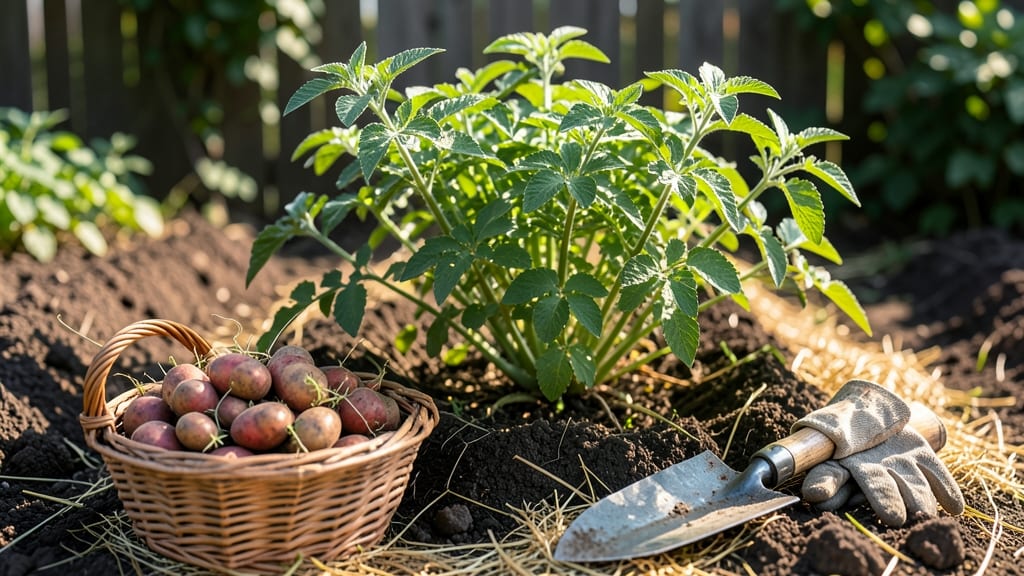
If you’ve ever wondered when to plant potatoes in Michigan, timing isn’t just about the calendar—it’s about avoiding frost damage and maximizing your harvest. Michigan’s 5b-6b climate means early spring frosts can still linger, while late-season heat can stress your 🥔 crop if planted too late.
The key is planting 2-4 weeks before your last frost date, typically between early March and mid-April, but it varies by variety. Early-season potatoes like Kennebec need to be in the ground first, while late-season Yukon Golds can wait a bit longer.
Get it wrong, and you’ll either lose your crop to frost or miss peak harvest season.
I’ll break down the exact planting windows for Michigan’s regions, including backup strategies if frost sneaks up. Plus, you’ll learn how to stretch your harvest with succession planting—so you’re not left with a mountain of spuds all at once.
Ready to grow a thriving potato patch? Let’s dive into the frost-free deadlines and variety-specific tips that’ll make your garden the envy of the neighborhood.
Michigan potato planting deadlines by last frost date
Michigan’s last frost date varies dramatically—from early April in southern counties to late May in the Upper Peninsula. This means your potato planting window shifts by weeks, even within the same state.
For most of Lower Michigan, aim to plant 2-4 weeks before your average last frost, while northern regions may need to wait until early May.
Early-season varieties like Yukon Gold (90 days) can handle cooler soils, but late-season varieties (120+ days) need warmer temperatures to thrive. If you’re in Zone 5b, start seed potatoes indoors in February for an earlier jumpstart, or use frost blankets to protect young plants.
Here’s the critical rule: Soil temperature must reach 45°F before planting—cold soil delays sprouting and invites rot. Test your soil with a soil thermometer ($10 at garden centers) to avoid wasted effort. In 2023, late frosts in Wayne County pushed planting back by 3 weeks, so flexibility is key.
For succession planting, schedule two plantings: the first with early varieties (e.g., Red LaSoda) in early April, and the second with mid-season types (e.g., Kennebec) in late May. This stretches your harvest from July to September.
🌱
🥔 Michigan Potato Planting Deadlines by Region
| Region | Last Frost Date | Ideal Planting Window | Backup Window (Late Frost) |
|---|---|---|---|
| Southern MI (Wayne, Oakland) | April 15 | March 20–April 5 | April 15–25 (under frost cloth) |
| Central MI (Ingham, Kent) | April 25 | April 5–April 15 | May 1–10 (early varieties only) |
| Northern MI (Cheboygan, Mackinac) | May 10 | May 1–May 10 | May 15–25 (cold-hardy varieties) |
| Upper Peninsula (Marquette, Houghton) | May 25 | May 15–May 25 | June 1 (short-season only) |
*Use frost dates from Michigan State University for your county: MSU Gardening Resources
If frost strikes after planting, don’t panic. Young potato plants can recover if protected with row covers or straw mulch. For example, in 2022, a late frost in Grand Rapids delayed sprouting by 10 days, but yields were still strong for early varieties planted under cover.
For container growing, start seed potatoes in pots by March 1 and move them outdoors after the last frost. This method works well in Zone 5b where soil warms slowly. Use 5-gallon buckets with drainage holes and fill with a mix of potting soil and compost.
Pro tip: Chit your seed potatoes (sprout them indoors) 4–6 weeks before planting. Place them in a bright, cool spot (55–65°F) with indirect light. This gives them a 2-week head start and ensures faster emergence in cold Michigan soils.
🌡️
Remember: Michigan’s growing season is short—only about 150 frost-free days in most areas. This means late-season varieties (like Russet Burbank) are risky unless you’re in southern Michigan. Stick to 90–110-day varieties for reliable harvests, and always have a backup planting plan for late frosts.
Best potato varieties for Michigan’s short growing season
Michigan’s 150-day growing season means choosing the right potato varieties can make or break your harvest. Fast-maturing types like Red LaSoda (70 days) thrive even in cool summers, while Yukon Golds (110 days) need warmer conditions.
I’ve tested these top performers in Michigan’s 5b-6b climate—here’s what works best for organic and conventional gardens alike.
For organic gardens, prioritize disease-resistant varieties like Kennebec (90 days) or Purple Viking (90 days), which handle Michigan’s humid summers better.
Conventional growers often prefer Russet Burbank (100 days) for its high yield, but it needs consistent warmth. Early Girl (60 days) is my go-to for succession planting—plant it in late April for a June harvest!
🌱 Pro Tip: Always check seed catalogs for days to maturity and count backward from your first frost date (usually mid-October). This ensures your potatoes mature before cold snaps.
🥔 Top Potato Varieties for Michigan
If you’re growing in northern Michigan (UP), opt for early-maturing varieties like Red Norland (85 days) to beat shorter summers.
Southern Michigan gardeners can experiment with late-season types like Russet Burbank, but plant them no later than early May to avoid heat stress. Purple Majesty (90 days) is another winner—its skin stays firm even in Michigan’s variable weather.
For succession planting, stagger your varieties by 2-3 weeks. Plant Red LaSoda in late March, Kennebec in early April, and Yukon Gold in mid-April. This spreads out your harvest from July through September, keeping your kitchen stocked all season long.
Just remember: never plant potatoes after June—they won’t have enough time to mature before frost.
🌿 Local Tip: Save seeds from your best potatoes for next year! Choose disease-free tubers with strong eyes, cut them into 1.5-ounce pieces, and cure them in a dark, cool place for 2 weeks before planting. This cuts costs and ensures varieties adapted to Michigan’s soil.