
Plants
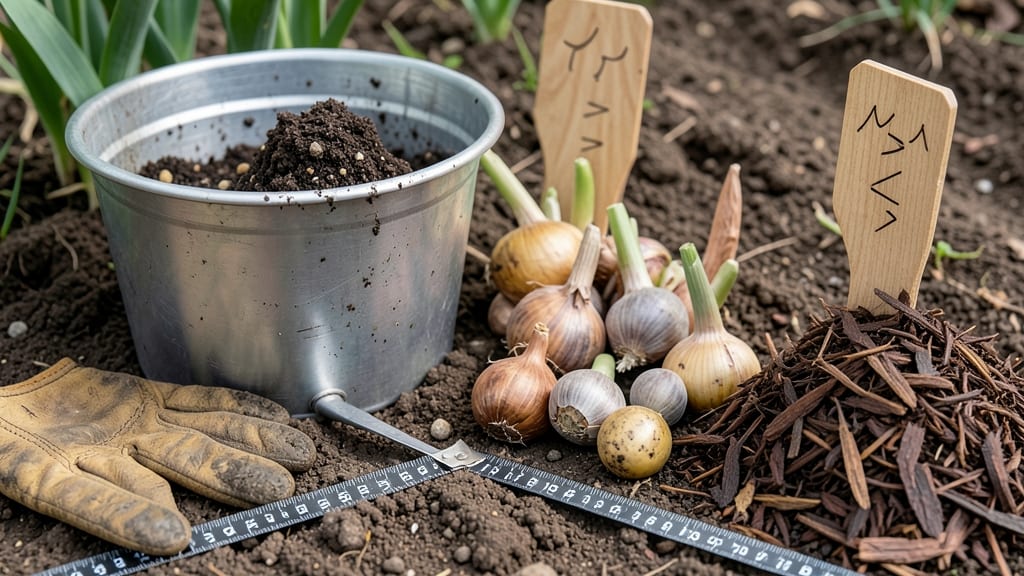
Knowing when to plant bulbs in the ground can make or break your garden's springtime success. In Zone 6a, where frost arrives early and lingers late, timing isn't just important—it's the difference between vibrant blooms and wasted effort.
Whether you're planting tulips for their cheerful faces or garlic for your kitchen, getting the schedule right ensures your 🌱 friends thrive.
Most gardeners assume spring is the only time to plant, but fall is actually the prime window for many varieties. By planting 6-8 weeks before your first frost (around mid-October in Zone 6a), bulbs establish roots before winter dormancy.
This head start means stronger growth and bigger blooms come spring. But don't worry—spring planting still works if you act quickly, just 4-6 weeks before your last frost (early April).
The key is understanding your bulbs' needs—some, like crocus, are tough enough to handle early planting, while others, like dahlias, demand warmer soil. We'll break down exactly which bulbs fit which schedule and how to adjust if your frost dates are unpredictable. No more guessing games or frozen disappointments.
Ready to transform your garden? I'll walk you through soil prep, planting depth, and post-planting care so your bulbs not only survive but thrive. Let's get those roots growing the right way—your future blooms will thank you.
USDA Zone planting deadlines for spring vs fall bulbs
Planting bulbs at the right time ensures they establish strong roots before winter or thrive through summer heat. For spring-flowering bulbs like tulips and daffodils, fall planting is key—typically 6-8 weeks before your first frost.
Meanwhile, fall-planted bulbs such as crocus and hyacinths need cooler soil temps to trigger blooming. Missing these windows risks weak growth or no flowers at all.
Your USDA zone dictates exact deadlines. For example, in Zone 5, plant tulips by mid-October, while in Zone 8, you might still plant until December.
Spring planting is a backup for forgotten fall plantings—aim for 4-6 weeks before your last frost date. But remember: spring-planted bulbs often bloom later or less vigorously.
Here’s the critical difference: Fall planting gives bulbs months to root before winter, while spring planting forces them to grow quickly in warmer soil. For tropical bulbs (like canna lilies), timing shifts entirely—plant after your last frost in Zones 9-11.
| Bulb Type | Planting Season | USDA Zones | Deadline | Notes |
|---|---|---|---|---|
| Tulips, Daffodils | Fall | 3-8 | 6-8 weeks before first frost | Best in cool climates; avoid soggy soil |
| Crocus, Hyacinths | Fall | 4-9 | 4-6 weeks before first frost | Tolerate colder temps; great for early spring color |
| Allium, Fritillaria | Fall | 5-10 | 6-8 weeks before first frost | Drought-tolerant; plant in well-draining soil |
| Canna Lilies, Dahlias | Spring | 9-11 | After last frost | Tropical; mulch heavily in winter |
| Spring-Planted Bulbs (Backup) | Early Spring | All | 4-6 weeks before last frost | Weaker blooms; use for late additions |
Pro tip: Use a soil thermometer to confirm 50-60°F soil temps for fall planting—this signals bulbs it’s time to root. In Zones 3-4, add a 4-inch layer of mulch after planting to insulate bulbs from harsh winters.
For Zone 10+, plant bulbs in winter (Dec-Feb) to mimic their natural dormancy cycle.
Missed the fall window? Don’t panic. You can still plant in early spring, but expect smaller blooms or later flowering. For daffodils, spring planting works surprisingly well—they’re tougher than tulips. Just water deeply after planting and fertilize lightly in spring to encourage growth.
One common mistake is planting too early in fall, which can cause bulbs to sprout and get fried by frost. Another is planting too late in spring, leaving bulbs vulnerable to summer heat stress.
Always check your local frost dates (use the National Weather Service or Old Farmer’s Almanac) for precise timing.
For woodland bulbs like trilliums or bloodroot, timing shifts to late summer or early fall—they need cooler temps to set buds. These shade-loving bulbs thrive in Zones 4-8 and often bloom before spring bulbs, adding early color to your garden.
Remember: Bulb size matters. Larger bulbs (like 12-inch daffodils) need deeper planting (8-10 inches deep), while tiny grape hyacinths only need 2-3 inches. Always plant with the pointy end up—this isn’t optional!
Finally, mark your calendar with local garden center deadlines. Many sell bulbs in late summer/early fall to meet planting windows. If you’re in Zone 7, aim for September-October
5 Critical factors that determine your planting window
Planting bulbs at the right time isn't just about checking a calendar—it's about understanding your local climate, soil conditions, and the specific needs of each bulb type.
Even experienced gardeners make mistakes by ignoring these five critical factors that can make or break your bulb success. Let's break them down so you can plant with confidence.
First, soil temperature is your most reliable guide. Most spring-flowering bulbs need the ground to be 40-50°F before planting. Use a soil thermometer to check—this is especially important in warmer zones where early planting can cause premature sprouting.
I always test my soil in late September to decide if it's safe for fall-planted bulbs like tulips.
Next, frost dates are non-negotiable. Bulbs need 6-8 weeks of cool soil before winter dormancy. In Zone 5, this means planting by mid-October, while in Zone 8, you might have until mid-November.
Check your local frost calendar—don't rely on averages if your area has unpredictable weather patterns.
Don't overlook bulb type—some varieties have unique timing needs. Spring-planted bulbs like caladiums need warm soil, while fall-planted bulbs like daffodils thrive in cold. Even within categories, tropical bulbs (like cannas) have entirely different windows. Always check the seed packet or bulb label for specific guidance.
Microclimates can shift your planting window by weeks. A south-facing slope warms up faster than a north-facing garden bed, while urban areas often stay warmer than rural spots. I once planted hyacinths in my sunny front yard two weeks earlier than my shady backyard, and they bloomed perfectly while the late ones struggled.
Finally, moisture levels play a hidden role. Bulbs planted in dry soil may not establish roots before winter, while waterlogged conditions can cause rot. Aim for well-draining soil that's consistently moist but never soggy. I always water my newly planted bulbs thoroughly after planting to help them settle in.