
Plants
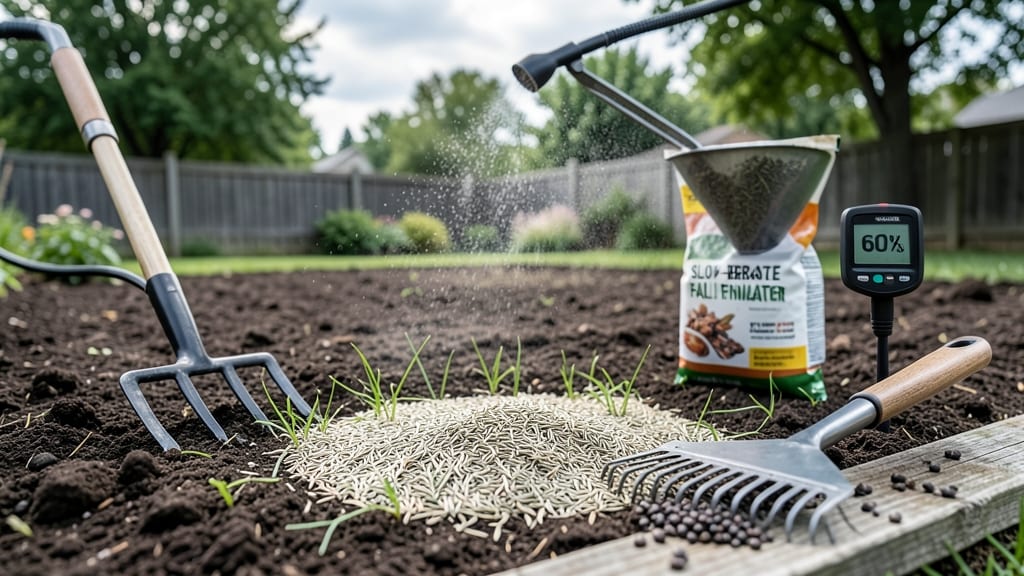
Planting grass seed in the fall is your golden ticket to a lush, vibrant lawn—but get the timing wrong, and you’ll end up with patchy results or wasted effort.
The ideal window is 4-6 weeks before your first frost, when soil temperatures hover between 50-65°F, giving seeds time to germinate before winter sets in.
For most of us in USDA Zone 6a (like the default general location), that means aiming for late August to early September. But here’s the catch: planting too early exposes young grass to summer heat stress, while waiting too late risks frost damage before roots establish.
The key is balancing warmth and time—soil that’s too hot or too cold can derail your entire project.
Don’t stress if your local weather throws a curveball. I’ll walk you through how to check soil temps, adjust for late fall delays, and even recognize the 5 signs you’ve planted too late—plus fixes to save your lawn.
Whether you’re a first-timer or a seasoned gardener, these insights will help you nail the perfect moment for your 🌱 Grass (Turfgrass) to thrive.
Ready to transform your yard? Let’s break down the exact deadlines, soil prep secrets, and care tips to ensure your grass seed germinates strong and stands up to winter—no guesswork required.
Fall grass seed planting deadlines by USDA hardiness Zone (with soil temp guidelines)
Planting grass seed in the fall gives your lawn a head start for spring—but timing is everything. The ideal window is 4-6 weeks before your first frost, when soil temperatures hover between 50°F and 65°F.
This ensures seeds germinate before winter dormancy sets in. In cooler zones (like 3-5), aim for early September; in warmer zones (7-10), late September to October works best.
Your USDA hardiness zone is the #1 factor in scheduling. Northern climates (Zones 3-5) have shorter growing seasons, so you’ll need to plant earlier to avoid frost kill.
Southern zones (7-10) can push planting later, but soil temperature—not just calendar dates—determines success. Always check local frost forecasts to avoid planting too late.
Soil temperature is more critical than air temperature. Grass seeds need warm soil (50°F+) to sprout but cool air (below 80°F) to prevent stress. Use a soil thermometer (or a DIY method like pressing your hand into the soil—if it feels warm but not hot, it’s ready).
Most seeds germinate in 7-21 days, so plan accordingly.
Here’s a zone-by-zone breakdown of your best planting windows, soil temp targets, and frost risk thresholds. Use this as your guide to avoid common mistakes like overwintering failures or spring patchiness.
If you’re in Zone 5 or 6, like much of the Midwest, late August to early September is your sweet spot. For example, in Chicago (Zone 5), planting by September 15 ensures seeds germinate before the average October 10 first frost.
Miss this window, and you risk seed dormancy or winter kill—where young roots freeze before establishing.
In warmer zones (7-10), like the Southeast or Southwest, you can plant much later. For instance, Miami (Zone 10) can seed grass through November, but soil temps must stay above 60°F. Always test your soil—if it’s below 50°F, wait.
Use a soil thermometer (or the back of your hand) to check: press your hand into the soil for 5 seconds. If it feels warm but not hot, it’s ready.
Pro tip: Mulch lightly (with straw, not wood chips) after planting to retain heat and reduce evaporation. This buys you 1-2 extra weeks in cooler zones. Just avoid thick mulch, which can smother seeds. Aim for a ¼-inch layer—enough to protect, not suffocate.
One common mistake? Planting too early (e.g., July in hot zones). Grass seeds struggle in soil above 70°F, leading to poor germination and weed competition. Stick to the 50-65°F soil temp rule, and you’ll maximize your lawn’s success rate.
For best results, pair planting with a light fertilizer (like a 10-0-10 blend) to give young roots a nutrient boost before winter.
Remember: Fall planting = spring reward. If you time it right, your grass will outcompete weeds, establish deep roots, and stay lush through summer. But if you wait too long, you’ll end up with thin, patchy coverage—or worse, no germination at all.
Use the table above as your zone-specific roadmap to avoid these pitfalls.
Fall grass seed planting deadlines by USDA hardiness Zone (with soil temp guidelines)
Planting grass seed in the fall gives your lawn a head start before winter, but timing is everything. The ideal window is 4-6 weeks before your first frost, when soil temperatures hover between 50-65°F.
This allows roots to establish before dormancy sets in. In USDA Zones 3-7, this typically means late August to mid-October, while Zones 8-10 can extend planting into November.
Cooler fall temperatures reduce water evaporation and weed competition, creating perfect conditions for germination. However, planting too late risks seed dormancy or winter kill if frost hits before roots take hold. Always check your local frost dates and adjust accordingly.
| USDA Zone | Planting Window | Soil Temp (°F) | First Frost Risk |
|---|---|---|---|
| Zones 3-4 | Mid-August to early September | 50-60°F | High (plant early) |
| Zones 5-6 | Late August to mid-October | 55-65°F | Moderate (4-6 weeks before frost) |
| Zones 7-8 | September to early November | 60-70°F | Low (extend window) |
| Zones 9-10 | October to December | 65-75°F | Minimal (plant late) |
For example, if you're in Zone 6, aim to plant by mid-October to ensure roots establish before winter. In Zone 9, you can push planting into November thanks to milder winters. Always verify your local microclimate—valleys and low-lying areas frost earlier than hillsides.
Pro tip: Use a soil thermometer to confirm temperatures. If soil is below 50°F, delay planting until conditions warm up. In cool-season grasses (like Kentucky bluegrass or fescue), this timing maximizes root growth before winter dormancy.
Missed the fall window? Don’t panic. Spring planting (March-April) is the next best option, though summer heat can stress young seedlings. Adjust your approach based on your zone and local weather patterns to avoid common mistakes.
🌱