
Plants
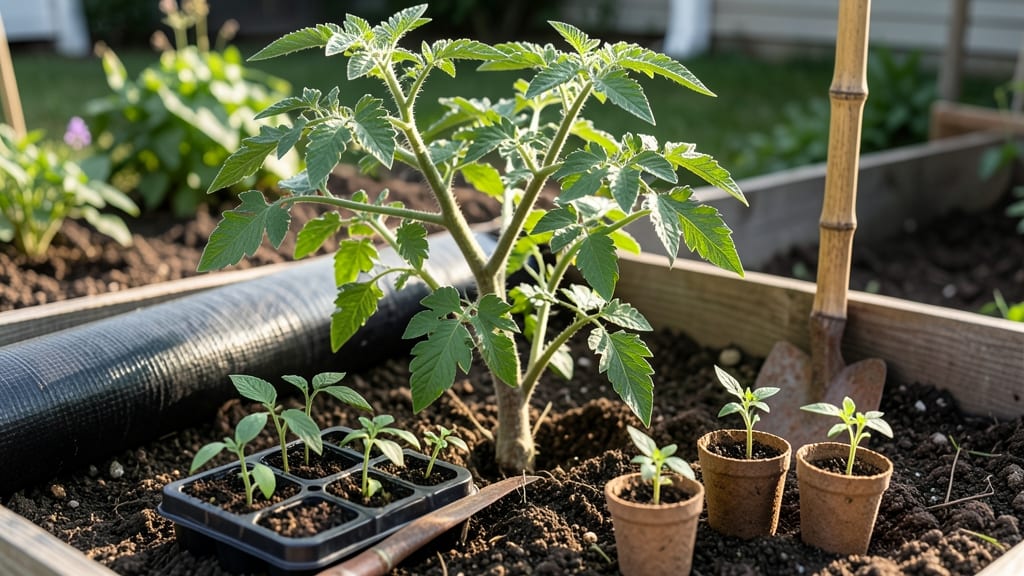
Planting tomatoes in Missouri isn't just about grabbing seeds and tossing them into the dirt—it's about timing your moves like a pro gardener to avoid frost damage or wasted effort.
With USDA zones 5b-6b and unpredictable spring weather, knowing exactly when to plant your 🍅 can mean the difference between a bountiful harvest and a sad, shriveled vine.
Most Missouri gardeners wait until after the last frost date—typically around April 15—but there's more to it than just checking a calendar.
Soil temperature matters just as much as air temperature, and planting too early in cold soil can stunt your tomato's growth or even kill it before it starts. Let me show you how to read the signs and get your plants in the ground at the perfect moment.
You'll also discover whether starting seeds indoors or direct-sowing is better for your region, plus how to stretch your growing season with simple tricks like row covers.
By the end, you'll have a clear plan to plant your tomatoes at the ideal time—so you can enjoy fresh, vine-ripened fruit from June all the way through October.
Ready to grow tomatoes like a Missouri master? Let's dive into the exact planting windows, soil prep tips, and variety recommendations that will set you up for success this season.
Missouri’s last frost dates by region: critical planting windows for tomatoes
Missouri’s diverse climate means last frost dates vary dramatically across regions—from early late March in the Bootheel to mid-May in the Ozarks. These dates dictate when to plant tomatoes, whether you’re growing cherry tomatoes in St. Louis or heirloom varieties in Kansas City.
Missing the window by even a week can mean frost damage or stunted growth, so knowing your USDA Zone 5b-6b specifics is key.
For most Missouri gardeners, the ideal planting window falls between April 15 and May 15, but this shifts based on your location. Southern Missouri’s warmer microclimates allow earlier starts, while northern areas like Columbia or Springfield often need to wait until after May 1.
Always check your local Missouri Botanical Garden or University of Missouri Extension for real-time updates, as frost patterns can shift yearly.
Here’s how to align your tomato planting schedule with Missouri’s five key regions, including soil temperature requirements and transplanting strategies to maximize your harvest:
| Region | Last Frost Date | Planting Window | Soil Temp Requirement | Transplant Strategy |
|---|---|---|---|---|
| Southeast (e.g., Cape Girardeau) | Late March | March 20 – April 15 | 60°F+ | Start indoors Feb 15; transplant after April 1 |
| St. Louis Area | Mid-April | April 15 – May 1 | 60°F+ | Start indoors March 1; transplant after April 15 |
| Kansas City/Columbia | Early-Mid April | April 20 – May 10 | 60°F+ | Start indoors March 15; transplant after May 1 |
| Springfield/Ozarks | Mid-April | April 25 – May 15 | 65°F+ (cooler soil) | Start indoors March 1; transplant after May 10 |
| Northwest (e.g., Kirksville) | Late April | May 1 – May 20 | 65°F+ | Start indoors March 15; transplant after May 15 |
Notice how soil temperature is just as critical as air temperature? Tomatoes won’t thrive in cool soil below 60°F, even if daytime temps are warm. Use a soil thermometer to confirm—planting too early in chilly soil delays growth and invites disease.
My trick? Lay down black plastic mulch a week before transplanting to warm the soil faster.
For early varieties like 'Stupice', you can push the envelope by using row covers to protect seedlings from late frosts. These lightweight fabrics raise soil temps by 5-8°F and let you plant 2-3 weeks earlier than the official frost date.
Just remove covers once flowers appear to prevent heat stress.
Missouri’s first frost typically arrives around October 15, but don’t let that limit your harvest. Succession planting—sowing new seeds every 2 weeks from May through July—ensures a continuous supply of ripe tomatoes until frost.
Choose fast-maturing varieties (60-70 days) for these late plantings, like 'Early Girl' or 'Patio Princess'.
One common mistake? Planting tomatoes too late and ending up with a harvest during Missouri’s brutal August heat. When temps hit 90°F+, tomatoes develop sunscald or blossom-end rot.
To avoid this, opt for heat-tolerant varieties like 'Solar Fire' or 'Heatmaster' and provide afternoon shade with shade cloth during peak heat.
Pro tip: Missouri’s University Extension offers free frost date maps and planting calendars tailored to your ZIP code. Bookmark their garden guides—they’re updated annually with local data.
For example, in 2023, St. Louis saw its last frost on April 22, a week later than average, so flexibility is key.
🌱
Best tomato varieties for Missouri’s short vs. long seasons: heat-tolerant picks for reliable harvests
Choosing the right tomato varieties for Missouri’s unpredictable climate can make or break your harvest. With short growing seasons in northern regions and scorching summers in the south, you need varieties that thrive under pressure.
Determinate tomatoes (bush types) are ideal for early harvests and cooler areas, while indeterminate vining types excel in longer seasons and hotter zones.
For northern Missouri (USDA zones 5b-6a), prioritize early-maturing varieties that can handle cooler springs. In southern Missouri (zones 6b-7a), heat-tolerant and disease-resistant types will outperform standard varieties. Let’s break down the best options for your region, including planting schedules tailored to Missouri’s climate quirks.
| Variety | Type | Days to Maturity | Best for Region | Planting Time |
|---|---|---|---|---|
| Stupice | Determinate | 50-60 days | Northern MO (cool springs) | April 15-May 1 |
| Solar Fire | Indeterminate | 70-75 days | Southern MO (heat tolerance) | April 20-May 10 |
| Better Boy | td style="padding: 10px; border-bottom: 1px solid #ddd;">Indeterminate75-80 days | Central MO (versatile) | April 25-May 15 | |
| Mountain Merit | Determinate | 65-70 days | All regions (disease-resistant) | April 10-May 5 |
| Celebrity | Determinate | 65-70 days | Northern MO (reliable) | April 15-May 1 |
If you’re in northern Missouri, Stupice and Mountain Merit are my top picks—they mature quickly and handle cooler temperatures better than most. For southern Missouri, Solar Fire and Better Boy thrive in the heat and produce larger fruits later in the season.
Pro tip: Indeterminate varieties like Solar Fire need stakes or cages to support their vines, while determinate types like Stupice stay compact and bushy.
For extended harvests, consider planting a mix of early and late varieties. For example, sow Stupice in early April for a June harvest, then follow up with Better Boy in mid-May for a fall bounty. This succession planting strategy ensures you’re never without fresh tomatoes all season long.
Don’t overlook disease resistance—Missouri’s humid summers invite fungal issues like blight. Varieties labeled VFN (virus, fusarium, nematode-resistant) or VF (virus, fusarium-resistant) are worth the extra cost. My go-to for disease-prone areas? Mountain Merit or Defiant PhR, both of which handle Missouri’s moisture like champions.
Ready to pick your perfect tomato lineup? Grab seeds or transplants from local nurseries or trusted online sources, then mark your calendar for the ideal planting dates based on your region.
With the right varieties and timing, you’ll be feasting on homegrown tomatoes from June through October—no grocery store competition needed!