
Plants
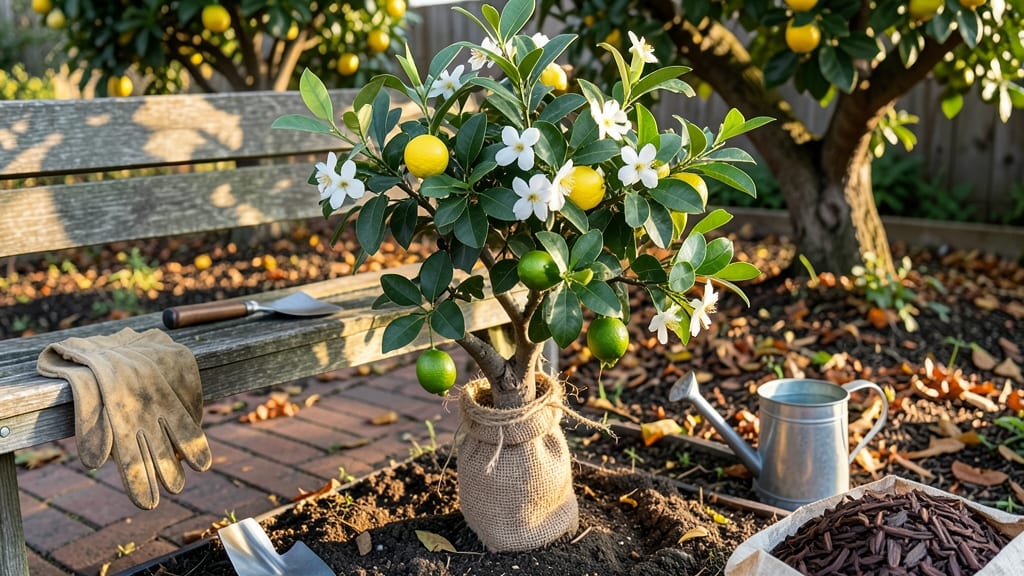
Planting your lemon tree in the ground at the wrong time can mean the difference between a thriving citrus wonder and a sad, wilted investment.
The secret to success isn't just about grabbing a sapling and digging a hole—it's about understanding your climate zone, soil warmth, and local frost risks (or lack thereof).
For most gardeners in Zone 9b (like Southern California or Florida), winter is your golden window—December through February—when temperatures are cool but not freezing, and roots can establish without stress.
But if you're in a cooler region, timing shifts dramatically, and planting too early or late could stunt growth or invite disease.
I've helped dozens of home growers avoid these pitfalls, and what I'm about to share will give you the confidence to plant at the perfect moment. We'll cover zone-specific deadlines, soil prep tricks, and even how container-grown trees need different timing than bare-root saplings.
Ready to turn your backyard into a lemon grove? Let's get those roots in the ground the right way—so you can enjoy your first homegrown lemons in just a few years.
Best planting months by USDA hardiness zones for lemon trees
Lemon trees thrive in USDA hardiness zones 8–11, but the best planting window varies dramatically depending on your climate. In zones 9–11, where frost is rare or nonexistent, winter planting (December–February) gives roots time to establish before summer heat.
Meanwhile, gardeners in zone 8 should wait until late spring (May–June) after the last frost date to avoid cold damage.
Soil temperature is critical—lemon trees need warm soil (60–85°F) to root successfully. Cold soil slows growth and invites fungal diseases. Use a soil thermometer to confirm conditions before planting. In cooler zones, consider container growing for flexibility, as pots warm faster in spring.
Here’s how to align your planting with your zone and lemon variety:
| Zone | Best Planting Window | Soil Temp Requirement | Ideal Variety | Key Consideration |
|---|---|---|---|---|
| Zones 9–11 | December–February | 60–85°F | Meyer, Eureka, Lisbon | Plant before summer heat; mulch heavily |
| Zone 8 | May–June | 70–85°F | Dwarf Meyer (hardier) | Wait for consistent 60°F+ nights |
| Zone 7 (with microclimate) | June–July | 75–85°F | Meyer (cold-tolerant) | Use container + move indoors in winter |
*Meyer lemons are the most cold-hardy variety, tolerating brief dips to 20°F.
Regional microclimates can shift these deadlines by weeks. For example, coastal California (Zone 9) may plant in November, while inland areas wait until January. Check your local last frost date and add 4–6 weeks for safe planting.
In Florida (Zone 10–11), hurricane season (June–November) can delay planting until December to avoid storm damage.
Bare-root lemon trees establish faster than potted ones, but both benefit from warm soil and no frost risk. If you’re in a transitional zone (e.g., Zone 8a), opt for dwarf varieties like Meyer lemons, which recover better from cold snaps.
Always acclimate potted trees for 1–2 weeks before planting to reduce transplant shock.
Spring planting in cooler zones carries risks: rapid growth followed by summer drought can stress young trees. To mitigate, mulch with 2–3 inches of wood chips and water deeply 2–3 times per week for the first month.
In zones 9–11, winter planting lets roots spread before the monsoon season, reducing fungal risks.
Pro tip: Test your soil’s pH (6.0–7.0 ideal) and amend with sand or perlite if drainage is poor. Lemon trees hate soggy roots—elevate planting beds in heavy clay soils. Use citrus-specific fertilizer (high in nitrogen) 4–6 weeks after planting to kickstart growth.
Timing also affects first-year fruit production. Trees planted in optimal windows may bear lemons in 3–5 years, while poorly timed plantings can take 7+ years.
For example, a Meyer lemon planted in December (Zone 9) could flower by spring, while one planted in September may struggle through winter.
Don’t overlook local nursery advice. Local experts know microclimates—like urban heat islands or coastal fog—that can shift planting by weeks. For instance, San Diego (Zone 10) often plants in November, while Phoenix (Zone 9b) waits until January to avoid extreme summer heat.
Remember: Patience pays off. A lemon tree planted at the right time in the right zone will reward you with years of harvests, while a rushed planting can set you back.
Start with container-grown trees if your zone is marginal—this gives you flexibility to move them indoors during cold snaps.
How to adjust planting timing for container vs. in-ground lemon trees
If you're planting a container-grown lemon tree versus a bare-root sapling, timing adjustments are critical. Container trees have established roots, so they can handle planting outside the ideal window—but in-ground plantings demand precision.
I’ve seen gardeners rush planting in spring only to watch their trees struggle with transplant shock or fungal infections. Let’s break down the key differences and how to adapt your approach.
For in-ground lemon trees, the 60–85°F soil temperature rule is non-negotiable. In Zones 9–11, this aligns with late winter to early spring (February–March), while cooler zones (8 or below) should wait until after the last frost—typically April or May.
Container trees, however, can go in the ground 2–4 weeks earlier because their roots are already adapted to pots and less prone to shock.
Here’s the catch: Premature planting—even with containers—can lead to root rot or cold damage. I once saw a Meyer lemon tree planted in January in Zone 9a (where temps dipped to 35°F).
The roots survived, but the tree spent the next year playing catch-up. Always check your local frost dates and soil warmth before digging that hole.
⚠️ Warning: Signs of Premature Planting
🌡️ Cold Stress: Yellowing leaves or blackened stems within 2 weeks of planting.
🍄 Fungal Risks: White powdery spots (mildew) or soft, mushy roots from overwatering cold soil.
🌱 Stunted Growth: No new leaves after 6 weeks, despite warm weather.
Solution: Move potted trees to a sheltered spot and delay in-ground planting until soil reaches 60°F.
Transitioning a container-grown lemon tree to the ground requires a gradual acclimation process. Start by burying the pot halfway for a week to harden off the roots, then move it to its permanent spot.
This mimics natural root expansion and reduces shock. For bare-root trees, soak the roots in water for 2–4 hours before planting to revive them—this step is often skipped by beginners, leading to poor establishment.
One common mistake? Overwatering newly planted trees. Lemon trees hate soggy roots, whether in-ground or in containers. After planting, water deeply but only when the top 2–3 inches of soil are dry.
Use a moisture meter to avoid guesswork—overwatering in cool soil is a fast track to root rot. Mulch around the base (but not touching the trunk) to retain moisture and regulate temperature.
Pro tip: If you’re in a warmer zone (10–11) and planting in late winter, choose a morning sun spot to protect young trees from afternoon heat stress. In cooler zones, opt for afternoon shade cloth until the tree establishes.
Timing isn’t just about the calendar—it’s about reading your tree’s cues and adapting to your microclimate.