
Plants
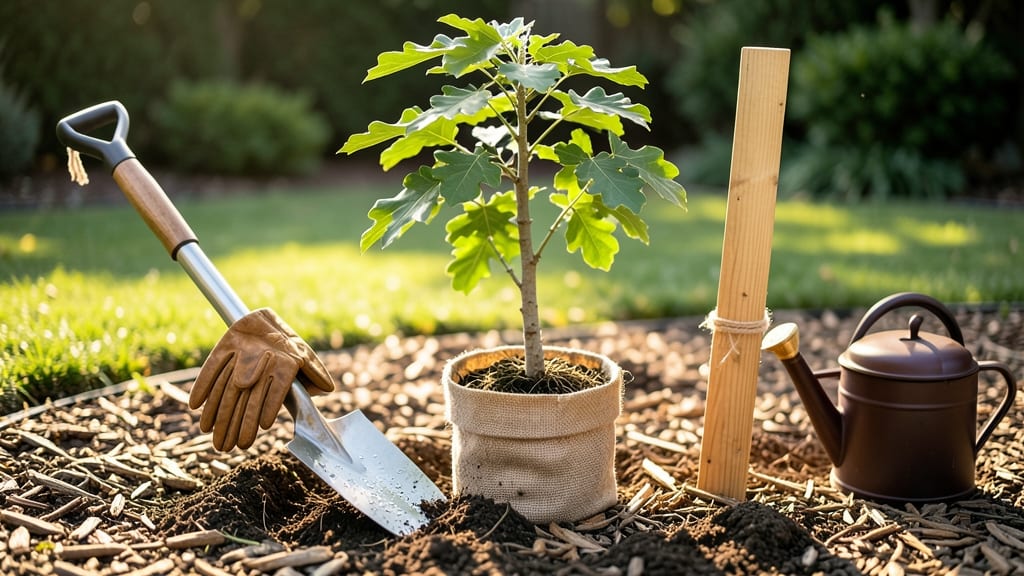
Planting a tree in Texas at the wrong time can turn your $500 investment into a sad, struggling sapling—or worse, a dead loss. With 100°F summers and unpredictable frost, timing isn’t just important; it’s the difference between a thriving 🌳 and a failed project.
Most Texas gardeners assume "spring" means go—but that’s where they go wrong. The best months actually depend on your region, whether you’re in North Texas (6a-7b) or South Texas (9a-10a).
Plant too early, and frost zaps young roots. Too late, and summer’s brutal heat stresses them out before they even take hold.
Here’s the secret: Fall (October-November) and early spring (February-March) are your golden windows. These months give roots time to establish before extreme weather hits. I’ll break down exactly when to plant in your specific zone—and how to avoid the 3 biggest mistakes that kill Texas trees before they grow.
Ready to get it right? Let’s dig into the region-by-region planting calendar that’ll have your tree standing tall for decades—not wilting by summer’s end.
Texas tree planting calendar: best months by region for optimal growth
Texas' diverse climate—from North Texas' chilly winters to South Texas' subtropical heat—means one planting window doesn't fit all. The golden rule is to plant when soil temperatures stay above 50°F but before summer's brutal heat hits.
For most Texas regions, that's fall (October-November) or early spring (February-March), but let's break it down by region to avoid common mistakes.
In North Texas (USDA Zones 7b-8a), where frost can linger until mid-February, your best bet is late February through March for spring planting.
Fall planting works too, but avoid November if early frosts are forecasted. Central Texas (Zones 8a-8b) enjoys a longer window—October through early December or February through March—thanks to milder winters.
Meanwhile, South Texas (Zones 9a-10a) can plant year-round, but September-October or February-March are ideal to escape summer's oppressive heat.
East Texas (Zones 7b-8b) blends elements of both North and Central regions. Here, October-November or February-March work best, but avoid planting after April when heat and drought stress young trees. West Texas (Zones 7b-9a), with its arid climate and extreme temperature swings, favors November-December or February—never summer!
🌱 Pro Tip: Check your local AgriLife Extension office for hyper-local frost dates, as microclimates (like urban heat islands) can shift ideal planting by weeks.
Why does this matter? Fall-planted trees establish 60-70% of their root system before winter dormancy, giving them a head start. Spring planting lets trees grow through the coolest months, avoiding summer stress. Evergreens like Live Oaks can handle fall planting better than deciduous trees like Pecans, which need spring's warmth to leaf out.
For bare-root trees, plant in winter (December-February) while dormant—just avoid frozen ground. Balled-and-burlapped (B&B) trees can handle fall or early spring, but never plant during a drought or when temperatures exceed 90°F. Even Texas' toughest trees—like Mesquite or Cedar—struggle without proper timing.
🌳 Regional Exception: In South Texas, Hurricane Alley means avoid planting in late summer (June-August) when storms can uproot young trees. Instead, opt for September or February to minimize risk.
If you're in urban areas (like Dallas or Houston), microclimates can shift ideal times by weeks. Parking lots and pavement create "heat islands," so plant 2-4 weeks earlier than rural areas to escape summer heat. Always check soil
Critical factors that determine your tree planting timeline in Texas
Texas’ diverse climate zones mean your tree’s planting window depends on more than just the calendar. Soil temperature is the #1 factor—roots need 60°F+ soil to establish, and Texas’ variable frost dates throw a wrench into timing.
For example, North Texas’ last frost can hit February 15, while South Texas stays frost-free until December 15.
Then there’s rainfall. Planting during Texas’ dry spells (summer) stresses young trees, but heavy rains (fall) can drown roots if drainage is poor. Even tree species matter: Oaks and pecans thrive when planted in fall, while fruit trees like peaches prefer early spring to avoid fungal diseases.
Don’t forget urban vs. rural microclimates. City sidewalks and pavement create heat islands, delaying soil warming by weeks. Meanwhile, rural areas with looser soil warm faster—so adjust your timeline accordingly. Container-grown trees also handle heat better than bare-root, giving you a slightly wider window.
🌱
| Factor | North Texas (6a-7b) | Central Texas (8a-8b) | South Texas (9a-10a) |
|---|---|---|---|
| Soil Temp for Planting | 60°F+ (March-April) | 60°F+ (February-March) | 60°F+ (January-February) |
| Last Frost Date | February 15 | January 15 | December 15 |
| Best Rainfall Window | Fall (Oct-Nov) | Fall (Sept-Oct) | Spring (Feb-Mar) |
| Urban Adjustment | Delay 2-3 weeks (heat islands) | Delay 1-2 weeks | Minimal delay |
| Ideal Tree Species | Oak, Pecan, Redbud | Live Oak, Cedar Elm | Bald Cypress, Mesquite |
Soil pH and texture also play a role. Clay-heavy soils in East Texas drain poorly, so plant in fall when rains are less intense.
Meanwhile, sandy soils in West Texas dry out fast—opt for early spring to give roots time to anchor before summer. Test your soil 2-3 weeks before planting to confirm it’s ready.
Pro tip: Use a soil thermometer ($10 at garden centers) to check depth. Roots need 60°F+ at 6 inches deep—shallow checks won’t cut it. If temps are too cold, wait or use mulch blankets to warm the soil faster.
Finally, tree size matters. Large balled-and-burlapped trees handle summer planting better than small saplings because their root balls stay moist longer. But even then, avoid June-August—those months kill 60% of newly planted trees in Texas due to heat stress.
☀️