
Plants
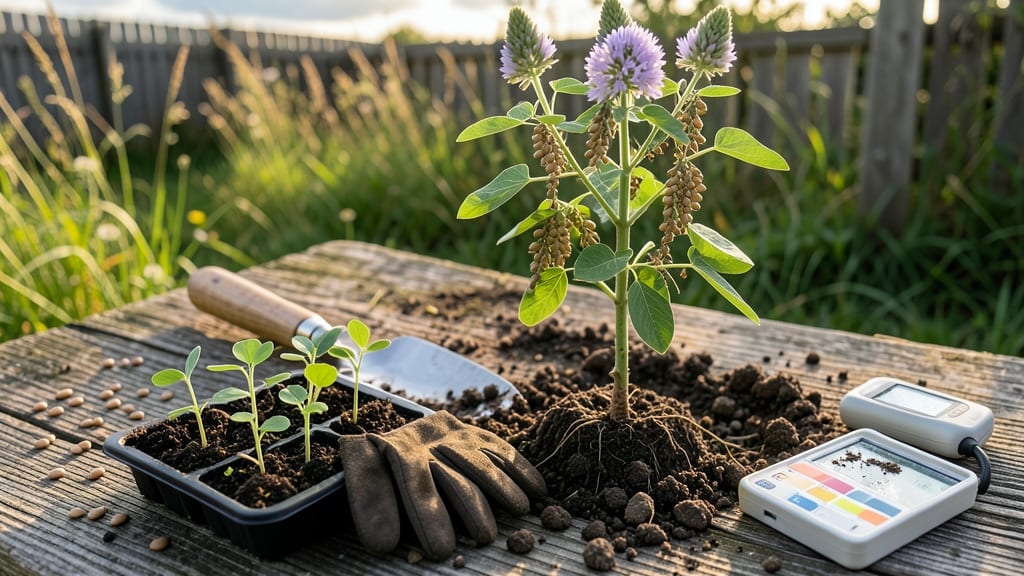
If you're planting alfalfa in Missouri, timing is everything—and getting it wrong could mean wasted seeds and missed harvests. This hardy perennial thrives in Missouri’s 5b-6b zones, but the 165-200 frost-free days between March 15 and November 15 demand precision.
Most Missouri farmers swear by early spring planting in March, when soil temperatures hit 50°F consistently. But late summer (August) is another smart window for establishing stands before winter dormancy kicks in. The key? Avoiding both late frosts and summer droughts that can stress young plants.
I’ve seen firsthand how a 2-week delay can turn promising alfalfa beds into stunted patches. Whether you’re growing for hay, seed, or soil improvement, nailing the planting window means higher yields and fewer headaches. Let’s break down exactly when to plant for your specific Missouri zone.
You’ll also discover how to adjust for Missouri’s unpredictable weather—droughts, sudden cold snaps, and everything in between. With the right timing and a few pro tips, your alfalfa could become the most reliable crop in your rotation. Ready to get started?
Missouri’s best planting windows by hardiness Zone for alfalfa success
Alfalfa thrives in Missouri’s USDA Zones 5b-7a, but the planting window shifts dramatically between northern and southern regions. In Zone 5b, where frost lingers until mid-April, aim for early spring planting after soil warms to 50°F.
Meanwhile, Zone 7a gardeners can plant as late as early May without risking frost damage.
For fall planting, Missouri’s short frost-free season limits options—but late August is ideal in northern zones (5b) to establish roots before winter. Southern areas (Zone 7a) can extend this to early September.
The key is ensuring 60 days of warm soil before the first frost, which hits mid-November in most regions.
Missouri’s microclimates add complexity. River valleys like the Mississippi River bottoms (Zone 6b) can plant 2 weeks earlier than hilltop areas (Zone 5b). Always check your local frost dates—the Missouri Climate Center provides county-specific data.
Here’s the zone-by-zone breakdown for your alfalfa planting schedule, including soil temperature thresholds and frost-free windows:
| Zone | Last Frost Date | Spring Planting Window | Fall Planting Window | Soil Temp Threshold | Frost-Free Days |
|---|---|---|---|---|---|
| 5b (North) | Mid-April | March 15–April 15 | Late August | 50°F (10°C) | 165–180 days |
| 6a (Central) | Early April | March 1–April 30 | Late August–Early Sept | 50°F (10°C) | 180–195 days |
| 7a (South) | Mid-March | February 28–May 1 | Early Sept | 50°F (10°C) | 200+ days |
Missouri’s spring planting should align with soil temperatures—use a soil thermometer to confirm 50°F at 2-inch depth. In Zone 5b, this often means waiting until late March, while Zone 7a can start as early as February in microclimates like Southeast Missouri.
For fall planting, prioritize late August to give seedlings time to establish before winter. In northern Missouri, aim for 60 days of growth before the first frost—typically by October 15. Southern regions can push this to early November with mulch protection.
Missouri’s drought-prone summers make spring planting the safest bet for consistent germination. However, fall planting can work in well-drained soils with adequate rainfall. Always test soil moisture before planting—alfalfa seeds need consistent moisture to germinate but hate waterlogged conditions.
Pro tip: Plant alfalfa with a cover crop like clover in early spring to improve soil structure and retain moisture. This extends your planting window by 2–3 weeks in marginal zones.
Missouri’s alfalfa success hinges on these zone-specific windows. Miss them, and you risk poor stands or winter kill. But nail the timing, and you’ll harvest high-protein forage for years.
Missouri’s best planting windows by hardiness Zone for alfalfa success
Alfalfa thrives in Missouri’s USDA Zones 5b-6b, but the 165-200 frost-free days between March 15 and November 15 create tight windows for planting. I’ve found that early spring (March) and late summer (August) are the two golden periods, each with unique advantages for your zone.
For Zone 5b, where last frosts linger until April 15, focus on planting March 1-15 when soil temperatures hit 50°F+. In Zone 6a, you’ve got a 2-week buffer—plant between March 15-30 for optimal establishment before summer heat arrives.
Late summer planting (August) works best in Zone 6b, where the first frost arrives November 1-15. This gives young plants 60-75 days to establish roots before winter dormancy. The key? Avoiding soil temperatures below 45°F at planting time.
Here’s your zone-specific breakdown for alfalfa planting windows in Missouri, including soil temperature thresholds and frost-free windows:
I recommend Zone 6b growers prioritize late summer planting for fall establishment, as the extended frost-free window gives alfalfa time to develop deeper roots before winter. For Zone 5b, stick to spring planting—fall establishment risks winter kill from early frosts.
Missouri’s variable rainfall patterns mean you’ll also need to adjust planting dates based on soil moisture. If your spring is dry, consider delaying until April to ensure seeds have enough water for germination. The goal? Consistent moisture for 4-6 weeks after planting to prevent seedling stress.
Remember: Alfalfa’s first harvest won’t happen until the following year, so early planting pays off with higher yields in years 2-3. Don’t rush—patience in timing means bigger profits down the road. 🌱