
Planting
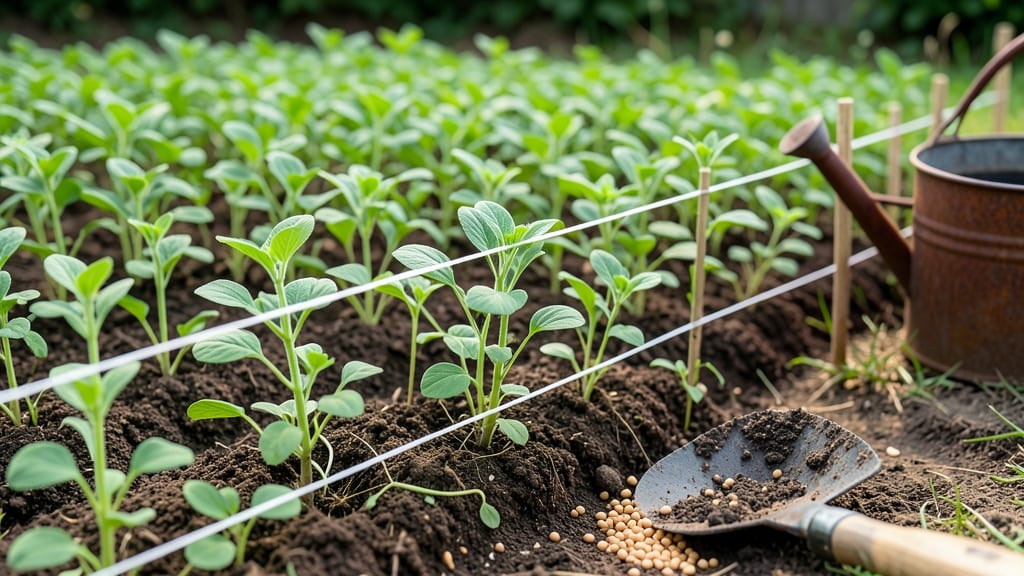
Timing your alfalfa planting just right in spring could mean the difference between a lush, productive crop and seeds that never sprout. The 4-6 week window before your last frost date isn't just a suggestion—it's the sweet spot where soil temperatures and daylight align perfectly for alfalfa 🌱 to thrive.
Most gardeners overlook how critical soil warmth is for germination, and planting too early can leave seeds vulnerable to frost damage. But getting the timing right isn't just about dates—it's about understanding your local climate and preparing your soil properly.
I'll show you exactly how to read your soil's temperature cues and adjust your planting schedule for success.
Whether you're working in USDA Zone 6a or another region, the principles remain the same: warm soil, proper moisture, and the right light conditions. Let's break down the key factors that will help your alfalfa establish strong roots and grow into a healthy, nitrogen-rich forage crop.
You'll discover practical tips for testing soil temperature without fancy tools, how to time your planting with moon phases for better germination, and what to watch for in your local forecast. By the end, you'll have a clear plan to plant your alfalfa at the perfect moment—no guesswork required.
Optimal soil temperature ranges for planting alfalfa in spring
Alfalfa thrives when planted in soil temperatures between 45°F and 55°F, the sweet spot for consistent germination. Too cold, and seeds may rot; too warm, and they’ll dry out before sprouting.
I’ve learned this the hard way—planting too early in chilly March meant waiting weeks for sprouts, while late-April planting in my Zone 6 garden led to leggy, weak seedlings.
Your local climate dictates the exact timing. In northern regions (Zones 3–5), aim for late April to early May when soil warms post-frost. Southern gardeners (Zones 7–10) can start as early as February, but monitor forecasts for unexpected cold snaps.
I always check my soil thermometer—it’s the only way to avoid guesswork.
Here’s how to test soil temperature without fancy tools: Stick a thermometer 2 inches deep into moist soil on a shady day (sun heats soil unevenly). If it reads below 45°F, wait. My DIY trick? Bury a thermometer in a coffee can filled with soil—it mimics planting conditions perfectly.
Avoid planting when nighttime temps dip below 40°F. Alfalfa seeds need warmth to germinate, but young seedlings can’t handle frost.
I once planted in early April and lost half my crop to a surprise freeze. Pro tip: Use a row cover if you must plant earlier, but remove it once sprouts appear.
Soil type also matters. Clay soils warm slower than sandy ones, so adjust your timeline by 1–2 weeks later. Amend heavy soil with compost or sand to improve drainage and warmth retention. My sandy loam reaches ideal temps 2 weeks earlier than my neighbor’s clay-heavy plot.
| Condition | Specification |
|---|---|
| Soil Temp for Planting | 45°F–55°F (7°C–13°C) |
| Germination Time | 7–14 days (warmer = faster) |
| Avoid Planting Below | 40°F (4°C) nighttime temps |
| Clay Soil Adjustment | Wait 1–2 weeks longer |
| Sandy Soil Advantage | Plants 2 weeks earlier |
If you’re planting in containers or raised beds, soil warms faster than in-ground plots. Fill containers with a 50/50 mix of potting soil and compost to retain heat. I’ve had success starting alfalfa in black plastic pots—they absorb sunlight and raise soil temps by 5–10°F.
Watch for soil crusting after planting, which blocks oxygen and stunts germination. Lightly rake the surface or use a sprinkle of perlite to keep it loose. My biggest mistake?
Forgetting to mulch after planting—dry winds turned my seedbed into a dust bowl. Now, I always add straw mulch to lock in moisture and warmth.
Remember: Alfalfa’s deep roots need time to establish before summer heat arrives. Planting at the right soil temp ensures your crop outpaces weeds and drought. My Zone 6 garden’s best results came from late April plantings—just as soil hit 50°F and stayed there.
For a second planting, try late summer (early August) when soil cools slightly. This gives seedlings time to root before winter. Just mark your calendar for 6–8 weeks before first frost—that’s your cutoff. 🌱
Optimal soil temperature ranges for planting alfalfa in spring
Alfalfa seeds need consistent warmth to germinate, and planting too early in cold soil can leave them vulnerable to rot. The ideal soil temperature range for alfalfa germination is between 45°F and 55°F, where seeds activate their enzymes and begin sprouting within 7–14 days.
Below 40°F, germination slows dramatically, and above 60°F, seeds may dry out before sprouting.
Most gardeners rely on air temperature rather than soil temperature, but this is a common mistake. Soil warms 3–5 days slower than air, especially in clay-heavy soils. For example, if your morning air temperature hits 50°F, your soil might still be 40°F—too cold for alfalfa seeds.
Always test soil temperature before planting to avoid disappointment.
Here’s how to check your soil temperature without a fancy thermometer: Press your finger 2–3 inches deep into the soil. If it feels cooler than your wrist, it’s likely below 50°F.
For a more precise method, bury a thermometer in the soil for 30 minutes before checking. This simple step can save you from planting too early and risking seed loss.
🌱 Alfalfa Soil Temperature Guide
| Soil Temp Range | Germination Speed | Risk Level |
|---|---|---|
| Below 40°F | Very Slow (3+ weeks) | High (rot risk) |
| 40°F–45°F | Slow (2–3 weeks) | Moderate |
| 45°F–55°F | Fast (7–14 days) | Low (ideal) |
| 55°F–65°F | Moderate (10–14 days) | Low (if moist) |
| Above 65°F | Fast (5–7 days) | High (drying risk) |
Regional climate plays a huge role in soil warming. In northern states (Zones 3–5), soil may not reach 45°F until late April or May, while southern states (Zones 7–10) can plant as early as February.
Use your last frost date as a starting point, then subtract 4–6 weeks to estimate when soil will warm enough. For example, if your last frost is April 15, aim to plant by early March.
One trick to speed up soil warming is using black plastic mulch or straw bales a few weeks before planting. These materials absorb sunlight and raise soil temperatures by 5–10°F, creating a microclimate perfect for alfalfa.
Just remove the mulch once seeds are planted to avoid overheating. This method is especially useful in cool, short springs where timing is critical.
Finally, avoid planting alfalfa if a hard frost is forecasted within 7–10 days of germination. Young seedlings are delicate and can’t recover from frost damage. Always check your local weather forecast and have a backup plan—like a row cover—ready to protect your crop if temperatures drop unexpectedly.