
Plants
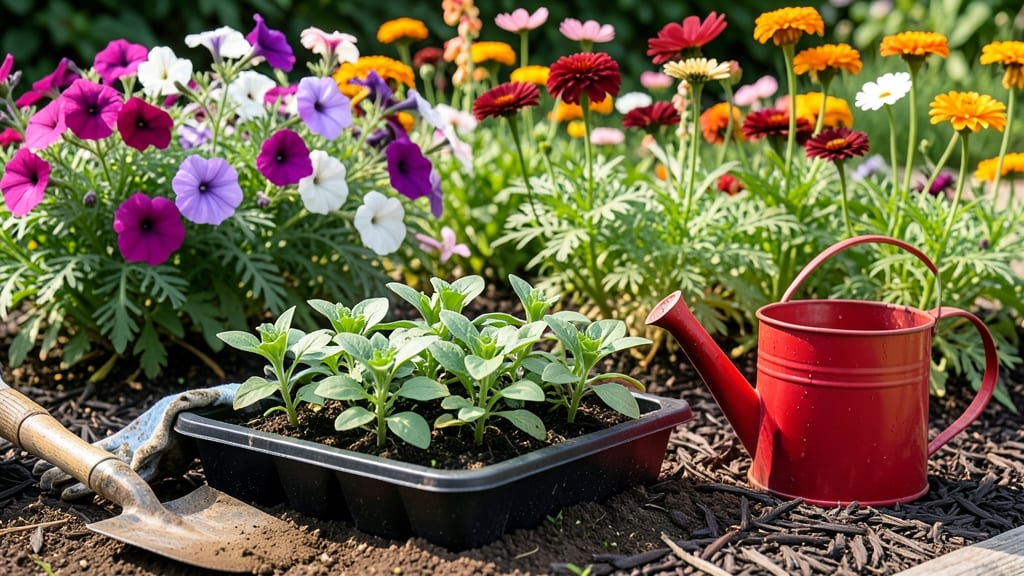
Timing your annuals planting in Colorado wrong could mean wilted blooms before summer even begins—or missed opportunities for stunning fall gardens.
With USDA Zones 5-7 and elevation shifts that feel like different climates, getting the dates right makes all the difference between a 🌸 thriving garden and a sad, half-bloomed disappointment.
Most gardeners in Colorado know the basics—wait for last frost—but what you don’t know is how microclimates (like Denver’s urban heat islands or the Western Slope’s desert-like conditions) can shift your planting window by 2-4 weeks.
Whether you’re growing petunias in Zone 6 or snapdragons near 10,000 feet, the rules change fast.
In this guide, I’ll break down the exact deadlines for spring and fall plantings, including how to adjust for your specific elevation and soil warmth. You’ll also learn which heat-tolerant annuals (like marigolds) can handle Colorado’s late starts—and which delicate varieties need a head start indoors.
Ready to turn your garden into a year-round showstopper? Let’s get those annuals in the ground at the perfect moment so you’re not left watching your neighbors’ flowers while yours struggle to keep up.
Colorado annual planting deadlines by elevation Zone (with frost date maps)
Colorado’s elevation zones create wildly different planting windows—your Denver garden might be ready for marigolds in late April, while Aspen’s alpine gardens won’t see safe planting until mid-June. The key? Last frost dates shift dramatically with every 1,000 feet of elevation gain.
For Front Range cities like Denver (5,280 ft), aim for April 15–May 1 for warm-season annuals. But in Grand Junction (4,400 ft), you can plant 2–3 weeks earlier thanks to desert-like warmth. Meanwhile, mountain towns above 8,000 ft often wait until June 1–15—or risk frost-killed seedlings.
🌱 PRO TIP: Use Colorado State University’s frost date maps (available via their Extension office) to pinpoint your exact zone. Urban areas like Colorado Springs can be 5–7°F warmer than rural spots just miles away due to heat islands.
| Elevation Zone | Last Frost Date | Safe Planting Window | Fall Planting Deadline | Notes |
|---|---|---|---|---|
| 2,500–4,000 ft (Grand Junction, Pueblo) | March 15–April 1 | March 30–April 15 | August 15–September 1 | Longer growing season; drought-tolerant varieties recommended. |
| 4,000–6,000 ft (Denver, Fort Collins, Colorado Springs) | April 15–May 1 | April 30–May 15 | July 30–August 15 | Urban heat islands can extend spring by 1–2 weeks. |
| 6,000–8,000 ft (Boulder, Estes Park, Salida) | May 1–May 15 | May 15–June 1 | July 15–July 30 | Nighttime temps drop faster; use row covers for early/late plantings. |
| 8,000–10,000 ft (Aspen, Leadville, Durango) | June 1–June 15 | June 15–July 1 | July 1–July 15 | Short season; focus on cold-hardy annuals like sweet alyssum. |
If you’re planting cool-season annuals like pansies or lettuce, start in early fall (August–September) for a winter-to-spring harvest. In low-elevation zones, you might even squeeze in a second fall crop by September 15, but high-altitude gardens should halt plantings by July 15 to avoid frost damage.
For vegetable annuals like basil or tomatoes, wait until soil temps hit 50°F—use a soil thermometer to check. In Denver’s urban heat islands, sidewalks can be 20°F warmer than rural areas, accelerating growth by 1–2 weeks.
🌡️ WARNING: Colorado’s late spring frosts (even in May!) can wipe out tender seedlings. Monitor the National Weather Service’s Denver/Boulder forecast for "freeze warnings"—these often trigger 32°F+ nighttime lows that kill marigolds, impatiens, and tomatoes.
Adjust for microclimates: South-facing slopes warm up 2–3 weeks earlier than north-facing yards. If your garden sits in a valley or near a river, expect cooler temps and later planting by 10–14 days compared to sun-exposed areas.
Pro tip: Hardening off seedlings for 7–10 days before transplanting helps them survive Colorado’s dry winds and temperature swings. Start with 2 hours of outdoor exposure on day 1, gradually increasing to all day by day 7.
For container gardening, warm up soil faster by placing pots on black plastic mulch or using heat mats. This can shave 1–2 weeks off
How to extend your Colorado annual season: cold frames, row covers & succession planting
Colorado’s short growing season and unpredictable frosts don’t have to limit your annual blooms. With the right techniques, you can push your planting windows by 2-4 weeks, giving delicate flowers like pansies a fighting chance in early spring or extending fall color until hard frost.
The key? Season extenders like cold frames, frost cloth, and smart succession planting.
I’ve tested these methods in my own Denver garden (Zone 5)**, where late May frosts still threaten tender seedlings—and trust me, a well-timed cold frame can turn a "too early" planting into a thriving June display.
Whether you’re dealing with high-altitude chill or urban heat islands, these strategies work across Colorado’s microclimates.
🌱 Pro Tip: Start with heat-tolerant varieties (like zinnias or marigolds) for your earliest plantings—they’ll bounce back faster from unexpected cold snaps.
Season Extender Showdown
- ✅ Extends season by 4-6 weeks both sides
- ✅ Protects seedlings and transplants from light frosts
- ✅ Works for early spring/late fall plantings
- ✅ Lightweight and portable for large beds
- ✅ Allows rain and airflow (unlike plastic)
- ✅ Protects down to 25°F (check rating)
- ✅ Budget-friendly ($10-$20 for 4'x10')
- ✅ Easy to remove during day for pollination
- ✅ Works for ground plantings (not containers)
- ✅ Non-stop blooms all season
- ✅ Staggered 2-week intervals work best
- ✅ Great for fast-growing annuals (basil, lettuce)
For DIY cold frames, I recommend using clear polycarbonate panels (like those from Tuff-Cover) on a wooden frame. Angle the top 30 degrees to shed snow and allow light penetration. Place them in sheltered spots (like near a south-facing fence) to maximize warmth.
In my Zone 5 trials, cold frames let me plant pansies in late March instead of waiting for May!
🌿 Succession planting is my secret weapon for non-stop color. Instead of one big planting, space out marigolds every 2 weeks from May to July. This ensures blooms when your first batch fades—and keeps pests (like aphids) from moving in for a free meal.
Pro move: Label your plantings with dates so you remember the schedule!
Don’t forget about fall plantings! Heat-tolerant annuals like cosmos and zinnias thrive when planted in late July. Use lightweight row covers in September to protect them from early mountain frosts. I’ve had cosmos bloom until Halloween in my Fort Collins garden using this trick.