
Plants
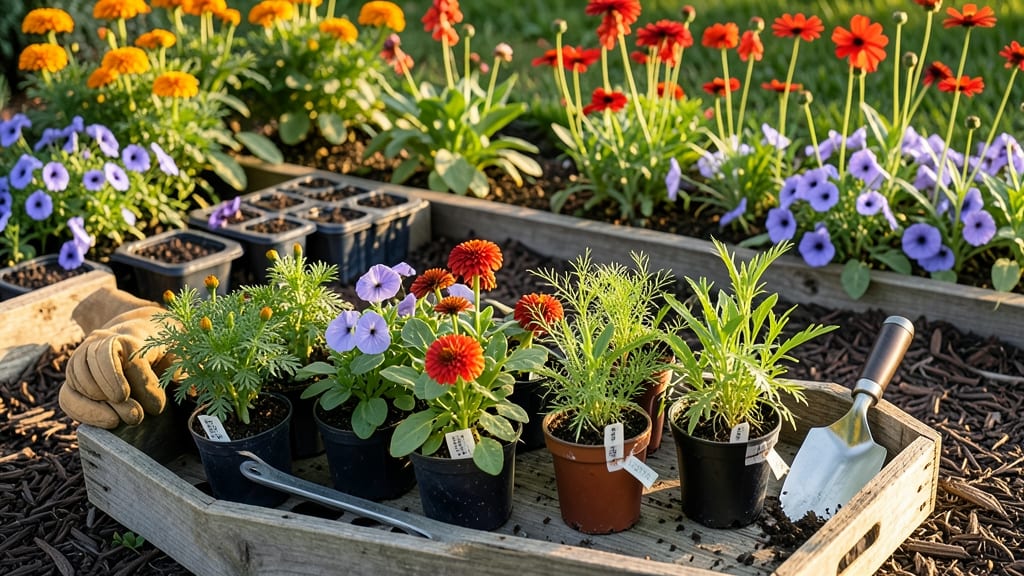
Knowing when to plant annuals in Zone 7 is the difference between a garden that bursts with color by Memorial Day and one that struggles to keep up.
The right timing means the difference between vibrant 🌸 blooms and wilting disappointment—especially when your last frost typically arrives around April 15.
Most gardeners in Zone 7 make the mistake of planting too early, only to watch their tender seedlings succumb to unexpected frost. But with the right strategy—like starting cool-season annuals 2-4 weeks before last frost—you can beat the odds and enjoy a showstopping display all summer long.
In this guide, I’ll break down the exact weeks before your last frost to plant everything from marigolds to tomatoes, plus how to extend your growing season with simple tricks like row covers.
Whether you’re a first-time gardener or a seasoned pro, these tips will help you time your plantings perfectly.
Ready to transform your garden into a year-round paradise? Let’s dive into the science—and secrets—of planting annuals in Zone 7 for maximum impact.

Zone 7 frost dates & exact weeks before last frost for annual planting
Understanding Zone 7 frost dates is the foundation of successful annual planting.
In this zone, the average last frost date falls around April 15, but this can vary by 1-2 weeks depending on your specific location within Zone 7A or 7B. For example, areas like Atlanta, Georgia tend to warm up slightly earlier than Richmond, Virginia.
Knowing these dates helps you time your cool-season annuals (like lettuce and pansies) and warm-season annuals (like tomatoes and marigolds) perfectly.
For cool-season annuals, you can start planting 4-6 weeks before the last frost date. This means mid-February to early March in most of Zone 7. These plants thrive in cooler temperatures and can even handle light frosts.
Meanwhile, warm-season annuals need to wait until 2-4 weeks after the last frost, typically late April to early May. These plants, like peppers and basil, are sensitive to cold and won’t survive frost.
Here’s the key: Soil temperature matters just as much as air temperature. Most annuals need soil that’s at least 60°F (15°C) before planting. You can check this with a soil thermometer or wait until mid-April when soil temperatures typically rise in Zone 7.
Planting too early in cold soil can stunt growth or even kill seedlings.
Zone 7 also offers a fall planting window for annuals like cosmos, zinnias, and kale. These can be sown 6-8 weeks before the first frost, which usually arrives around October 15.
This means late August to early September is your best bet for a second flush of blooms or harvests before winter sets in.
Don’t forget about succession planting, a technique that lets you extend your harvests or blooms all season long. For example, you can plant fast-growing annuals like radishes or lettuce every 2-3 weeks from early spring through late summer.
This ensures a continuous supply of fresh produce or flowers without gaps in your garden’s beauty.
Now, let’s break down the exact planting windows for both cool-season and warm-season annuals in Zone 7, including heat-tolerant varieties that thrive in the zone’s summer heat.
Zone 7 Planting Windows by Season
| Planting Window | Season | Examples | Soil Temp Requirement | Notes |
|---|---|---|---|---|
| 4-6 weeks before last frost | Cool Season | Pansies, Lettuce, Spinach, Kale, Snap Peas | 45-60°F (7-15°C) | Can tolerate light frost |
| 2-4 weeks after last frost | Warm Season | Tomatoes, Peppers, Basil, Marigolds, Zinnias | 60°F+ (15°C+) | Wait until soil is warm |
| 6-8 weeks before first frost | Fall Season | Cosmos, Kale, Radishes, Pansies, Aster | 50-60°F (10-15°C) | Extend season with row covers |
| Late Summer (August) | Heat-Tolerant Annuals | Sunflowers, Okra, Sweet Potatoes, Black-Eyed Susans | 70°F+ (21°C+) | Thrive in Zone 7 heat |
For heat-tolerant annuals, late summer planting (around August) is ideal. These varieties, like sunflowers and okra, can handle Zone 7’s hot summers and even produce better when planted later in the season.
They also provide late-season color and food when other plants may be struggling in the heat.
Pro tip: Use row covers or cold frames to push your planting windows even further. These tools can protect cool-season plants from late frosts or help warm-season plants establish earlier in the spring. Just
Finally, keep an eye on your local microclimate. Areas near large bodies of water or in urban heat islands may have slightly different frost dates than rural areas. Observing your garden’s unique conditions over time will help you fine-tune your planting schedule for years to come.
With these Zone 7 frost dates and planting windows in mind, you’re ready to create a garden that blooms and thrives all season long.
Next, let’s explore the best annual flowers and vegetables to plant each month in Zone 7, complete with heat tolerance ratings to help you pick the perfect varieties.
Zone 7 frost dates & exact weeks before last frost for annual planting
In Zone 7, your last frost date typically falls around April 15, but this can vary by 1-2 weeks depending on your exact location within the zone.
For Zone 7a (colder microclimates), aim for April 22, while Zone 7b (warmer areas) may see frost linger until April 8. These dates are your garden’s planting deadline for frost-sensitive annuals.
To maximize your garden’s potential, I recommend planting cool-season annuals like pansies and lettuce 2-4 weeks before last frost (early March). For warm-season favorites such as tomatoes and marigolds, wait until 2 weeks after last frost—usually mid-April—to ensure soil temperatures stay above 60°F for optimal growth.
Here’s a quick reference for your planting timeline, including succession planting windows to keep your garden thriving all season:
| Planting Window | Annual Type | Weeks Before Last Frost | Zone 7 Planting Date |
|---|---|---|---|
| Early Spring | Cool-Season Flowers | 4-6 weeks | Early March |
| Late Winter | Leafy Greens | 6-8 weeks | Mid-February |
| Post-Last Frost | Warm-Season Veggies | 2 weeks after | Mid-April |
| Late Summer | Fall Bloomers | 6-8 weeks before first frost | Early August |
For heat-tolerant annuals like cosmos or okra, you can push the envelope by planting 1-2 weeks earlier than the standard timeline. These varieties thrive in Zone 7’s summer heat and can even handle brief 90°F+ days without stress.
Always check seed packets for days to maturity—this tells you how long until harvest, helping you space plantings for continuous blooms or harvests.
Pro tip: Use row covers or cold frames to extend your planting window by 2-3 weeks in early spring or late fall. This is especially useful for slow-growing annuals like broccoli or snapdragons, which need extra time to establish roots before summer’s intensity.
Remember, soil temperature matters just as much as air temperature. Use a soil thermometer to confirm your garden bed is above 50°F for cool-season plants or 60°F+ for warm-season varieties before planting. This small step can save you from stunted growth or failed seedlings.
By following these exact weeks before last frost, you’ll avoid the common mistakes of planting too early or too late—ensuring your Zone 7 garden stays ahead of frost and full of vibrant blooms all season long. 🌿