
Plants
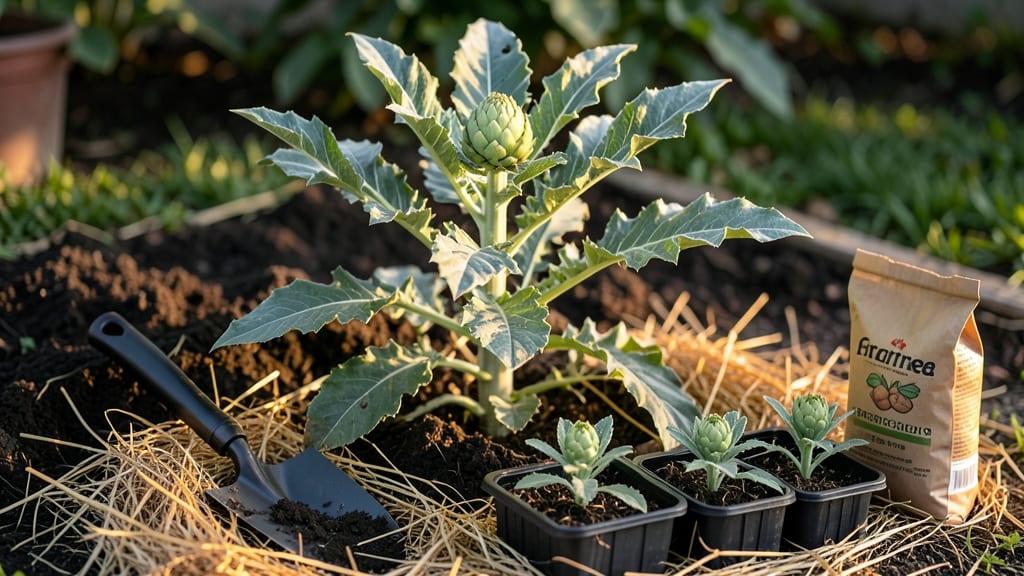
Timing is everything when it comes to growing artichokes in Texas—plant too early, and you risk frost; too late, and the heat will stifle your 🌿 before it even takes root.
Texas gardeners know the struggle: unpredictable freezes in North Texas and relentless summer heat in the South make artichokes a high-stakes experiment.
But here’s the good news: with the right planting window—like September-October for fall or February-March for spring—you can turn your Texas garden into a thriving artichoke patch.
The key is understanding your region’s frost dates, soil temps, and heat tolerance thresholds to avoid common mistakes that derail even the most eager growers.
In this guide, I’ll break down the exact deadlines for North, Central, and South Texas, plus the best heat-tolerant varieties that actually thrive in our climate. Whether you’re a seasoned gardener or a first-timer, these tips will help you skip the guesswork and grow artichokes like a pro.
Ready to ditch the trial-and-error? Let’s get into the best times to plant, how to prep your soil, and the varieties that won’t wilt under Texas sun.
Optimal planting windows for Texas artichokes by region
Texas’s diverse climate—from North Texas’s chilly winters to South Texas’s extended heat—means planting artichokes requires precision. The key is timing your plantings to avoid frost damage in winter or heat stress in summer.
For most of Texas (USDA Zones 8a-10b), the best planting windows are late winter/early spring or early fall, when soil temperatures are ideal and extreme weather risks are lower.
In North Texas (e.g., Dallas, Fort Worth), where frosts linger until mid-January, your safest bet is planting transplants in February-March or seeds in September-October.
South Texas gardeners (e.g., San Antonio, Corpus Christi) enjoy a longer growing season and can plant as late as November or even early December for fall harvests. Central Texas (Austin, Waco) falls somewhere in between, with February-March and September-October as the sweet spots.
Here’s the breakdown you need to nail your artichoke planting schedule by region, including last frost dates and soil temperature thresholds:
| Region | Best Planting Window | Last Frost Date | Soil Temp Threshold | Harvest Window |
|---|---|---|---|---|
| North Texas (Dallas/Fort Worth) | Feb 15–Mar 15 (spring) or Sep 1–Oct 15 (fall) | Jan 15 (avg last frost) | 60°F+ (spring) or <85°F (fall) | Mar–May (spring) or Nov–Jan (fall) |
| Central Texas (Austin/Waco) | Feb 1–Mar 10 (spring) or Sep 15–Oct 30 (fall) | Jan 10 (avg last frost) | 60°F+ (spring) or <85°F (fall) | Mar–May (spring) or Oct–Dec (fall) |
| South Texas (San Antonio/Corpus Christi) | Feb 15–Apr 1 (spring) or Oct 1–Nov 15 (fall) | Dec 15 (avg last frost) | 65°F+ (spring) or <90°F (fall) | Apr–Jun (spring) or Nov–Jan (fall) |
For spring planting, wait until the soil warms to at least 60°F (use a soil thermometer to check). In fall, plant when daytime highs drop below 85°F to prevent heat stress.
Pro tip: In North Texas, cover young plants with row covers if a late frost threatens—artichokes can tolerate light frosts (28°F) but not prolonged cold snaps.
If you’re in South Texas, you can even squeeze in a summer planting (June-July) for a fall harvest, but choose heat-tolerant varieties like 'Violetto' and provide shade cloth during peak afternoon heat. Just be prepared for slower growth and smaller yields in extreme summer conditions.
One common mistake? Planting too early in spring when the soil is still cold. Artichokes won’t germinate below 60°F, and seedlings may rot. Similarly, fall plantings after October risk heat stress as temperatures climb again.
Stick to these windows, and you’ll maximize your artichoke yield while minimizing stress on your plants.
Ready to dive deeper? The next section covers the best heat-tolerant artichoke varieties for Texas gardens, including which ones thrive in your specific zone and how to spot the perfect specimen for harvest.
Best heat-tolerant artichoke varieties for Texas gardens
Texas’s brutal summers can turn artichokes into a gamble, but the right heat-tolerant varieties make all the difference. Look for types that thrive in USDA Zones 8-10 with drought resistance and high-yield potential.
My top picks? 'Green Globe' for beginners and 'Violetto' for gourmet gardeners—both handle Texas heat like pros.
Heat tolerance isn’t the only factor—cold hardiness matters too. While Texas summers are unforgiving, unexpected freezes can still sneak up. Varieties like 'Imperial Star' balance heat endurance with moderate frost resistance, giving you flexibility. Let’s break down the best options with a rating bar for key traits.
🌱
'Green Globe' is the workhorse of Texas artichoke gardens, producing large, globe-shaped heads that handle heat like a champ. It’s my go-to for spring planting because it matures quickly—120-150 days to harvest—so you can beat the summer heat. Plus, its disease resistance means fewer headaches in humid Texas summers.
For something fancier, 'Violetto' delivers violet-tinged buds with a nutty flavor that’s perfect for gourmet dishes. It’s slightly less heat-tolerant than 'Green Globe' but still thrives in Central and South Texas. The trade-off? Its earlier maturity (100-120 days) lets you harvest before the worst heat sets in.
If you’re in North Texas where late frosts are a risk, 'Imperial Star' is a smart pick. It handles cooler springs better than most varieties and still produces tender, edible buds in 130-160 days. Just be prepared to mulch heavily to protect roots from temperature swings.
Pro tip: Start seeds indoors 8-10 weeks before your last frost date (or buy transplants from a Texas-based nursery like Wildseed Farms or Texas A&M AgriLife). This gives young plants a head start before the Texas sun turns brutal. And always harden off