
Plants
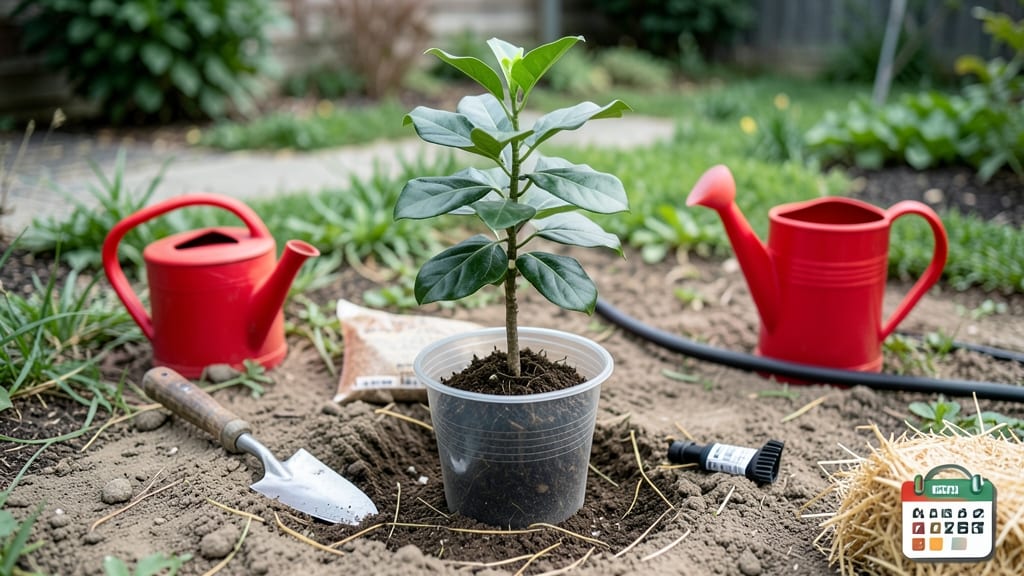
Best months to plant avocado trees by USDA hardiness Zones
Avocados thrive in warm climates and despise frost, so timing your planting is everything. In USDA Zones 9-11, you can plant year-round, but spring (March-May) gives seedlings the best head start. For Zones 7-8, wait until after the last frost—typically April-May—to avoid cold damage.
If you're in Zones 1-6, container growing is your best bet. Start seeds indoors in winter (February-March) and transition outdoors in late spring (May-June) when soil stays above 60°F. Avocados are tropical plants, so heat and sunlight are non-negotiable for success.
🌱 Avocado Planting Timeline by Zone
| Zone | Best Planting Months | Soil Temp Requirement | Frost Risk |
|---|---|---|---|
| 9-11 | Year-round (spring ideal) | 60°F+ (warm soil) | None |
| 7-8 | April-May (after frost) | 65°F+ (warmer soil) | Low (late spring) |
| 6 | May-June (containers only) | 70°F+ (heat mat needed) | High (early season) |
| 1-5 | Indoors (Feb-Mar), outdoors May-June | 75°F+ (greenhouse/heat mat) | Very High |
For Zones 9-11, spring planting in March-April aligns with natural rainfall patterns, reducing irrigation needs. In California or Florida, you can even plant in fall (September-October), but avoid summer heatwaves, which stress young roots.
Always check your local frost dates—a single 32°F night can kill an avocado tree.
In Zones 7-8, like Georgia or South Carolina, aim for late April when nighttime temps stay above 50°F. Use black plastic mulch to warm soil faster. If planting in containers, move them indoors before first frost—even mature trees need protection from freezing temps.
For Zones 1-6, treat avocados like houseplants until summer. Start seeds in water (yes, really!) in February, then transplant to pots with well-draining mix. Once soil warms to 65°F+ in May-June, place containers in full sun and use a heat mat to simulate tropical conditions.
Pro tip: Use a soil thermometer to confirm 60°F+ soil temps before planting. Cold soil slows root growth, making seedlings vulnerable to disease. In dry climates, water deeply 3 days before planting to encourage root expansion into moist soil.
Moon phases matter too! Plant during the waxing moon (growing phase) for stronger root development. Avoid planting during a full moon or waning moon, as roots may struggle to establish. Pair this with compost-rich soil and 6+ hours of sun, and your avocado will thrive.
Remember: Patience is key. Avocados grow slowly—don’t expect fruit for 3-5 years. But with the right timing, you’ll set your tree up for a lifetime of harvests. 🌱
How to tell if your soil and climate are ready for avocado planting
Avocados are tropical plants at heart, so they demand warm soil and consistent temperatures to thrive. Before you plant, check if your garden meets their minimum warmth requirements—soil should stay above 60°F (15°C) for roots to establish properly.
In cooler zones, this might mean waiting until late spring or using containers with heat mats. Cold soil slows growth and invites root rot, so don’t rush the process!
Start by testing your soil pH, which should fall between 6.0 and 7.0 for optimal avocado growth. Use a simple soil test kit from your local garden center—avocados dislike acidic or alkaline extremes.
If your soil is off, amend it with compost or lime (for acidic soil) to create the perfect balance. Well-draining soil is equally critical; avocado roots hate soggy conditions, which can lead to fungal diseases.
Planting avocados in cold soil or poor drainage can kill your tree before it starts. Always wait until soil temps reach 60°F+ and ensure excess water drains within 24 hours. Avoid planting in low-lying areas where frost or water pools.
Next, evaluate your microclimate. Avocados need 6+ hours of sunlight daily, but they also appreciate protection from strong winds, which can dry out their leaves. If your garden is exposed, consider planting near a windbreak like a fence or hedge.
Observe your yard’s sunlight patterns for a few weeks—shade from nearby trees or buildings can drastically reduce growth potential.
Timing your plant isn’t just about the calendar; it’s about frost-free conditions. Even in USDA Zone 9-11, a late frost can devastate young avocado trees. Use your local frost date guide (available from extension offices) to plan 6-8 weeks before the first expected frost for fall plantings.
In Zones 7-8, container growing is often the safest bet to move trees indoors during cold snaps.
Finally, consider the moon’s planting phases for extra success. While not scientific, many gardeners swear by planting during a waxing moon (when roots grow best) or avoiding a full moon.
Pair this with your soil prep, and you’ll give your avocado the best possible start. Mark your calendar now—your tree’s future depends on it!
For a quick sanity check, grab a soil thermometer and monitor temps for a week. If they consistently stay above 60°F, your garden is ready. Pair this with well-draining soil and full sun exposure, and you’re set for a thriving avocado tree! 🌱