
Plants
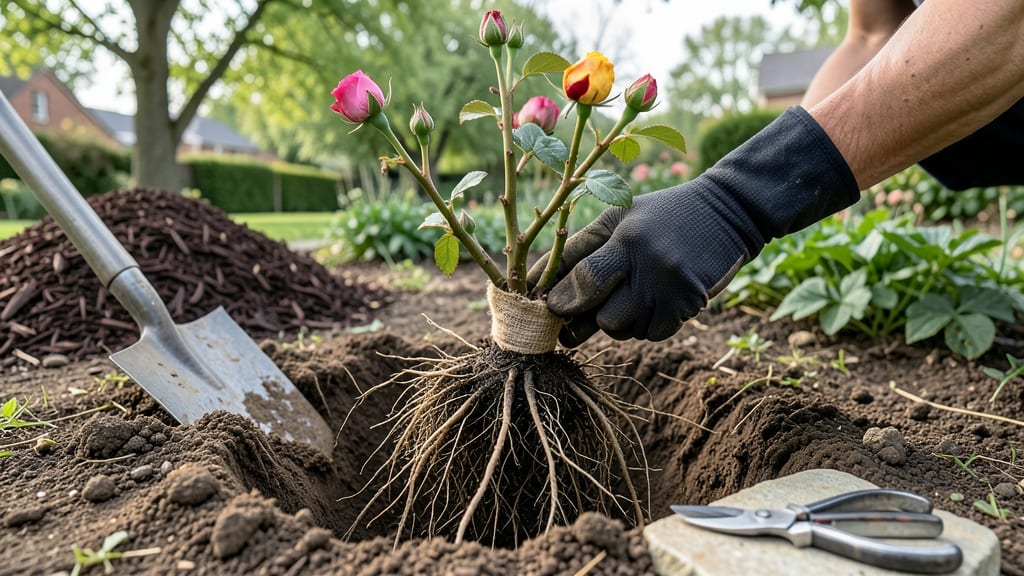
Planting bare root roses in Zone 8 at the wrong time can turn your dream garden into a struggling shrub—so getting the timing right is everything.
The key isn’t just the calendar date but matching your roses’ chill-hour needs to your local climate, especially in a zone where winters are mild and summers can be brutal.
If you’ve ever wondered why some roses bloom like crazy while others barely survive, the answer likely lies in when—and how—you planted them.
Zone 8’s unique microclimates mean what works in one part of the state might fail just a few miles away, making precision planting the game-changer for vibrant, healthy 🌹 blooms.
In this guide, I’ll walk you through the exact planting windows for Zone 8, from late fall to early spring, and how to adjust for your specific chill hours.
You’ll also learn how to prepare your roses for success, whether you’re dealing with urban heat islands, coastal fog, or high-desert conditions.
Ready to set your roses up for a thriving first season? Let’s dive into the science—and the simple steps—so you can enjoy those stunning blooms all summer long.

Optimal planting windows for Zone 8 bare root roses by chill-hour requirements
Zone 8’s mild winters make timing everything for bare root roses—plant too early, and your roses may wake up prematurely from dormancy. Plant too late, and they’ll struggle to establish roots before summer heat arrives.
The key? Matching your chill-hour requirements (the number of hours below 45°F) with the right planting window. Most Zone 8 gardeners fall into one of three chill-hour categories, each with its own ideal timing.
Before you dig, check your local chill hours using the USDA Plant Hardiness Zone Map or a home weather station. For example, Los Angeles typically sees 300–450 chill hours, while Phoenix averages 600–900 hours.
Knowing this number will help you pick the right rose varieties and planting date for your microclimate.
Here’s how to align your planting schedule with chill-hour needs to avoid common pitfalls like premature bud break or heat stress.
If you’re in a low-chill area (300–450 hours), aim for late November to early December. This timing ensures your roses stay dormant until winter solstice, when days start lengthening.
For moderate-chill zones (450–600 hours), mid-October to mid-November is ideal—planting earlier risks frost damage, while delaying too long may leave roots exposed to summer heat.
High-chill areas (600–900 hours) can plant as early as September, but avoid peak summer heat. Early September planting gives roots time to establish before temperatures rise. Pro tip: Soak bare roots for 2–4 hours before planting to reduce transplant shock in any zone.
Choosing the right rose variety for your chill hours is just as critical as timing. For example, Knock Out® roses thrive in low-chill zones, while 'Mister Lincoln' needs more winter chill to bloom reliably. Always check a variety’s chill-hour range before purchasing to avoid disappointment.
Even with perfect timing, soil temperature matters. Ideal soil temps for planting are between 40–60°F. Use a soil thermometer to check—if it’s warmer, wait a few days or plant in the shade until conditions cool. Mulching with 3–4 inches of wood chips helps regulate soil temperature and retain moisture.
Remember, Zone 8’s unpredictable weather means flexibility is key. If an early frost threatens, delay planting by a week or two. Conversely, if a heatwave hits, prioritize watering and shade cloth until temps drop. The goal? Give your roses the best chance to establish roots before stress sets in.
🌹
How to adjust planting dates for Zone 8 microclimates and soil conditions
Zone 8’s diverse microclimates can turn a perfect planting window into a risky gamble if you don’t adjust for your specific location. Urban heat islands, coastal fog, and high-desert areas all demand different strategies to ensure your bare root roses thrive.
For example, Los Angeles might see 500 chill hours, while Phoenix could hit 300 hours—a difference that changes everything about timing.
Even within a single city, a backyard in a valley might frost earlier than a hillside just a mile away. That’s why I always check local weather stations or USDA chill-hour maps before setting my calendar.
A simple shift of 2–3 weeks can mean the difference between root rot and robust growth.
Soil conditions add another layer of complexity. Heavy clay soil in Southern California holds moisture too long, while sandy soil in Arizona drains too quickly. Both extremes stress bare root roses, so I always amend the soil before planting—whether that means adding compost for clay or perlite for sand.
Zone 8 Microclimate Adjustments
- 🌆 Urban Areas: Plant 2–3 weeks later than rural zones to avoid heat stress; mulch heavily with wood chips.
- 🌊 Coastal Zones: Extend planting window 1–2 weeks earlier due to milder winters; monitor for salt spray damage.
- 🏜️ High Desert: Plant 3–4 weeks earlier (late August) and use shade cloth post-planting to reduce evaporation.
- 🪴 Heavy Clay Soil: Amend with 50% compost and plant in raised beds to prevent root rot.
If you’re planting in urban areas, delay until after the first frost—usually mid-November in most of Zone 8—to let the soil cool. In coastal zones, you can plant as early as late September because the ocean moderates temperatures.
Meanwhile, high-desert regions like Yuma might need roses in the ground by late August to beat the summer heat.
Don’t overlook soil preparation either. Before planting, I mix in aged compost and a slow-release fertilizer to give roots a nutrient boost. For sandy soil, I add coco coir to retain moisture, while clay-heavy soil gets gypsum to improve drainage. These tweaks help compensate for early or late planting.
After planting, a 3-inch layer of mulch keeps roots cool in summer and insulated in winter. Just avoid piling mulch against the stem—leave a 2-inch gap to prevent rot. With these adjustments, your Zone 8 bare root roses will establish strong roots and bloom like champions.
🌿