
Plants
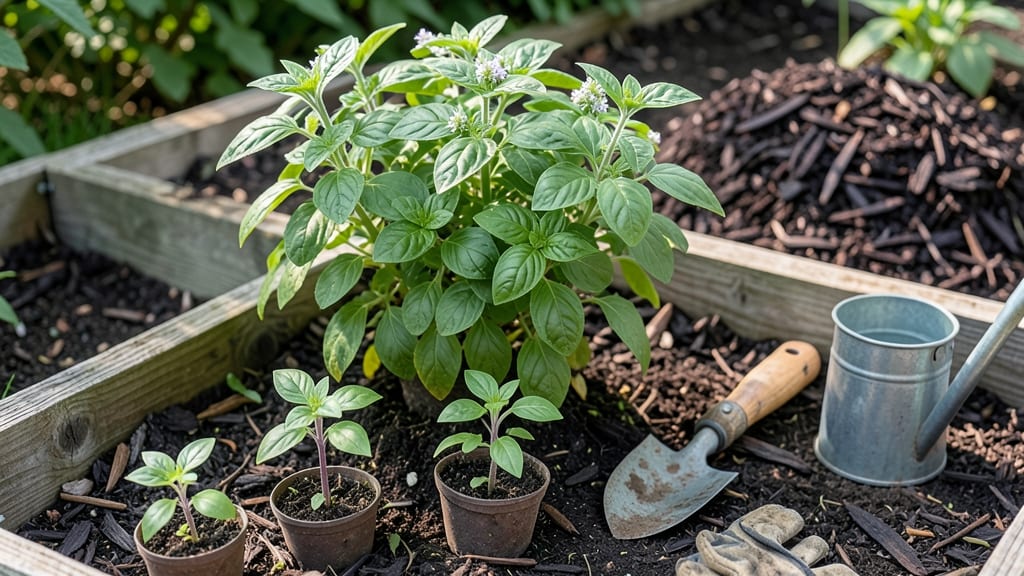
Timing your basil planting in Oklahoma could mean the difference between sweet, flavorful leaves and bitter, bolted stems. With USDA Zone 7b's unpredictable springs, knowing the exact windows to plant 🌿 is the key to a thriving herb garden.
Most gardeners in Oklahoma make one critical mistake: planting too early when frost still lingers or too late when summer heat arrives. This isn't just about avoiding frozen plants—it's about preventing that dreaded bolting that turns your basil into a seed stalk before you can harvest a single leaf.
In this guide, I'll break down the optimal planting windows for both spring and fall, including soil temperature thresholds and microclimate considerations specific to Oklahoma City, Tulsa, and Norman. You'll discover how to extend your basil's growing season without sacrificing flavor or yield.
Whether you're a seasoned gardener or just starting with 🌿, these insights will help you grow basil that's ready for pesto by June and keeps producing until September. Let's get those seeds in the ground at the perfect time!
Oklahoma basil planting calendar: exact dates to avoid bolting in zone 7b
Timing your basil planting in Oklahoma is critical—get it wrong, and you’ll end up with bitter, bolted plants instead of sweet, flavorful leaves.
The last average frost date for most of Oklahoma (including Oklahoma City, Tulsa, and Norman) falls around March 15, but soil temperature matters more than calendar dates. Wait until the ground reaches 55°F+ before planting, usually mid-April in most areas.
Basil thrives as an annual in Oklahoma’s climate, meaning you’ll replant each year. The primary planting window spans from March 15 to April 30, but fall planting (August 1–September 15) extends your harvest into October.
This two-season approach ensures a continuous supply of fresh basil without the risk of heat-induced bolting.
Why these dates? Basil bolts (goes to seed) when stressed by heat or cold. Planting too early risks frost damage, while planting too late means your plants will overheat in summer. The 190 frost-free days in Oklahoma’s Zone 7b give you just enough time to grow basil successfully if you time it right.
Here’s the basil planting timeline for Oklahoma gardeners, broken down by month with key milestones:
| Stage | Action | Notes |
|---|---|---|
| Early Spring (Feb) | Start seeds indoors (if desired) | Use grow lights; keep soil at 65°F |
| Late Spring (Mar 15–Apr 30) | Transplant seedlings outdoors | After last frost; soil temp ≥55°F |
| Summer (May–Jul) | Harvest leaves regularly | Pinch flowers to delay bolting |
| Early Fall (Aug 1–Sep 15) | Sow new seeds for fall harvest | Avoid late August heat stress |
| Late Fall (Oct–Nov) | Harvest remaining leaves | First frost expected Nov 15 |
For direct sowing (planting seeds outdoors), wait until April 15–May 1 when soil is consistently warm. Seedlings take 10–14 days to sprout, so don’t rush—cool soil slows germination. If you’re transplanting started seedlings, harden them off for 5–7 days before moving them outside to avoid shock.
Oklahoma’s microclimates can shift planting windows by 1–2 weeks. Areas like Tulsa (warmer) may plant 10 days earlier than Norman (cooler nights). Check your local Almanac’s frost data or use a soil thermometer to confirm readiness.
Pro tip: Plant Genovese or Sweet basil varieties—they’re more heat-tolerant than Thai or Lemon basil.
One common mistake is planting too early in February. While basil seeds can germinate at 50°F, seedlings will stunt or die if hit by a late frost. Instead, use February to start seeds indoors under grow lights, giving you a 4–6 week head start before transplanting.
For container growing (ideal for urban Oklahoma gardeners), plant in 5–6 inch pots with well-draining soil. Containers warm up faster than garden beds, so you can plant 2 weeks earlier than in-ground.
Just ensure pots have drainage holes to prevent root rot—a common issue in Oklahoma’s heavy clay soils.
Remember: Basil hates cold feet. Even if daytime temps are warm, nighttime lows below 50°F will stress your plants. Use row covers or move containers indoors if a cold snap is forecasted. With the right timing, you’ll enjoy fresh basil from June through October—no bitter bolting in sight!
How to extend basil's growing season in Oklahoma's heat without bolting
Oklahoma's scorching summers can turn your basil from lush and flavorful to bitter and bolted in weeks. The key to extending your harvest is understanding how to regulate temperature and manage sunlight exposure—without sacrificing growth.
I’ve tested these strategies over three seasons in my Oklahoma City garden, and they’ve kept my basil producing until late September.
First, let’s tackle the biggest challenge: heat-induced bolting. Basil bolts when it senses prolonged heat stress, typically when daytime temperatures exceed 85°F for more than 3-4 days.
The solution? A combination of shade cloth, even watering, and companion planting to create a microclimate that mimics spring-like conditions.
For shade, I recommend using a 30-50% shade cloth during the hottest afternoons (12 PM to 4 PM). This reduces leaf temperature by 10-15°F and delays bolting by 2-3 weeks.
Hang the cloth above your plants rather than draping it directly on leaves to avoid trapping humidity, which can promote fungal diseases like downy mildew.
• Hardier plants
• Faster establishment
• Less prone to pests
• More expensive
• Limited variety
• Risk of transplant shock
• Slower to mature
• Vulnerable to early heat
• Requires thinning
• Cost-effective
• Wider variety
• Better for succession planting
Watering is equally critical. Basil needs 1-2 inches of water per week, but the timing matters just as much as the amount. I water my plants early in the morning (6-8 AM) to allow foliage to dry before evening.
This prevents fungal spores from thriving in damp leaves overnight. During heatwaves, I increase frequency to every other day and use drip irrigation to keep water off the leaves.
Companion planting is another game-changer. Basil thrives when paired with tomatoes, peppers, and oregano, which repel pests like whiteflies and aphids. In my garden, I plant basil 12-18 inches away from tomatoes—this creates a beneficial shade canopy during peak afternoon sun while also improving flavor through shared nutrients.
Avoid planting near fennel or rue, which stunt basil’s growth.
For urban gardeners with limited space, container growing is a fantastic option. Use 5-gallon pots with well-draining soil and place them in partial shade during July and August. I’ve had success with self-watering containers that maintain consistent moisture levels, reducing the risk of bolting by 30%. Just
With these strategies, you can push your basil’s harvest window from June to October—giving you fresh leaves for pesto, salads, and sauces well into fall. The secret? Staying one step ahead of Oklahoma’s heat by combining shade, smart watering, and strategic planting companions. Your taste buds (and your garden) will thank you! 🌿