
Plants
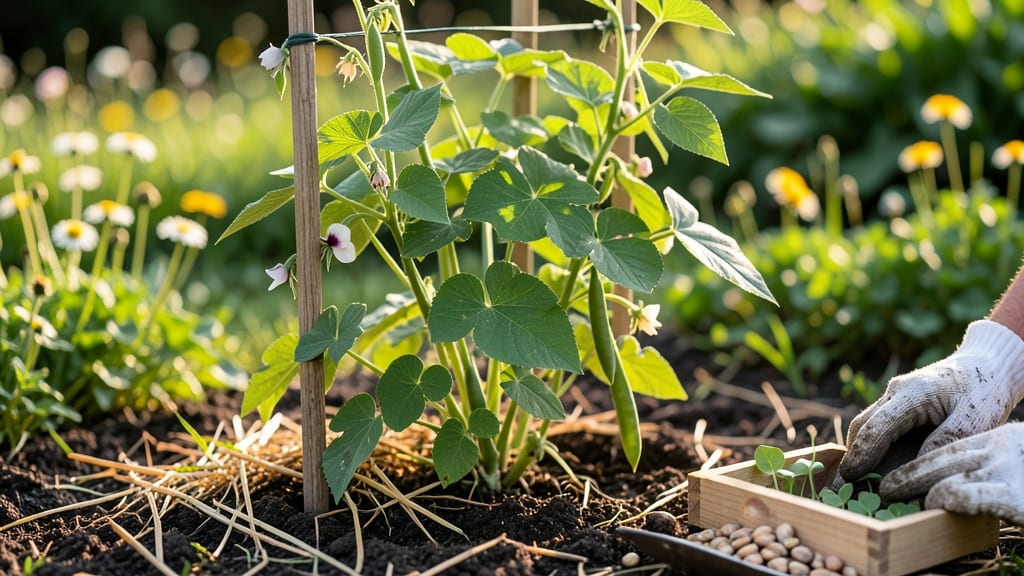
Timing your Beans🌱 planting in Oklahoma isn’t just about following a calendar—it’s about outsmarting the state’s unpredictable weather to guarantee a harvest that’s bountiful and full of flavor.
One wrong move, like planting too early and facing a late frost, and you’re staring at wilted seedlings instead of crisp, homegrown pods. But get it right, and you’ll enjoy fresh beans straight from your garden for weeks.
Oklahoma’s USDA Zones 6b–8a mean your planting window can shift dramatically depending on where you live.
Whether you’re in the cooler north or the warmer south, knowing the exact best months—March to May for spring and August to September for fall—is the key to avoiding common pitfalls like stunted growth or missed harvests.
Let’s break down the science and share the proven strategies that work for Oklahoma gardeners.
From bush beans that thrive in containers> to towering pole varieties that need trellises, each type has its own ideal timing. You’ll also discover how to stretch your harvest season with succession planting> and companion plants that keep pests at bay.
Whether you’re a first-time gardener or a seasoned green thumb, these tips will help you maximize your yield and enjoy a garden that’s as rewarding as it is delicious.
Ready to turn your Oklahoma garden into a bean-producing powerhouse? Let’s dive into the month-by-month guide that’ll have you planting with confidence—and harvesting like a pro. Your next meal starts with the right timing, and we’ve got you covered.
Oklahoma bean planting calendar: month-by-month guide for pole, bush, and runner beans
Oklahoma’s diverse microclimates mean your last frost date could vary by 30 days from north to south. In Zone 6b (northern OK), wait until April 15 for safety, while Zone 8a (southern OK) can start as early as March 1.
Always check your local USDA Plant Hardiness Zone for precision.
Beans thrive in warm soil (minimum 60°F) and consistent temperatures above 50°F. Cold soil slows germination, while late spring frosts can kill young seedlings. Soil thermometers are your best friend—plant only when the ground stays warm for 5+ days.
Spring planting (primary harvest) runs from March to early May, while fall planting (secondary harvest) occurs 8-10 weeks before first frost (typically August to early September). Fall beans often produce sweeter pods since cooler temps reduce bitterness.
🌱 Oklahoma Bean Planting Timeline by Region
| Region/Zone | Spring Planting | Fall Planting | Key Consideration |
|---|---|---|---|
| North (6b) | April 15–May 10 | August 1–September 1 | Later frost risk; use row covers |
| Central (7a) | March 20–April 15 | August 15–September 10 | Moderate temps; ideal for succession planting |
| South (8a) | February 28–March 31 | September 1–October 1 | Early heat; prioritize shade cloth |
🌡️ Pro Tip: Adjust dates 1 week earlier for container gardens (warms faster) or 1 week later for heavy clay soils (cools slower).
For pole beans (like Kentucky Wonder), plant 1-2 weeks earlier than bush beans—they need longer to establish their climbing structure. Bush beans (e.g., Blue Lake) mature faster (50 days) and tolerate cooler soils, making them ideal for early spring or fall.
Runner beans (e.g., Scarlet Runner) are heat-loving and perfect for late spring or summer planting. They thrive in 90°F+ temps but wilts in 80°F+ heat without afternoon shade. Use lightweight row covers to protect young plants from late spring frosts.
Oklahoma’s unpredictable summer heat (often 100°F+) can stress beans, causing flower drop. To combat this, mulch heavily with straw or wood chips to keep roots 10°F cooler and water deeply at soil level (not overhead) to prevent leaf scorch.
If you miss spring planting, don’t despair—succession planting every 2 weeks until June 15 ensures a continuous harvest. For fall, sow seeds by August 1 to harvest before first frost. Heirloom varieties like Romano or Yellow Wax handle fall’s cooler temps better than modern hybrids.
Always test your soil pH (ideal: 6.0–7.0) before planting. Oklahoma’s clay-heavy soils often need compost or aged manure to improve drainage. Amend beds in fall for spring-ready soil—beans are light feeders and prefer fertile but not nitrogen-rich soil.
🌱 Remember: Beans fix their own nitrogen, so over-fertilizing harms growth. Side-dress with compost tea instead of synthetic fertilizers for best results.
Best bean varieties for Oklahoma gardens and their ideal planting times
Oklahoma’s diverse climate—from the cooler north to the warmer south—means not all bean varieties thrive equally.
For peak yields, choose varieties that match your USDA Zone 6b–8a and planting season. Bush beans like Blue Lake are compact and perfect for small gardens, while pole beans such as Kentucky Wonder climb and produce for weeks. Heirloom varieties like Scarlet Runner add beauty and flavor but need more warmth.
Timing is everything: Spring planting (March–May) works for most varieties, but fall planting (August–September) extends your harvest. Heat-tolerant varieties like Black Valentine handle Oklahoma’s summer heat better than delicate types. Always check your last frost date—planting too early risks frost damage, while waiting too long shortens the growing season.
For container gardening, dwarf varieties like Mascotte (bush) or Blue Lake Bush excel in pots.
These stay under 2 feet tall and thrive in 5-gallon containers with proper drainage. Succession planting every 2 weeks ensures a steady supply, especially for short-season varieties like Tendergreen, which mature in just 50 days.
| Variety | Type | Planting Time | Days to Harvest | Notes |
|---|---|---|---|---|
| Blue Lake | Bush | March–May, Aug–Sept | 55–60 | Compact, great for containers |
| Kentucky Wonder | Pole | April–May | 60–70 | Heat-tolerant, needs trellis |
| Scarlet Runner | Pole | May–June | 70–80 | Ornamental, long harvest |
| Black Valentine | Bush | April–May | 50–55 | Drought-resistant, great for heat |
| Mascotte | Bush | March–May | 50–55 | Perfect for containers |
If you’re in Zone 8a (southern Oklahoma), you can push the envelope with late summer planting for varieties like Tendergreen, which matures quickly before fall frosts. Drought-resistant types such as Rattlesnake Pole Bean are ideal for areas with inconsistent rainfall.
Always test your soil—beans prefer pH 6.0–7.0 and well-draining soil to avoid root rot.
For companion planting, pair beans with corn and squash (the "Three Sisters" method) to improve soil and deter pests. Avoid planting near onions or garlic, which can stunt bean growth. Mulch with straw to retain moisture and suppress weeds, especially during Oklahoma’s hot, dry summers.
With the right variety and timing, you’ll enjoy a continuous harvest from June through October.
Pro tip: Save seeds from your best-performing plants for next year’s garden. Oklahoma’s long growing season in warmer zones means you can experiment with unusual varieties like Lima beans (plant in May) or yard-long beans (ideal for Zone 8a’s heat). Start small, keep notes, and refine your approach each season.