
Plants
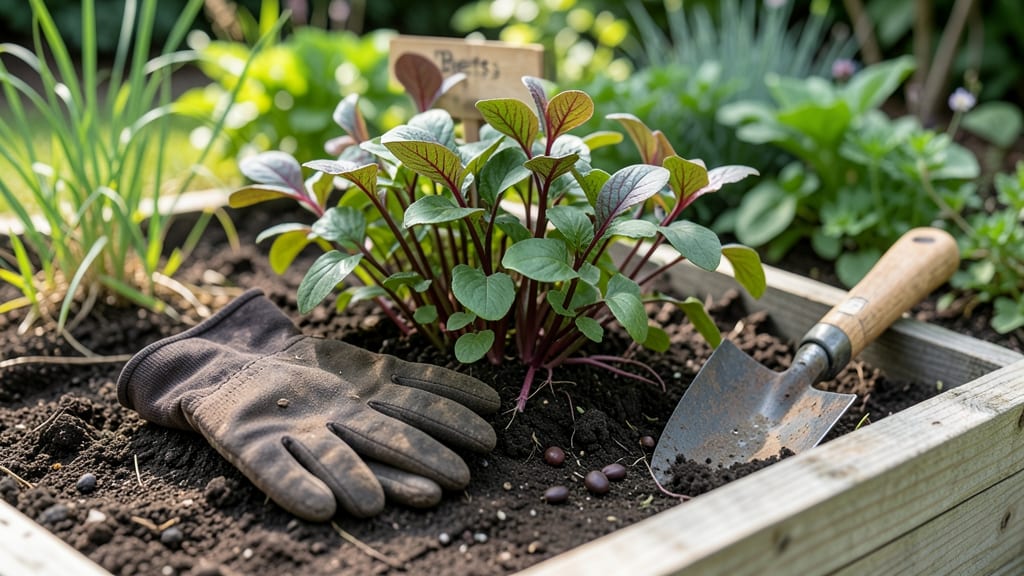
Planting beets in Louisiana might seem tricky with the heat and humidity, but getting the timing right means the difference between sweet, tender roots and bitter, bolted disappointment. The key is avoiding those scorching summer months when your 🍠 beets will rush to flower instead of growing.
If you're in zones 8a-9b, your best bet is to plant in September-October for a fall harvest or February-March for spring. These windows give your beets the cooler weather they crave to develop properly, while also avoiding the extreme heat that triggers bolting.
Louisiana's short growing season means you'll want to plan for succession planting too. By staggering your sowing dates, you can enjoy fresh beets from November through June without gaps. This approach works especially well in humid climates where timing is everything.
Let me show you exactly how to calculate your perfect planting dates based on your local microclimate, plus pro tips to keep your beets thriving despite Louisiana's challenging conditions. You'll have a continuous harvest of delicious roots all season long.
Best planting windows for beets in Louisiana’s humid climate
Louisiana’s humid heat and long summers create unique challenges for growing beets. Unlike cooler climates, beets here bolt (flower prematurely) if exposed to consistent temperatures above 80°F for more than a few weeks.
The key to success? Timing your plantings to align with cooler months when humidity won’t stress your plants.
In Louisiana’s USDA zones 7b-9a, the ideal planting windows are late summer/early fall and late winter/early spring. These periods offer milder temperatures and lower humidity, reducing bolting risks.
For example, New Orleans’ first frost typically arrives around December 1, while Shreveport’s comes slightly earlier—around November 15.
Here’s the critical timeline: Plant your first fall crop in mid-August to early September for harvests before frost. Then, sow a second crop in October for a late-winter harvest. For spring planting, start seeds indoors in February and transplant outdoors after the last frost date (usually February 15).
Notice how April planting carries a high bolting risk due to rising temperatures and humidity. Even a single week above 85°F can trigger bolting, so avoid planting beets outdoors after mid-April unless you’re using shade cloth or row covers.
For continuous harvests, Louisiana gardeners often use a succession planting strategy. Start with one planting in August, followed by another in September, and a third in October. This ensures you have beets ready to harvest from October through December and again in spring.
If you’re in North Louisiana (USDA Zone 8a), like Shreveport, your last frost date comes earlier, so you can push your fall planting into early October. Meanwhile, South Louisiana (Zone 9a), like New Orleans, has a longer growing season, allowing for later October plantings.
Always check your local frost dates to fine-tune your schedule.
Pro tip: Use heat-tolerant varieties like ‘Detroit Dark Red’ or ‘Golden’ for your early fall plantings. These varieties handle short heat spikes better than standard types. Pair them with drip irrigation to keep soil moisture consistent and reduce stress.
Remember, soil temperature matters just as much as air temperature. Beets grow best in soil that’s 55-75°F. Use a soil thermometer to check before planting—if your soil is above 80°F, wait a few weeks or use shade cloth to lower temperatures.
By following these timing guidelines, you’ll avoid the bitter, woody roots that result from bolting. Instead, you’ll enjoy tender, sweet beets all season long—even in Louisiana’s humid climate! 🌱
Best planting windows for beets in Louisiana’s humid climate
Louisiana’s humid heat and short growing season demand precise timing for beet planting. The ideal windows are September-October for fall harvests and February-March for spring. These periods keep soil temperatures between 50°F-75°F, perfect for beet development. Planting outside these windows risks bolting (premature flowering) due to heat stress.
In USDA zones 8a-9b, your last frost typically hits around February 15, while first frost arrives by December 1. This 240-day frost-free window gives you just enough time for two full growing cycles if you plan carefully.
For example, beets sown in late September will mature by November, while spring plantings in early March yield by May.
Microclimates matter in Louisiana. New Orleans (zone 8b) has slightly milder winters than Shreveport (zone 8a), so you can push fall plantings into early October in the south.
Meanwhile, north Louisiana gardeners should start seeds by mid-September to avoid late-season heat. Always check your local average last frost date—it’s your planting deadline.
| Planting Window | Best For | Soil Temp | Harvest Time | Bolting Risk |
|---|---|---|---|---|
| Late September | Fall harvest | 50°F-70°F | November-December | Low |
| Early October | Late fall harvest | 60°F-75°F | December | Moderate |
| February | Spring harvest | 55°F-65°F | April-May | Low |
| March | Early summer harvest | 60°F-70°F | May-June | Moderate |
For succession planting, sow new seeds every 2-3 weeks during your chosen window. This ensures a continuous supply of fresh beets.
For example, if you start your first batch in September 15, follow up with plantings on October 1 and October 15 to extend your harvest through December. This strategy works especially well in Louisiana’s humid climate, where quick soil warming can jumpstart growth.
If you’re tempted to plant in August for an early fall harvest, proceed with caution. Beets planted too early face heat stress as temperatures climb above 80°F. Instead, opt for heat-tolerant varieties like ‘Detroit Dark Red’ or use shade cloth to protect young seedlings.
Always prioritize cool-season planting—your beets will thank you with sweet, tender roots.
Remember: Soil preparation is just as critical as timing. Amend your beds with compost and a balanced fertilizer (5-10-10) before planting. Louisiana’s clay-heavy soils benefit from organic matter to improve drainage and prevent waterlogging—another key to avoiding bolting.
With the right timing and soil prep, you’ll enjoy homegrown beets that rival store-bought in flavor and texture.