
Plants
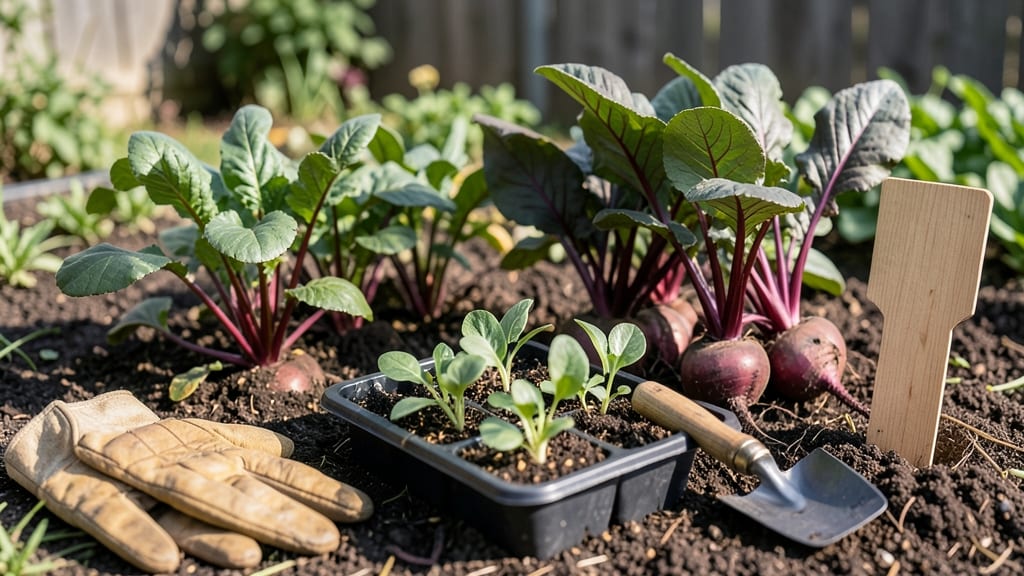
Timing your beet planting in Oregon wrong could mean waiting months for those sweet, earthy roots—or worse, watching them bolt before they even get started. The 🍠 thrives when soil temperatures hit 45°F and stay warm, but Oregon’s 7b-9a zones throw a curveball with unpredictable frost dates and microclimates.
Whether you’re in the lush Willamette Valley or the arid High Desert, getting the timing right is the key to a steady harvest from June through November.
I’ll break down the exact windows—March-April for spring plantings and August-September for fall—that work best for your region, plus how to stretch your harvest with succession planting.
You’ll also learn how to test soil warmth (without fancy tools) and adjust for late frosts that can sneak up even in Zone 9a. No more guessing—just a clear, foolproof plan to grow beets that are bold, sweet, and ready when you need them.
Let’s dive into the perfect planting schedule so you can enjoy homegrown beets all season long—no more waiting for store-bought or settling for sad, shriveled roots.
Oregon beet planting calendar: best months by microclimate Zone
Oregon’s diverse climate means Willamette Valley gardeners enjoy a longer growing season than those in the High Desert or Coastal regions. Beets thrive when soil temperatures hover between 45°F and 75°F, making timing everything for consistent germination and harvest.
Let’s break down the ideal planting windows for each zone to maximize your beet yield.
For spring plantings, aim to sow seeds 4-6 weeks before your last frost date. In most of Oregon, this lands in mid-March to early April. Fall plantings should happen 8-10 weeks before the first frost, typically late August to early September.
These windows ensure your beets mature before cold snaps stunt their growth or turn roots woody.
Here’s how Oregon’s three key zones differ in their frost-free windows and ideal planting times:
If you’re in the Willamette Valley, you can stretch your harvest by planting succession crops every 2 weeks from March through May. This technique ensures a steady supply of fresh beets all summer long.
For High Desert gardeners, focus on fast-maturing varieties like Detroit Dark Red to beat the shorter season.
Coastal gardeners have the advantage of milder winters, allowing for extended fall harvests. Don’t hesitate to plant a late-summer crop in August—just cover seedlings with frost cloth if temperatures drop unexpectedly.
The key is to start seeds when soil temps hit 50°F consistently, even if air temps are cooler.
Pro tip: Use a soil thermometer to confirm readiness. Beets won’t germinate well in cold soil, so wait for that 50°F threshold before sowing. Patience here pays off with bold, sweet roots instead of stunted sprouts.
For those in Zone 8 or higher (like the Umpqua Valley), you might even squeeze in a winter harvest by planting in late September and using row covers to protect tender greens. Just be prepared to harvest before the ground freezes.
Remember, Oregon’s microclimates can vary dramatically even within short distances. Check local Oregon State University Extension resources or your nearest Cooperative Extension office for hyper-local frost date data. With the right timing, your beet patch will reward you with vibrant, harvest-ready roots all season long.
Soil temperature secrets: how to test and adjust for beet success
Beets are cool-season crops that germinate best when soil temperatures hover between 45°F and 75°F. In Oregon, this means waiting until late winter or early spring for most regions, but the High Desert can warm up faster—sometimes as early as February.
I’ve learned the hard way that planting too soon in Zone 7b can leave seeds sitting in cold soil for weeks, while waiting too long risks bolting before harvest.
To avoid these pitfalls, I check soil temperature using a simple soil thermometer (or even a reliable digital meat thermometer if you’re pinched for cash). Stick it 2 inches deep—that’s where beet seeds sit—and wait 10 minutes for an accurate reading.
If it’s below 45°F, your seeds won’t germinate, no matter how hard you water.
🌱 Pro Tip: Morning is the best time to test—soil is cooler then and gives you a heads-up on daily fluctuations.
⚠️ Warning: Late Frosts Can Ruin Your Beets
Even if soil is warm, a late frost (common in Oregon’s Willamette Valley until mid-April) can kill tender seedlings. Use row covers or cold frames to protect young plants until they’re 4 inches tall. I’ve saved entire plantings this way—no more watching frost turn my hard work to mush!
If your soil is too cold, don’t panic. You can extend the season with black plastic mulch or straw bales to warm it up faster. Spread them over the bed a week before planting to give the soil a 5-10°F boost.
This trick works especially well in Zone 9a areas like Medford, where spring arrives early.
For fall plantings, aim for August-September when soil cools back down. Beets planted in July’s heat often bolt before maturing. I like to test soil again in late summer—if it’s below 75°F by afternoon, it’s safe to sow seeds for a late-season harvest.
💧 Watering Wisdom: Keep soil consistently moist (not soggy) during germination. A light misting every 2-3 days helps maintain that 45°F-75°F sweet spot. Once seedlings emerge, water deeply once a week to encourage strong root development.