
Plants
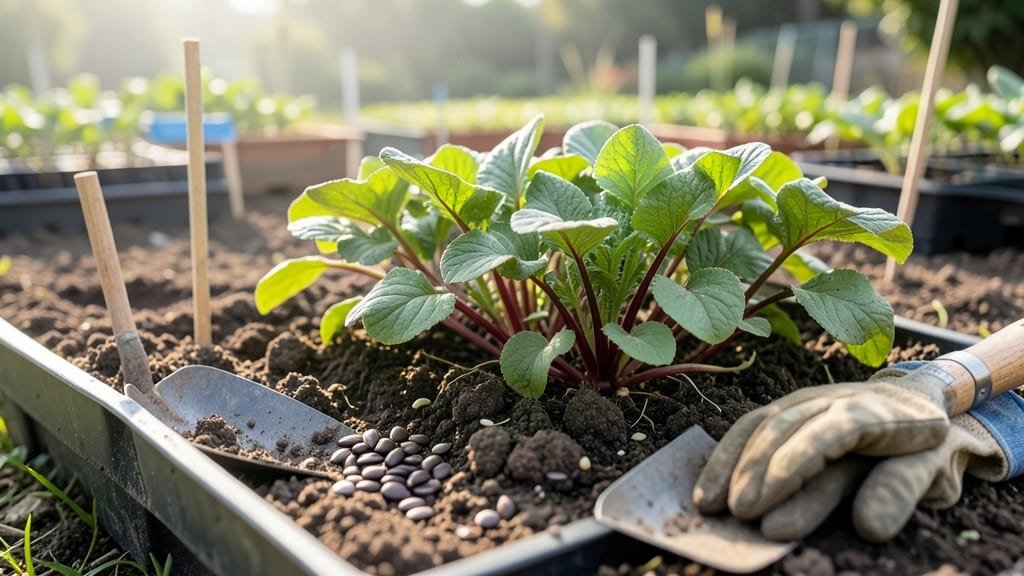
If you're wondering when to plant beets in South Carolina, timing is everything—get it wrong, and you'll end up with bitter, woody roots or a crop lost to heat. The key lies in understanding your region's microclimates, whether you're near the coast in Charleston or inland in Greenville.
Beets 🍠 thrive in South Carolina's 7b-8a zones, but coastal areas stay warmer longer, while inland spots can still see frost into April. Planting too early risks frost damage, while waiting too long means summer's relentless heat will make your beets bolt before you can harvest.
For the best results, start seeds in early spring (March-April) or late summer (July-August) to align with soil temperatures and avoid extreme weather. This two-season approach ensures a steady supply of sweet, tender roots from May through October.
In this guide, I'll break down the perfect planting schedule for your specific corner of the state, plus pro tips to extend your harvest and avoid common mistakes that ruin beet crops in SC's unpredictable climate.
Best planting times for beets in South Carolina by region
South Carolina’s diverse climate means your beet planting schedule should depend on whether you’re in the coastal Lowcountry (like Charleston) or the inland Piedmont (like Columbia). Coastal areas have milder winters, while inland zones experience earlier frosts—both affect when to sow seeds for the sweetest harvests.
Beets thrive in soil temperatures between 50°F and 85°F. If you plant too early when soil is still cold, seeds rot; too late, and summer heat causes them to bolt prematurely. The key is aligning your planting with local frost dates and heat tolerance of your chosen varieties.
For coastal SC (USDA Zones 7b-8a), your last frost date is March 15, while inland areas face frost until March 20-25. This means inland gardeners should start 2-3 weeks later than coastal growers to avoid frost damage.
🌱 South Carolina Beet Planting Schedule by Region
| Region | Spring Planting | Summer Planting | Fall Planting | Soil Temp |
|---|---|---|---|---|
| Coastal (Charleston, Hilton Head) | Feb 15 - Mar 15 | Jul 1 - Aug 15 | Aug 15 - Sep 15 | 50°F+ |
| Inland (Columbia, Greenville) | Mar 1 - Apr 1 | Jul 15 - Aug 30 | Sep 1 - Sep 30 | 55°F+ |
| Mountains (Asheville area) | Apr 1 - May 1 | Aug 1 - Sep 15 | Sep 15 - Oct 15 | 60°F+ |
🌡️ Use a soil thermometer to confirm readiness—beets won't germinate below 50°F!
For spring plantings, coastal gardeners can start as early as mid-February, while inland areas should wait until early March. This timing ensures seeds germinate in warm enough soil (50°F+) while avoiding late frosts that can kill young seedlings.
Summer plantings are trickier—beets hate extreme heat above 85°F, which causes them to bolt. In coastal SC, aim for July 1, while inland areas can extend to mid-August when temperatures start dropping. Use shade cloth if your summer heat persists past 90°F.
Fall plantings offer a second harvest window. Coastal areas can sow seeds until mid-September, while inland gardeners should finish by late August to allow time for roots to mature before the first frost (mid-November). Choose cold-hardy varieties like 'Detroit Dark Red' or 'Golden' for fall success.
Pro tip: Succession plant every 2 weeks in spring and fall to ensure a continuous harvest. For example, if you plant March 1, March 15, and March 30, you’ll have beets ready at different times—perfect for fresh salads all season!
Always check your local frost dates using the SC State Climate Office or Almanac for precise timing. Microclimates near large bodies of water (like lakes or rivers) may also delay frosts by 1-2 weeks, giving you extra growing time.
🌱 For best results, pair your beet planting with companion plants like lettuce, radishes, or onions—they thrive in the same conditions and help deter pests like leaf miners.
Best planting times for beets in South Carolina by region
South Carolina’s USDA zones 7b-8a mean your coastal areas (like Charleston) enjoy milder winters, while inland zones (Columbia, Greenville) face earlier frosts. This creates two distinct planting windows for beets—spring and fall—with coastal regions having a 2-3 week advantage over inland areas.
For coastal SC, start seeds indoors in late February or direct-sow outdoors in March once soil temps hit 50°F. Inland gardeners should wait until mid-March to avoid frost damage, aiming for April 1 as the safest outdoor planting date.
Both regions can also plant late summer beets (July-August) for fall harvests.
| Region | Spring Planting Window | Fall Planting Window | Soil Temp for Germination | Last Frost Date |
|---|---|---|---|---|
| Coastal (Charleston, Hilton Head) | Late Feb - Early Apr | Late July - Early Aug | 50°F+ | March 15 |
| Inland (Columbia, Greenville) | Mid-Mar - Mid-Apr | Early July - Mid-Aug | 50°F+ | March 1 |
Use heat-tolerant varieties like 'Detroit Dark Red' for summer plantings, as they handle 90°F+ temps better than traditional types. For spring, 'Golden' and 'Chioggia' varieties thrive in cooler conditions. Always test soil temps with a thermometer—beets won’t germinate below 50°F.
Pro tip: Coastal gardeners can plant beets year-round in microclimates like protected raised beds, while inland growers should focus on spring and fall windows. Mulch heavily in late summer to extend fall harvests by 4-6 weeks before first frost.
Never plant beets where tomatoes, onions, or other nightshades grew last season—they share pests and diseases. Instead, rotate with beans, lettuce, or cucumbers for healthier soil and better yields.
For container growing, use 5-gallon pots with well-draining mix and plant seeds 1 inch apart. Coastal balconies can enjoy two harvests per year with proper timing, while inland containers need row covers for early spring protection.