
Plants
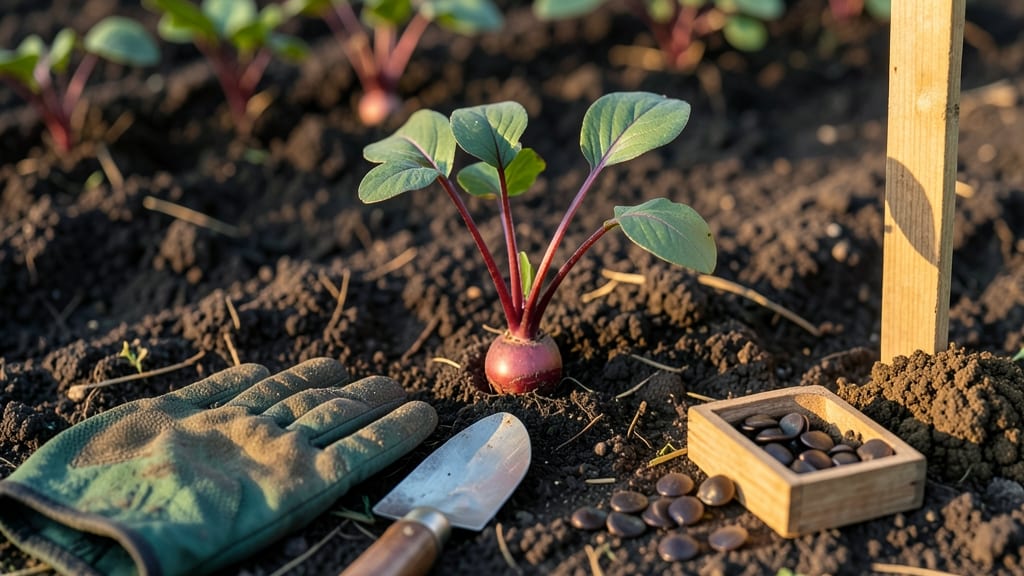
Timing your beet planting in Utah can mean the difference between a bountiful harvest of sweet, tender roots and a bitter disappointment of bolted greens.
Utah’s 5-7 USDA zones and dramatic shifts from scorching summers to early frosts demand precision—plant too early, and you risk bolting; too late, and your 🍠 might never mature.
Most gardeners in Utah swear by spring planting between March and April for that perfect balance of cool soil and warming days. But here’s the catch: elevation plays a huge role.
High desert areas like Salt Lake City might need to push planting back a week or two compared to warmer southern regions like St. George. The key? Pay attention to your last frost date—typically around April 15—and plant seeds 4–6 weeks beforehand.
Don’t overlook fall planting either! August through September offers a second chance for beets, especially if you’re in Utah’s cooler mountain zones. With the right variety and a little protection from early frosts, you can enjoy harvests well into October or November.
I’ll show you exactly how to time it right for both seasons, including tricks for succession planting that keep your garden productive all year.
Ready to grow beets that thrive in Utah’s tricky climate? Let’s dive into the best planting windows, soil prep secrets, and variety choices that’ll have you harvesting sweet, plump roots—not bitter bolts—all season long.
Utah’s ideal beet planting windows by microclimate
Utah’s diverse climate—from the Wasatch Front’s milder winters to the high desert’s extreme temperature swings—means your beet planting strategy must adapt. The average last frost date in most Utah regions is mid-April, but elevation and microclimates shift this window significantly.
For example, Salt Lake City (Zone 6b) can plant 2-3 weeks earlier than St. George (Zone 8a), where fall planting becomes the safer bet.
To avoid bolting (when beets flower prematurely and become woody), aim for soil temperatures between 50°F and 70°F.
In Utah’s high desert, this often means starting seeds indoors by late February or direct-sowing in early March, while southern Utah gardeners can wait until late March or early April for cooler nights.
Here’s how to align your planting with Utah’s three key microclimates—each with its own frost risks and growing season length.
| Microclimate | Spring Planting Window | Fall Planting Window | Key Consideration |
|---|---|---|---|
| Wasatch Front (e.g., Salt Lake City, Provo) | March 15–April 15 | August 15–September 15 | Last frost: April 15; use row covers for early starts. |
| High Desert (e.g., Logan, Price) | April 1–April 30 | September 1–October 1 | Soil warms slower; prioritize cold-hardy varieties like ‘Detroit Dark Red’. |
| Southern Utah (e.g., St. George, Cedar City) | Late March–early April | August–September (best bet) | Heat tolerance critical; plant shade cloth for summer starts. |
For high-elevation gardens (above 7,000 feet), like those in Park City or Moab, extend your spring window by 1-2 weeks and focus on fall planting. The first frost in these areas can arrive as early as September 15, so aim to harvest by then.
Use succession planting every 2 weeks in spring to stagger harvests and avoid gaps.
In southern Utah, where summers exceed 90°F, beets bolt quickly. Fall planting is your best strategy—start seeds mid-August for a October-November harvest before hard frosts. Mulch heavily with straw or wood chips to keep roots cool and moist during Utah’s dry, intense summers.
Pro tip: Test your soil temperature with a soil thermometer before planting. Beets need consistent warmth—if temps dip below 50°F, growth stalls, and roots turn tough. In northern Utah, this often means waiting until after Easter for reliable results.
Elevation matters more than latitude in Utah. A garden at 10,000 feet (e.g., near Sundance) will have a shorter growing season than one at 4,200 feet (e.g., Spanish Fork). Adjust your planting dates 1 week later for every 1,000 feet in elevation. For example, if Salt Lake City’s window is March 15–April 15, a Ogden garden (6,200 feet) should shift to April 1–April 30.
To maximize your harvest, pair spring and fall plantings with cold frames or low tunnels. These tools push your last spring harvest into early June and your first fall harvest as early as September.
Just ensure your frame doesn’t overheat—Utah’s July temps can exceed 100°F, cooking beets in the ground.
Finally, track your local frost dates using Utah’s USU Extension Climate Smart Yard tool or the National Weather Service’s historical data. In 2023, unexpected late-May frosts hit Cache Valley, catching many gardeners off guard.
By planning 2 weeks before your area’s average last frost, you’ll avoid these surprises.
With these microclimate adjustments, you’ll grow sweet, tender beets instead of bitter, bolted greens—no matter where in Utah you garden. 🌱
Utah’s ideal beet planting windows by microclimate
Utah’s diverse microclimates mean your beet planting schedule should vary dramatically depending on where you live. The Wasatch Front (like Salt Lake City) has cooler springs and earlier frosts, while southern Utah (like St. George) enjoys longer growing seasons.
Even within USDA zones 5-7, elevation changes can shift your ideal planting window by 2-3 weeks.
For most of Utah, the primary planting window is March through April—about 4-6 weeks before your last frost date (typically April 15). This gives seeds time to germinate in 50-60°F soil before summer heat arrives.
However, high-elevation areas (above 6,000 feet) may need to start 2 weeks earlier to avoid bolting.
Here’s how to adjust your timing based on Utah’s key regions:
| Region | Spring Planting Window | Fall Planting Window | Key Considerations |
|---|---|---|---|
| Wasatch Front (Salt Lake City) | March 15 – April 15 | August 1 – September 1 | Cooler nights; use row covers for early/late plantings |
| Northern Utah (Ogden, Logan) | March 1 – April 10 | July 20 – August 15 | Higher elevation; shorter season; prioritize cold-hardy varieties |
| Southern Utah (St. George) | February 15 – March 30 | September 1 – October 15 | Longer season; heat-tolerant varieties recommended |
| High Desert (Moab, Price) | April 1 – May 1 | July 1 – August 10 | Dry climate; mulch heavily to retain moisture |
Don’t overlook fall planting, which offers a second harvest in Utah. For August-September plantings, aim to harvest before first frost (October 15). In cooler mountain areas, you might even extend this to November with row covers or a cold frame.
The key is choosing fast-maturing varieties (like ‘Babybeat’) that can reach harvest in 45-50 days.
Pro tip: Test your soil temperature before planting—beets need soil at least 50°F to germinate. Use a soil thermometer or wait until spring crocuses bloom, a natural indicator of safe planting time in Utah.
If your soil is too cold, cover seeds with black plastic mulch to warm it faster.
For succession planting, sow new seeds every 2 weeks from March through May to ensure a continuous harvest. This works especially well in Utah’s longer southern regions where summers aren’t as intense.
Just remember: avoid planting in July-August unless you’re in a high-elevation area, as heat stress will cause bolting.