
Plants
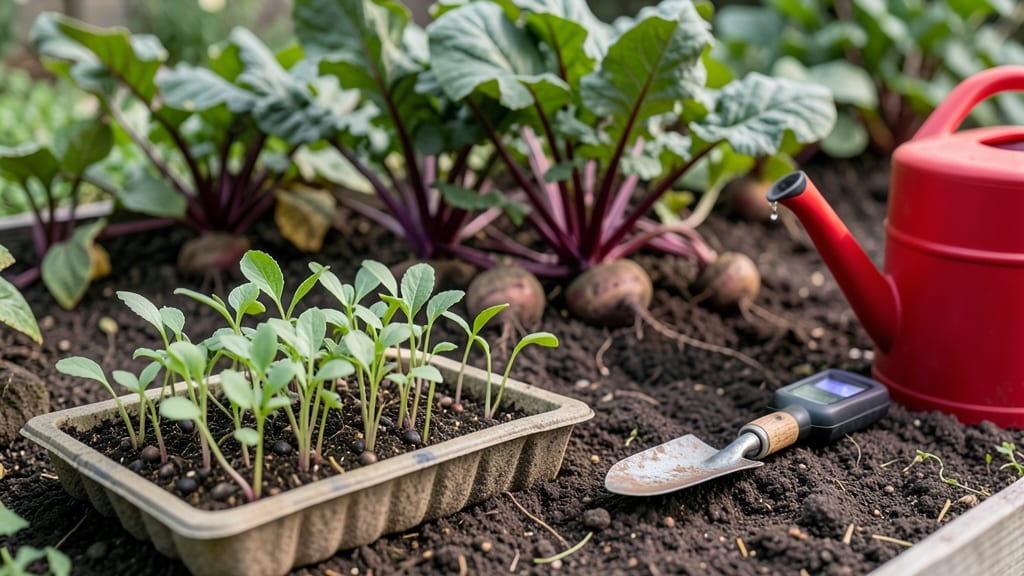
Knowing when to plant beets in Zone 6b can mean the difference between a thriving harvest and bolting before you even get to taste them. The key isn't just the calendar date—it's soil temperature, which most gardeners overlook when planning their beet schedule.
In Zone 6b, where last frost typically hits around April 15, you have two prime opportunities to plant your 🍠—early spring and late summer. But timing these windows wrong can lead to slow germination or bitter-tasting beets.
I'll show you exactly how to align your planting with soil temps between 40°F and 85°F for the fastest, most reliable results.
Whether you're a first-time gardener or a seasoned pro, getting this right ensures you'll enjoy sweet, tender beets all season long. No more guessing—just science-backed planting dates that work for your climate. Let's dive into the details that will transform your beet harvest.
You'll discover how to prepare your soil, adjust for unpredictable spring weather, and even use succession planting to keep fresh beets coming all summer. By the end, you'll have a foolproof plan to grow beets that are fast-growing, flavorful, and ready when you need them.

Optimal planting windows for beets in Zone 6b (soil temp guide)
If you’ve ever planted beets in Zone 6b only to watch them bolt prematurely or struggle to germinate, you’re not alone. The key to success lies in understanding soil temperature triggers—not just air temperature.
Beets thrive when soil stays between 40°F and 85°F, with ideal germination occurring at 60°F–70°F. In Zone 6b, this means two prime planting windows: early spring and late summer, each with its own deadlines.
For most Zone 6b gardeners, the last frost date falls around April 15, but soil warms more slowly. Planting 2–4 weeks before this date gives seeds time to germinate without risking frost damage.
Meanwhile, late summer plantings should start 8–10 weeks before the first frost (around October 15) to ensure harvests before cold sets in.
Here’s the critical rule: Never plant when soil temps dip below 40°F—beet seeds won’t germinate, and seedlings will rot. Use a soil thermometer to check depths of 2–3 inches before sowing. If temps are too cold, wait or use row covers to warm the soil faster.
🌱 Zone 6b Beet Planting Timeline
| Season | Planting Window | Soil Temp Range | Key Deadlines |
|---|---|---|---|
| Early Spring | March 1–April 1 | 45°F–60°F (germination at 60°F+) | Stop by April 15 (last frost) |
| Late Summer | July 15–August 15 | 60°F–85°F (ideal 70°F–80°F) | Harvest by October 1 (first frost) |
| Fall (Risky) | September 1–15 | 50°F–65°F (fast germination) | Harvest before October 15 |
✅ Pro Tip: For spring plantings, start seeds indoors 4–6 weeks before the last frost to get a head start.
Spring plantings in Zone 6b often face unpredictable temperature swings. If nights stay below 50°F for more than a week, beets may bolt (send up flowers) to survive.
To prevent this, choose bolt-resistant varieties like ‘Detroit Dark Red’ or ‘Golden’ and use black plastic mulch to warm the soil faster.
For late summer plantings, focus on succession sowing every 2 weeks from July to August. This stretches your harvest window and reduces bolting risk. Avoid planting after August 20, as days shorten too quickly, and beets may not mature before frost.
One common mistake is planting beets too early in cold soil. If seeds sit in below-50°F soil for more than a week, they’ll rot. Test soil temps daily if spring is slow to warm.
If temps hover around 45°F–50°F, cover rows with lightweight row fabric to accelerate warming by 5–10°F.
Zone 6b’s short growing season (about 165 frost-free days) means timing is everything. By aligning plantings with soil temperature thresholds and deadlines, you’ll avoid the two biggest beet-growing pitfalls: slow germination and premature bolting. With these windows mastered, you’ll enjoy fresh beets from June through November.
🌱
Optimal planting windows for beets in Zone 6b (soil temp guide)
In Zone 6b, beets thrive when planted during two key windows: early spring and late summer. The secret to success? Soil temperature—not just air temperature.
Beet seeds need soil between 40°F and 85°F to germinate reliably. Plant too early, and they’ll rot; too late, and they’ll bolt before harvest.
For early spring plantings, aim for when your soil reaches 40°F consistently. In Zone 6b, this typically falls between mid-March and early April, about 4-6 weeks before your last frost date (usually April 15).
This timing ensures your beets have 60-70 days to mature before summer heat sets in.
Late summer plantings are your second chance for a fall harvest. Start seeds when soil temps drop below 85°F, usually around mid-July to early August. This gives your beets enough time to reach maturity before the first frost (October 15) while avoiding the heat that triggers bolting.
🌱 Zone 6b Beet Planting Timeline
| Planting Window | Soil Temp | Month | Days to Harvest |
|---|---|---|---|
| Early Spring | 40°F–60°F | March–April | 50–60 days |
| Late Summer | 65°F–85°F | July–August | 45–55 days |
| Fall Extension | 50°F–65°F | September | 40–50 days |
🌡️ Pro Tip: Use a soil thermometer to confirm temps before planting—don’t guess!
If you’re eager to start even earlier, you can sow seeds indoors 4-6 weeks before your target outdoor date. Use small pots with well-draining soil and keep them in a sunny window or under grow lights. Transplant seedlings outdoors once soil warms to 50°F and all frost risk has passed.
For a continuous harvest, consider succession planting every 2 weeks after your initial sowing. This ensures you’ll have fresh beets ready to pick throughout the growing season. Just remember: beets are cool-season crops, so avoid planting when daytime temps exceed 75°F for extended periods.
By following these soil temperature guidelines, you’ll avoid the two biggest beet-growing pitfalls: slow germination in cold soil and bolting from heat stress. With the right timing, you’ll enjoy tender, sweet beets all season long—no bitter surprises included!