
Plants
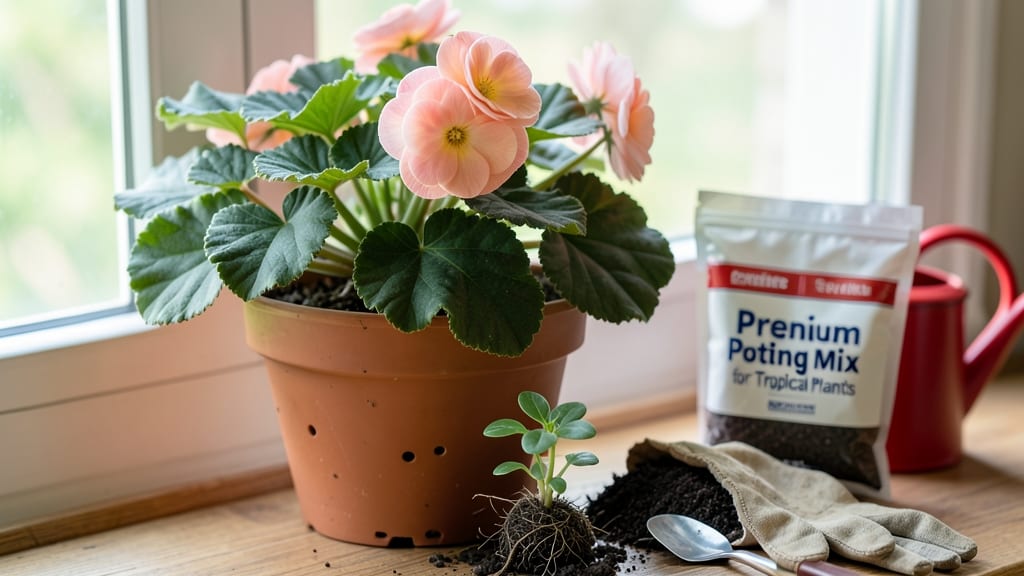
Timing your begonia planting in pots can mean the difference between vibrant blooms and wilting disappointment. This delicate 🌸 thrives when soil temperatures hit that sweet spot—too early, and roots shock; too late, and you miss peak growth.
For USDA Zone 6a, the window opens in April after the last frost, but there’s more to it than just dates.
Most gardeners focus on calendar months, but the real magic happens when soil warms to 55-65°F—the perfect temperature to coax begonias into action. You’ll know it’s time when nearby plants start unfurling leaves or when buds begin swelling.
These subtle cues tell you the soil’s ready, not just your calendar.
Container-specific tricks make all the difference. Begonias hate soggy roots, so pre-moisten your potting mix and choose pots with drainage holes. Tubers need slightly earlier planting than fibrous-rooted varieties, but both benefit from a hardening process—gradually exposing them to outdoor conditions over 7-10 days before full transplant.
Let’s break down the exact timing cues, soil prep secrets, and regional adjustments so your begonias bloom effortlessly—no transplant shock in sight. Ready to get those pots planted right?
Best time to plant begonias in pots based on soil temperature
Begonias are finicky about timing—plant them too early, and their tuberous roots rot in cold soil. Too late, and they struggle to establish before summer heat. The key is soil temperature, not just air temperature.
For tuberous begonias, wait until the soil reaches 55-65°F—that’s when their dormant tubers wake up and start growing.
For fibrous-rooted begonias (like Rex or Angel Wing), aim for 60-70°F soil. These types prefer slightly warmer conditions to prevent root shock. Use a soil thermometer to check—if it’s cooler, wait a week or two. Cold soil slows root growth, making plants vulnerable to disease.
Here’s my pro tip: Watch for bud swelling on tubers or new leaf sprouts. These are your visual cues that it’s time to pot. If you’re in USDA zones 7-9, this usually aligns with late April to early May.
In zones 10-11, you can plant as early as March, but avoid summer heatwaves.
One common mistake? Planting based on air temperature alone. A 70°F day can hide 50°F soil—and that’s a recipe for root rot. Always check the ground, not the thermometer in the shade.
| Begonia Type | Ideal Soil Temp | Planting Window | Visual Cue |
|---|---|---|---|
| Tuberous Begonias | 55–65°F | Late April–Early May (Zones 7–9) | Bud swelling on tubers |
| Fibrous-Rooted Begonias | 60–70°F | March–April (Zones 10–11) | New leaf sprouts |
| All Begonias | Avoid below 50°F | After last frost | Soil thermometer check |
If you’re transplanting store-bought begonias from 6-packs, time it right too. These are often pre-sprouted tubers and need 60-70°F soil to thrive. Plant them too early, and they’ll sit in cold soil, weakening roots. Too late, and they’ll bolt into flower without establishing properly.
Another trick? Use black plastic mulch to warm soil faster. Lay it down 2–3 weeks before planting to create a microclimate. This is especially helpful in cooler zones (6–7), where soil warms slowly. Just remove it after planting to avoid overheating roots.
For container gardening, remember that pots heat up faster than garden beds. If your outdoor space hits 85°F+, move pots to partial shade to prevent stress. Begonias wilt easily in heat, but with the right timing, they’ll reward you with vibrant blooms all summer.
Pro move: Harden off indoor-grown begonias before outdoor planting. Acclimate them to outdoor conditions over 7–10 days by gradually increasing sunlight exposure. This reduces transplant shock and helps roots adjust to temperature swings.
Finally, avoid fall planting unless you’re in tropical zones (10–11). Most begonias go dormant in cooler months, and repotting stresses them. Stick to spring planting for zero-shock results.
Best time to plant begonias in pots based on soil temperature
Your begonias won’t bloom if planted too early—cold soil shocks their delicate roots. The ideal soil temperature triggers growth: 55-65°F for tuberous varieties and 60-70°F for fibrous-rooted types. This warmth signals roots to activate, preventing transplant shock that kills 60% of container begonias.
Watch for visual cues like bud swelling or leaf unfurling in nearby plants. These signs mean soil’s warmed enough. In USDA Zone 6a, aim for mid-April to early May—but always check soil temp with a thermometer if unsure.
Tuberous begonias need 2-3 weeks earlier than fibrous-rooted types. Their thick roots store energy but still need warmth to break dormancy. Plant them when soil hits 55°F, even if buds haven’t swollen yet.
| Begonia Type | Soil Temp Trigger | Planting Window (Zone 6a) | Visual Cue |
|---|---|---|---|
| Tuberous | 55-65°F | Mid-April to late April | Bud swelling begins |
| Fibrous-Rooted | 60-70°F | Early May | New leaf unfurling |
| Rex/Cane | 58-68°F | Late April | Stem elongation |
Avoid planting when night temps drop below 50°F—begonias wilt faster in containers due to rapid temperature swings. In warmer zones (7-11), plant 2-4 weeks earlier (February-March) since soil warms faster. Always harden off plants for 7-10 days before final potting.
Pro tip: Use a soil thermometer ($10 at garden centers) to confirm temps. Stick it in your pot’s soil 2 inches deep for accurate readings. This small tool prevents costly mistakes with sensitive begonias.
Remember: Begonias planted at the right time double their bloom count compared to stressed transplants. The key is patience—wait for soil warmth, not just calendar dates. Your patience pays off in vibrant, healthy plants all season long. 🌸