
Plants
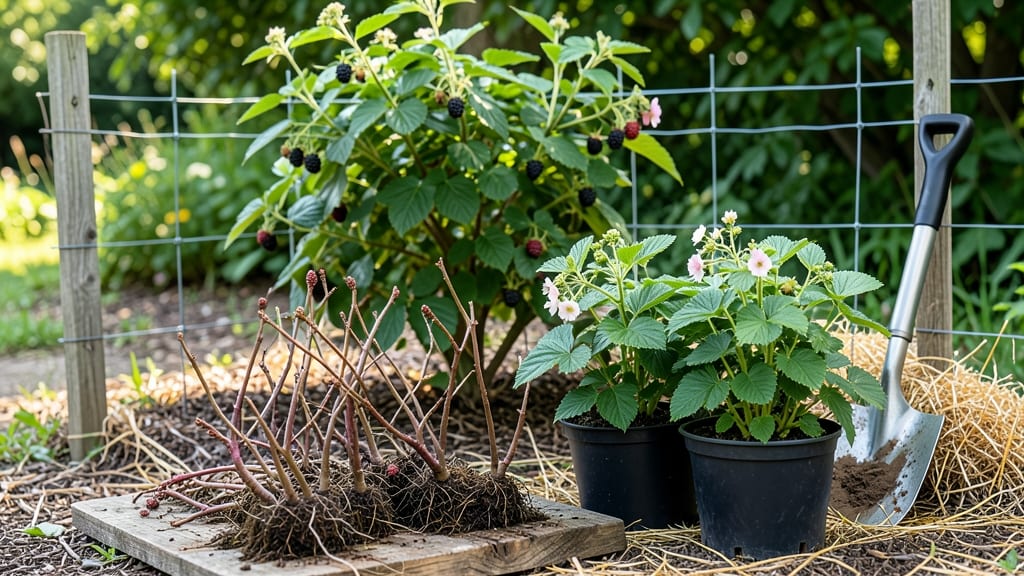
Timing your blackberry planting in Indiana can mean the difference between thriving canes and frost-damaged dreams—especially in zones 5b-6b where late springs are common. The perfect window is early spring (March-April) or late fall (October-November), but getting it wrong risks weak root establishment or winter kill.
Why does this matter? Because Indiana’s unpredictable frost dates (often around mid-April) force growers to balance patience with action. Plant too early, and tender roots freeze; too late, and your blackberries 🫐 struggle to establish before summer heat arrives.
I’ll show you exactly how to read your local climate cues and pick the best moment for your patch.
We’ll also cover variety selection—thornless types like ‘Natchez’ or ‘Arapaho’ thrive here—and soil prep tricks to outsmart Indiana’s heavy clay. Whether you’re a first-time gardener or a seasoned berry grower, these zone-specific tips will help you avoid common pitfalls and set your blackberries up for a bountiful June-July harvest.
Ready to plant with confidence? Let’s dive into the exact timing and prep steps that’ll give your blackberries the best shot at success in your backyard.
Best planting months for blackberries in Indiana’s zones 5-6
Indiana’s USDA zones 5-6 demand precise timing for blackberry planting to avoid late spring frosts or winter dieback. The ideal window spans early spring (March–April) and late fall (October–November), when soil temperatures hover between 40°F and 60°F—perfect for root establishment without stress.
Spring planting offers earlier harvests but risks transplant shock if frosts linger. Fall planting, however, lets canes establish roots before winter, reducing first-year fruiting but improving long-term vigor. Both methods work in Indiana, but your choice hinges on local frost dates and soil workability.
🌱
Blackberry Planting Timeline for Indiana
| Season | Month | Soil Temp | Frost Risk | Best For |
|---|---|---|---|---|
| Spring | March | 40–50°F | High (late frosts) | Bare-root plants |
| Spring | April | 50–60°F | Moderate | Potted plants |
| Fall | October | 50–60°F | Low | Root establishment |
| Fall | November | 40–50°F | None | Late-season prep |
⏰ Key: Soil temp = critical for root growth; Frost risk = Indiana’s last frost averages mid-April.
For spring planting, aim to plant 2–3 weeks before Indiana’s average last frost date (typically mid-April). This gives canes time to root before new growth emerges. In northern Indiana (Zone 5b), opt for early March planting with row covers to shield young plants.
Fall planting in October–November is ideal for bare-root blackberries, as cooler temps reduce transplant shock. Choose thornless varieties like ‘Natchez’ or ‘Cheyenne’, which thrive in Indiana’s climate and produce earlier fruit than wild types.
Soil preparation is non-negotiable: Indiana’s clay-heavy soils drain poorly, so amend with compost and sand to a depth of 12 inches. Test your soil’s pH (5.5–6.5)—blackberries hate alkaline conditions. Add sulfur or peat moss if needed to lower pH before planting.
🌡️
If you miss the ideal window, potted blackberries offer flexibility—they can be planted throughout spring and early fall (until soil temps drop below 50°F). However, late spring plantings (May) risk reduced first-year yields due to heat stress.
Always mulch heavily (4–6 inches of straw) to retain moisture and insulate roots.
Pro tip: Use blackberry-specific fertilizer (high in phosphorus and potassium) at planting to jumpstart root growth. Avoid nitrogen-heavy fertilizers, which promote leafy growth over fruit—a common mistake in Indiana’s humid climate.
☀️
Best planting months for blackberries in Indiana’s zones 5-6
Indiana’s USDA zones 5b-6b create a unique challenge for blackberry growers—late spring frosts can delay planting while summer heat arrives quickly. The optimal window is early spring (March-April) or late fall (October-November), when soil temperatures stay above 40°F (4°C) but air temperatures remain mild.
Spring planting gives canes 6-8 weeks to establish roots before summer stress, while fall planting allows roots to grow in cool soil without competing with summer heat. Both methods avoid Indiana’s late April frost risks that can damage tender new growth.
📅 Indiana Blackberry Planting Timeline
| Season | Ideal Month | Soil Temp | Key Consideration |
|---|---|---|---|
| Spring | March-April | 40-50°F (4-10°C) | Avoid frost; wait until 3 weeks before last frost |
| Fall | October-November | 50-60°F (10-15°C) | Plant 6-8 weeks before first frost (mid-October) |
⚠️ Late spring planting (May) risks transplant shock during Indiana’s heat waves.
For spring planting, aim for March 15-April 15 in southern Indiana (Zone 6b) and April 1-15 in northern areas (Zone 5b). Test soil moisture—dry, workable soil (not muddy) is ideal. In clay-heavy Indiana soils, amend with compost or sand to improve drainage.
Fall planting offers a second chance if spring timing missed you. Plant October 1-November 15, focusing on root establishment before winter dormancy. Mulch heavily (4-6 inches) with straw or leaves to insulate roots from freeze-thaw cycles common in Indiana winters.
Both seasons require full-sun locations (6+ hours daily) and well-draining soil with a pH of 5.5-6.5. Indiana’s humid summers demand airflow between canes—space plants 4-6 feet apart in rows 8-10 feet apart to prevent fungal diseases like anthracnose.
Pro tip: Use blackberry varieties adapted to Indiana, like ‘Triple Crown’ (thornless) or ‘Chester’ (cold-hardy), which thrive in Zone 5-6 climates. These varieties handle Indiana’s temperature swings better than tender southern types.