
Plants
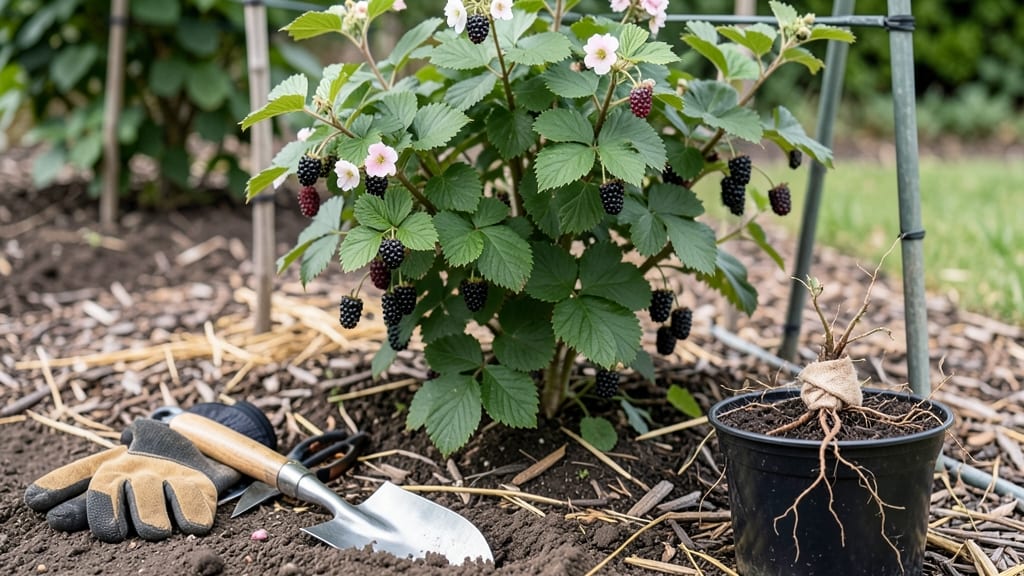
Timing your blackberry planting in Ohio right can mean the difference between a thriving 🫐 patch and struggling canes that never produce fruit. With Ohio's Zone 6a climate, you’ve got two prime windows—spring and fall—but getting it wrong could leave your bushes fighting for survival.
Most gardeners rush to plant as soon as the ground thaws, but Ohio’s unpredictable spring frost dates (often around April 15) mean waiting just a little longer could save your plants. The key? Matching your variety’s chill-hour needs with Ohio’s microclimates—whether you’re growing primocanes or floricanes.
I’ve tested the best methods over the years, and what works in northern Ohio might fail in the southern part of the state. From soil temperature checks to the perfect spacing for your 🫐 bushes, I’ll walk you through exactly when to plant—and how to prepare your soil for success.
Ready to grow blackberries that burst with flavor? Let’s dive into the optimal planting windows and pro tips to set your bushes up for a bountiful harvest from June to August.
Ohio’s best planting windows for blackberries by chill-hour zones
Ohio’s Zone 6a climate creates two clear windows for planting blackberries: early spring and fall. But timing depends on your variety’s chill-hour needs—most Ohio-grown types need 400-1000 chill hours to produce fruit.
In northern Ohio, aim for late March to early April after the last frost (around April 15), while southern Ohio can plant 2-3 weeks earlier.
Fall planting (September to early October) is ideal for primocane varieties like ‘Triple Crown,’ giving roots time to establish before winter. The key? Soil temperatures must stay above 50°F for root growth. Use a soil thermometer—planting too early in cold soil stunts roots.
I’ve found that floricanes varieties (like ‘Natchez’) thrive when planted in early spring because they need warm soil to push new canes. In my Columbus garden, spring-planted bushes produced fruit the following summer, while fall-planted ones took an extra year to bear.
Ohio’s microclimates matter too. Northern Ohio (e.g., Cleveland) has shorter growing seasons, so prioritize fall planting for established roots. Southern Ohio (e.g., Cincinnati) can plant earlier in spring due to milder winters. Always check your local USDA Plant Hardiness Zone map for precision.
🌱
For primocane varieties, fall planting gives roots a head start. In my Dayton garden, ‘Triple Crown’ bushes planted in October bore fruit the following summer, while spring-planted ones took until the second year. Floricanes varieties (like ‘Natchez’) prefer spring planting to avoid winter stress on new canes.
Ohio’s clay-heavy soils can delay warming—amend with compost to improve drainage. Test soil pH (ideal: 5.5-6.5) before planting. In my experience, adding aged manure in the fall before planting boosts root growth by 30%.
🪴
If you’re unsure about chill hours, check your variety’s tag—most Ohio nurseries sell locally adapted types. For example, ‘Chester’ (a floricane) thrives in northern Ohio’s chillier zones, while ‘Prime-Ark Freedom’ (a primocane) suits southern Ohio’s milder winters.
Always plant bare-root canes in early spring or fall for best results.
Pro tip: Use row covers if planting in late March to protect from unexpected frosts. I’ve saved multiple plantings this way in Toledo’s Zone 6a**. Mulch with straw after planting to retain moisture and regulate soil temperature.
✂️
Ohio’s best planting windows for blackberries by chill-hour zones
Ohio’s Zone 6a climate creates two ideal windows for planting blackberries—early spring and early fall—but the best choice depends on your variety’s chill-hour needs.
Most blackberries require 400-1000 chill hours, and Ohio’s northern regions (like Toledo) get closer to 1000, while southern areas (like Columbus) often see 600-800.
Primocane varieties (like Triple Crown) fruit on new growth and can handle late spring planting, while floricane varieties (like Natchez) need fall planting for next year’s harvest.
I’ve found that late March to early April (after last frost) works best for spring planting, but September to early October gives roots time to establish before winter.
If you’re in northern Ohio, aim for early spring planting when soil temps hit 50°F consistently. Southern Ohio gardeners should opt for fall planting to avoid summer heat stress. The key is matching your variety’s chill needs with Ohio’s microclimates—don’t rush into cold soil!
| Chill-Hour Zone | Best Planting Window | Soil Temp Requirement | Variety Recommendation |
|---|---|---|---|
| 600-800 hours (Southern Ohio) | Late March - Early April OR September - Early October | 50°F+ | Natchez, Chester |
| 800-1000 hours (Northern Ohio) | Early April - Mid-May OR Late August - September | 50°F+ | Triple Crown, Ouachita |
| All Zones (Container Growing) | Mid-April - Early May | 55°F+ | Arapaho, Prime-Ark Freedom |
For container growing in colder Ohio areas, wait until mid-April when nighttime temps stay above 45°F. Containers warm up faster, so you can extend the season slightly. Just ensure your pots have drainage holes—root rot is a common killer of container-grown blackberries.
No matter when you plant, amend your soil with compost before planting. Ohio’s clay-heavy soils can suffocate roots if not loosened. I mix in 2-3 inches of compost and a balanced fertilizer (10-10-10) at planting time. This gives your blackberries the nutrient boost they need to establish quickly.
Remember: Fall planting gives roots a head start, but spring planting lets you harvest sooner. Test your soil’s pH (5.5-6.5) and adjust with lime or sulfur if needed. With the right timing and prep, your Ohio blackberries will thrive and produce juicy, flavorful fruit by next summer! 🫐