
Plants
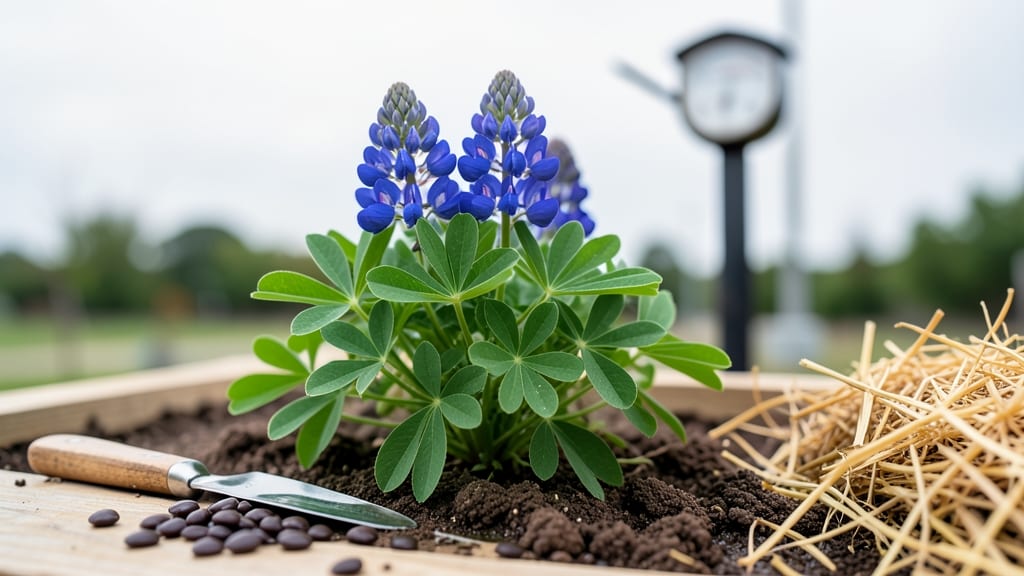
If you've ever dreamed of waking up to fields of 🌸 bluebonnet in full bloom across your South Texas landscape, knowing when to plant the bluebonnet seeds in South Texas is the key to making that vision a reality.
Planting at the wrong time means waiting years for those iconic blue flowers—or worse, never seeing them at all.
South Texas's mild winters and unpredictable rainfall make fall the perfect window for bluebonnet seeds, but getting the exact months right can feel like guessing. Too early, and seeds might rot; too late, and frost could kill them before they sprout.
I'll break down the exact 3-month window that works best for your specific zone, plus how to adjust for your local microclimate.
What sets South Texas apart is its unique blend of heat, humidity, and occasional cold snaps. Unlike northern regions, bluebonnets here don't need cold stratification—they just need the right balance of moisture and warmth.
We'll cover how to prep your soil, when to scatter those seeds, and what to watch for to ensure your spring blooms outshine the competition.
Whether you're a first-time gardener or a seasoned pro, these insights will help you avoid common pitfalls and transform your yard into a vibrant bluebonnet paradise. Let's get those seeds in the ground the right way—so you can enjoy nature's blue carpet come spring.
Optimal bluebonnet planting months in South Texas by climate zone
South Texas isn’t one-size-fits-all when it comes to bluebonnets—its three distinct climate zones (Coastal Bend, Hill Country, and Rio Grande Valley) each demand slightly different timing.
I’ve planted bluebonnets across all three regions, and the difference between a lush spring carpet and a sparse display often comes down to understanding these microclimates.
In USDA Zones 9a-10a, bluebonnets need cool soil temperatures (55°F+) and winter rains to germinate successfully. Planting too early risks rot from excess moisture, while planting too late may result in dormant seeds that never sprout.
The key is aligning your planting window with first frost dates and historical rainfall patterns.
Here’s how to tailor your planting schedule based on where you live in South Texas:
| Climate Zone | Ideal Planting Window | Soil Temp Threshold | Frost Risk | Rainfall Dependency |
|---|---|---|---|---|
| Coastal Bend (e.g., Corpus Christi) | Mid-September to early November | 55–65°F (13–18°C) | Low (rare hard freezes) | Moderate (supplement with irrigation) |
| Hill Country (e.g., Austin, San Antonio) | Late September to mid-November | 50–60°F (10–16°C) | Moderate (occasional light freezes) | High (relies on winter rains) |
| Rio Grande Valley (e.g., Brownsville, McAllen) | October to early December | 60–70°F (16–21°C) | Very Low (hardly ever freezes) | Low (dry winters; irrigate lightly) |
*Adjust planting dates 1–2 weeks earlier for drier years or 1–2 weeks later if heavy rains delay soil prep.
The Coastal Bend has the earliest window because its warmer winters allow seeds to germinate sooner. Meanwhile, the Rio Grande Valley can plant later due to its mild climate, but you’ll need to irrigate lightly to mimic winter rains.
In the Hill Country, aim for late September—this gives seeds time to establish roots before potential light freezes in December.
Pro tip: Check your local first frost date (usually mid-December in most of South Texas) and plant 6–8 weeks before that date. For example, if frost hits December 15, shoot for a late October planting in the Hill Country.
This timing ensures seeds have 4–6 weeks of cool soil to germinate before winter sets in.
Don’t overlook soil temperature—use a soil thermometer ($10 at garden centers) to confirm it’s above 55°F before planting. Cold soil delays germination, and bluebonnets won’t tolerate waterlogged conditions for long.
If your soil is too warm (common in late summer), wait until temperatures drop naturally or shade the area temporarily with a light tarp.
One mistake I’ve seen in South Texas is planting too close to summer (August). The heat stresses seeds, and they often rot before sprouting. Conversely, planting in December risks seeds drying out if rains stall.
The sweet spot is September–November, when days are cooling but still warm enough for reliable germination.
For maximum blooms, time your planting to align with winter rains. In the Hill Country, this usually means October showers—plant seeds just as rains begin. If your area is unusually dry, water lightly after planting (¼ inch) to keep soil moist but not soggy.
Overwatering here is a common downfall—bluebonnets hate soggy roots.
🌸
How to time bluebonnet planting for maximum blooms: a step-by-step guide
Timing your bluebonnet seeds correctly in South Texas means accounting for soil temperatures, first frost dates, and rainfall patterns. These wildflowers need cool fall soil (ideally 55°F+) to germinate properly.
I’ve planted mine for years, and I’ve learned the best window is between mid-September and November, but there’s more to it than just picking a month.
Start by checking your local average first frost date. In most of South Texas, this falls around mid-December, but Coastal Bend areas may have slightly later frosts.
Plant your seeds 6-8 weeks before your expected frost date to give them time to establish roots before winter sets in. For example, if frost hits December 15th, aim for a late October planting.
📋 Step-by-Step Planting Timeline for South Texas Bluebonnets
- Step 1: Test soil temperature with a soil thermometer—aim for 55°F+.
- Step 2: Scatter seeds directly on soil (no need to bury them).
- Step 3: Lightly rake seeds into top 1/4 inch of soil.
- Step 4: Water gently to moisten soil (avoid flooding).
- Step 5: Wait for spring rains to trigger germination.
One trick I swear by is pre-treating seeds to break dormancy. Soak them in lukewarm water for 24 hours before planting. This mimics natural winter rains and boosts germination rates in South Texas’ unpredictable winters. After planting, resist the urge to water heavily—bluebonnets thrive on natural rainfall once established.
If you’re in the Rio Grande Valley, where winters are milder, you can push planting to early December. However, avoid planting after November 15th in most of South Texas, as seeds may not have enough time to germinate before cold snaps.
Always monitor your local weather forecasts for unexpected freezes—these can halt germination if soil temps drop below 40°F.
Pro tip: Use a moisture meter to check soil conditions. Bluebonnets need well-drained soil, so avoid heavy clay areas where water pools. If your soil is too dense, mix in compost or sand to improve drainage. This small step makes a huge difference in seedling survival rates.
Finally, mark your planting date on a calendar. In South Texas, bluebonnets typically bloom March-May, but early planting ensures fuller, more vibrant displays. Patience pays off—these wildflowers may take 2-3 years to reach their full potential, but the wait is worth it for those sea-of-blue spring landscapes.