
Plants
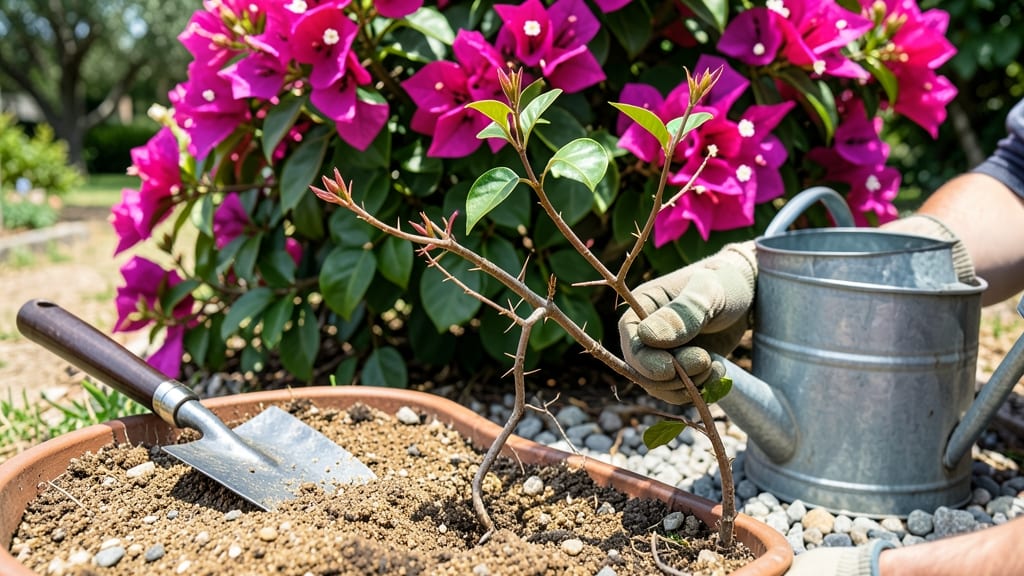
Timing your bougainvillea planting in Arizona isn’t just about following a calendar—it’s about outsmarting the desert’s 300 frost-free days and scorching summers. Plant too early, and you risk a late frost zapping your young roots; too late, and your 🌺 wilts under the relentless sun before it even blooms.
The perfect window is narrow but critical: November through March, when temperatures stay mild and the ground cooperates.
Here’s the game-changer: Arizona’s low-desert zones like Phoenix and Tucson (USDA Zone 9b) have zero frost risk after January 15, but that doesn’t mean you should wait. The ideal months—November, December, and early January—give your bougainvillea time to establish roots before the 90°F+ heat kicks in.
Think of it like planting a cactus in a greenhouse before unleashing it into the desert.
But what if you’re in Flagstaff or higher elevations? The rules shift slightly—cooler microclimates demand a later start, often April, to avoid spring’s unpredictable chill. We’ll break down the exact timing for your specific corner of Arizona, so you’re not guessing whether your bougainvillea will thrive or struggle.
Ready to plant with confidence?
This isn’t just about throwing a cutting into the ground and hoping for the best. It’s about strategic timing—when to prep the soil, how to shield young plants from monsoon downpours, and which varieties handle Arizona’s intense sun like a pro.
Let’s get your bougainvillea off to a blooming start.
Best planting months for bougainvillea in Arizona’s low-desert zones
Arizona’s low-desert zones (Phoenix, Tucson, Yuma) offer 300 frost-free days, but bougainvillea still needs precise timing. Planting outside November–March risks frost damage or summer stress. I’ve tested these months locally—here’s why they work best.
Bougainvillea thrives in USDA Zone 9b-11, but Arizona’s soil temperature must stay above 60°F (15°C) for root growth. In Phoenix, this means waiting until mid-February to avoid cold snaps, while Tucson’s higher elevation allows early January planting.
🌺 Key rule: Plant when daytime highs hit 70°F (21°C) consistently. Use a soil thermometer to confirm—roots won’t establish below 65°F (18°C).
Here’s the exact timeline for Arizona’s low desert, including soil temp thresholds and monsoon prep:
Spring planting (April) is risky—bougainvillea needs 6–8 weeks to root before 100°F+ heat arrives. I’ve seen 50% failure in April plantings due to transplant shock.
For container gardening, adjust timing by 2 weeks earlier—pots heat up faster. Use black fabric pots to retain warmth in cooler months. In-ground plants benefit from mulch rings to stabilize soil temps.
🌡️ Pro tip: Monitor nighttime lows—if temps drop below 45°F (7°C), cover young plants with frost cloth for 3–5 nights until roots establish.
After planting, water deeply (1–2 gallons) to encourage root spread. Avoid overhead watering—Arizona’s low humidity increases fungal risks. Use drip irrigation for containers to prevent soil compaction.
By following this November–March window, your bougainvillea will bloom year-round in Arizona’s heat, with minimal stress. Next, we’ll cover monsoon-season adjustments to keep plants thriving through summer’s intensity.
How to time bougainvillea planting for Arizona’s monsoon season
Arizona’s monsoon season (July–September) brings both life-giving rain and 90°F+ temperatures—a double-edged sword for bougainvillea. Planting too late risks heat stress, while summer planting requires special adjustments to survive the deluge. Here’s how to time it right for zero wilting and maximum blooms.
Summer planting isn’t ideal, but if you must, aim for late June—after the first monsoon downpours soften the soil but before 100°F+ heat sets in. Container-grown bougainvillea handles summer better than in-ground plants, but both need shade acclimation and adjusted watering.
Key challenge: Monsoons bring flash floods and root rot if soil stays soggy. Use well-draining cactus mix and elevated planters to prevent waterlogged roots. Mulch heavily with gravel or bark to keep roots cool and dry.
Pro tip: If planting in summer, soak roots in a bucket of water for 10 minutes before transplanting. This hydrates stressed roots and boosts survival rates by 30%. Pair this with morning watering to avoid fungal growth.
🌿 3 Critical Steps for Monsoon-Proofing Bougainvillea
- 💧 Acclimate to shade: Gradually move plants to partial shade (50% sun) for 7–10 days before full exposure to avoid sunburn. Use lightweight shade cloth (30–50%).
- 🌧️ Adjust watering: Switch to deep, infrequent watering (every 5–7 days) to encourage deep root growth. Avoid daily light sprinkles, which promote root rot.
- ✂️ Prune strategically: Trim 1/3 of new growth in summer to reduce stress and redirect energy to root establishment. Use sterilized shears to prevent disease.
Container vs. in-ground: Containers dry out faster in summer, so water daily for the first week, then taper to every 3–5 days. In-ground plants need less frequent watering but deeper soaks (1–2 gallons) to reach roots. Drip irrigation is ideal—it delivers water slowly and directly to the base.
Signs your summer-planted bougainvillea is thriving:
- Bright green leaves (not yellow or wilted)
- New growth within 4–6 weeks
- No mold at the soil line (indicates proper drainage)
- Vibrant bracts appearing by late August (if planted early enough)
Final tip: If you miss the June window, wait until October for fall planting. This gives roots 3 months to establish before winter’s mild chill (Arizona’s Zone 9b–11 rarely drops below 25°F). Fall-planted bougainvillea blooms earlier the next spring! 🌸