
Plants
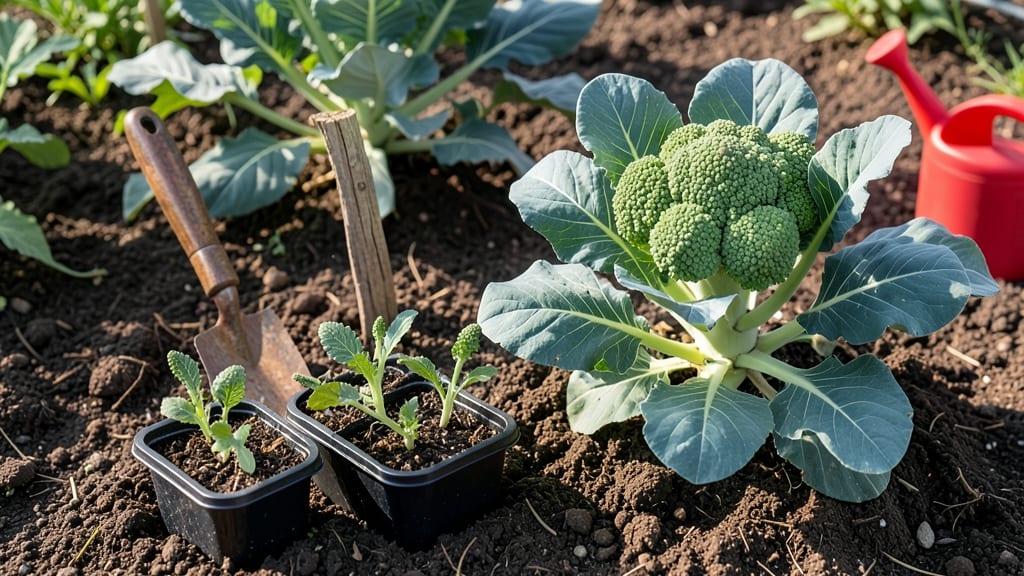
Planting broccoli in Central Texas isn't just about throwing seeds in the dirt—it's about timing it perfectly to avoid the heat-induced bolting that turns your green dreams into bitter disappointment. 🥦 With USDA Zone 8a weather swinging from scorching summers to chilly winters, knowing when to plant makes all the difference between a bountiful harvest and a wasted effort.
Most gardeners here focus on two critical windows: early fall and late winter. But here's the catch—plant too soon, and your broccoli will bolt before you can say "harvest season." Plant too late, and frost will steal your crop before it even gets started.
I'll break down the exact deadlines you need to follow, so you can grow broccoli that thrives instead of struggles.
What you'll discover is how to work with Central Texas' unique climate to extend your growing season. We'll cover everything from soil prep to shade strategies, ensuring your broccoli stays cool and productive.
Whether you're a seasoned gardener or just starting out, these tips will help you avoid common mistakes and maximize your yield.
Ready to grow broccoli that's as happy as it is healthy? Let's dive into the best planting schedule for your Central Texas garden, so you can enjoy fresh, homegrown florets all season long.
Central Texas broccoli planting calendar: exact dates to avoid bolting and frost
Central Texas's hot summers and chilly winters create a tight window for growing broccoli successfully. The key is planting during cool-season months when temperatures stay between 50°F and 75°F.
Miss these deadlines, and you risk either heat-induced bolting or frost damage—both of which can ruin your harvest before it starts.
For Central Texas gardeners in USDA Zone 8a, the best times to plant broccoli are early fall (August-September) and late winter (February-March).
These windows align with the region's first frost date (mid-December) and last frost date (mid-January), giving your plants enough time to mature before extreme temperatures set in.
Here’s a breakdown of the optimal planting windows for Austin, San Antonio, and Waco, including soil temperature thresholds for seed germination:
| Planting Window | Soil Temp (°F) | Frost Risk | Harvest Window |
|---|---|---|---|
| Early Fall (August-September) | 60-75°F | Low (before first frost) | October-November |
| Late Winter (February-March) | 50-60°F | Moderate (after last frost) | April-May |
| Avoid Summer Planting | Above 80°F | High (bolting risk) | N/A |
If you’re planting in August or early September, aim for seeds to germinate in 60-75°F soil. This gives your broccoli enough time to develop a mature head before temperatures drop in November.
For the spring window (February-March), wait until soil temperatures rise to 50-60°F to avoid stunted growth or seed failure.
Pro tip: Use a soil thermometer to check temperatures before planting. Central Texas soils can heat up quickly in late summer, making it tricky to find the sweet spot for germination. If your soil is too hot, wait a few days or use shade cloth to cool it down.
For succession planting, sow new seeds every 2-3 weeks during your chosen window. This ensures a continuous harvest and reduces the risk of losing your entire crop to bolting or frost.
For example, if you plant your first batch in mid-August, follow up with another in early September and a final batch in late September.
One common mistake is planting broccoli too close to the first frost. In Central Texas, frost typically arrives by mid-December, so your fall crop should be harvested by early November to avoid damage.
If you’re unsure about frost dates, check the National Weather Service or local agricultural extension service for updates.
For gardeners in urban areas like Austin, microclimates can affect planting times. Areas near lakes or greenbelts may stay cooler longer, while paved surfaces can create heat islands. Adjust your planting schedule accordingly—if your neighborhood runs 5°F warmer than the average, plant slightly earlier to compensate.
Finally, always choose heat-tolerant varieties like 'De Cicco' or 'Calabrese' for Central Texas. These varieties handle brief heat spikes better than standard types, giving you a slightly longer window to work with. Pair them with proper mulching and consistent watering to maximize your chances of success.
How to extend your broccoli season in Central Texas heat
Central Texas summers can turn your broccoli into a sad, bolted memory if you're not careful. The key to success? Extending your season with smart strategies that keep plants cool and productive.
I’ve tested these methods in my own garden—shade cloth, succession planting, and heat-tolerant varieties—and they’ve saved my harvests more times than I can count.
Start by choosing heat-tolerant varieties like 'De Cicco' or 'Calabrese'. These hold up better than standard types when temperatures creep above 85°F (29°C). Pair them with succession planting every 2-3 weeks from August through September to stagger your harvest and avoid all-or-nothing losses.
Shade cloth is a game-changer. A 30-50% shade cloth reduces soil temperatures by 10-15°F (5-8°C) and prevents bolting. Stake it above plants in late afternoon when the sun is harshest. For extra protection, mulch with 2-3 inches of straw or wood chips to insulate roots and retain moisture.
- Succession Plant: Sow seeds every 2 weeks from August-September for continuous harvests.
- Use Shade Cloth: 30-50% coverage reduces heat stress and bolting risk.
- Mulch Heavily: Straw or wood chips keep roots cool and moisture locked in.
- Water Deeply: Early morning watering (1-1.5 inches/week) prevents stress.
- Choose Heat-Tolerant Varieties: 'De Cicco' or 'Calabrese' outperform standard types in Texas heat.
Don’t forget about companion planting. Pair broccoli with radishes or lettuce to shade the soil and reduce evaporation. Avoid planting near tomatoes or strawberries, which compete for nutrients and attract pests.
If you’re in a hotter microclimate (like urban areas), consider growing broccoli in raised beds filled with compost-rich soil—they warm up slower than in-ground beds.
Even with these tricks, broccoli won’t thrive in 100°F+ (38°C+) heat. If your forecast shows extreme temps, prioritize harvesting what’s ready and let the rest mature slowly. With the right approach, you can enjoy fresh broccoli from October through April—no bolting in sight!
Remember, the goal is consistency. Small, frequent adjustments—like adjusting shade cloth or watering schedules—will keep your broccoli happy until the first frost. And if all else fails, save seeds from your best performers for next year’s garden! 🌿