
Plants
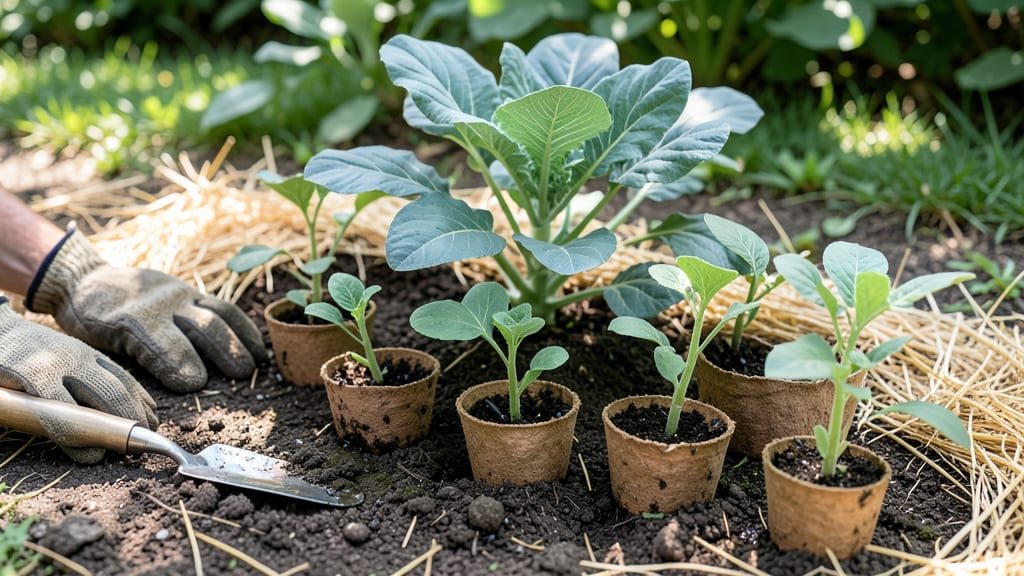
If you’ve ever tried growing 🥦 broccoli in North Florida and ended up with bitter, bolted plants instead of tender heads, timing is the missing piece.
The wrong planting window turns your garden into a heat-stressed disaster—unless you know the exact months to start seeds or set out transplants for your 8a zone.
Most gardeners assume spring is the only chance, but North Florida’s unique climate actually gives you two prime opportunities: late summer for a fall harvest and early spring for a spring crop.
Skipping the fall window means missing out on cooler weather that broccoli craves, while planting too early in spring risks heat stress before the real growing season kicks in.
I’ll break down the ideal planting schedule—when to prep soil, which varieties handle Florida’s heat best, and how to stretch your harvest window without bolting.
Whether you’re a first-time gardener or a seasoned grower, these tips will help you grow broccoli that’s crisp, flavorful, and ready to harvest when you need it most.
No more guessing games—just proven strategies to turn your North Florida garden into a broccoli powerhouse, even in the heat. Let’s get those plants in the ground at the right time!
Best planting times for broccoli in North Florida’s climate zones
North Florida’s USDA Zone 8a/8b climate presents unique challenges for growing broccoli, but timing your plantings strategically ensures success. The key is avoiding summer heat stress and early frost damage, which can ruin your crop.
With the right schedule, you can enjoy two productive harvests: one in fall and another in spring.
Broccoli thrives in cool weather between 50°F and 75°F. North Florida’s first frost date typically arrives around December 1, while the last frost usually occurs on February 15. This narrow window forces us to focus on fall and spring plantings—never summer—unless you’re using heat-tolerant varieties.
For the best results, I recommend starting with transplants rather than direct sowing. Transplants give you more control over timing and allow you to bypass the slow germination phase, which can be risky in Florida’s unpredictable spring weather. If you’re growing from seed, start indoors 4-6 weeks before transplanting.
| Planting Window | Ideal Months | Soil Temp | Days to Maturity | Harvest Window | Key Considerations |
|---|---|---|---|---|---|
| Fall Planting | Late August - Early September | 60-75°F | 50-60 days | October - November | Avoid transplanting after September 15 to prevent bolting. |
| Spring Planting | February - Early March | 55-65°F | 60-70 days | May - June | Use shade cloth if planting in late March to protect from heat. |
| Direct Sowing (Fall) | September (if soil is warm) | 70-75°F | 60-75 days | November - December | Risky due to short growing season; better for transplants. |
When planting in fall, aim to get your broccoli in the ground by late August to early September. This gives the plants enough time to establish roots before temperatures drop. If you miss this window, your crop may bolt prematurely or struggle to mature before frost.
For spring plantings, February to early March is ideal, but avoid pushing it too late—broccoli hates heat, and temperatures above 80°F will cause bolting.
One trick I’ve used in my own garden is to plant a succession of broccoli every 2-3 weeks during the fall window. This staggered approach ensures a continuous harvest rather than one big batch.
For example, start with transplants on August 25, then follow up with another batch on September 15 if conditions allow. Just monitor your local soil temperature—it should stay above 60°F for healthy growth.
If you’re in a cooler microclimate (like the higher elevations near Gainesville), you might extend your fall planting slightly into early October. Conversely, if you’re in a warmer area near Jacksonville, stick to late August to avoid heat stress.
Always check your local frost dates—they can vary by 1-2 weeks depending on elevation and proximity to water.
Another pro tip: Use row covers or lightweight shade cloth if you need to plant in late spring (March-April). This helps protect young plants from unpredictable heat spikes that can trigger bolting. Just remove the covers once the plants are established to avoid overheating.
Finally, remember that broccoli is a cool-season crop, so summer planting is a gamble. If you’re determined to try, opt for heat-tolerant varieties like 'De Cicco' and provide afternoon shade.
But honestly? It’s far easier—and more reliable—to stick with the fall and spring windows and let your broccoli thrive in cooler weather.
Best planting times for broccoli in North Florida’s climate zones
North Florida’s USDA Zone 8a/8b climate gives you two clear windows to grow broccoli successfully: late summer for fall harvests and early spring for spring crops. The key is avoiding the peak summer heat (June-August), which causes broccoli to bolt prematurely.
Timing your plantings to align with cooler temperatures is the secret to large, flavorful heads.
For fall broccoli, start seeds or set out transplants between late August and early September. This gives your plants 6-8 weeks of cool weather before the first frost (typically around December 1). If you plant too late, your broccoli may struggle to mature before winter sets in.
For spring broccoli, aim for February to early March, ensuring your plants have time to grow before the summer heat arrives.
Direct sowing is possible, but most North Florida gardeners prefer transplants for broccoli. Start seeds indoors 4-6 weeks before your target outdoor planting date, or buy healthy transplants from a local nursery. The soil temperature should be at least 45°F for seeds to germinate properly—any cooler, and germination slows dramatically.
Here’s how the planting windows break down for your North Florida garden:
| Planting Window | Best Planting Method | Soil Temp Requirement | Days to Harvest | Harvest Months |
|---|---|---|---|---|
| Late August - Early September (Fall) | Transplants (preferred) or direct sow | 45°F+ | 60-80 days | October - November |
| February - Early March (Spring) | Transplants (preferred) | 50°F+ | 50-70 days | May - June |
If you’re eager for an extended harvest, you can try a succession planting strategy. For fall, sow a second batch in mid-September for a late-winter harvest (around February).
For spring, a third planting in late March might yield a few heads before summer heat sets in. Just be prepared to provide extra shade for late spring plantings.
One common mistake in North Florida is planting broccoli too early in spring. If you set out transplants in January, the heat of early March can cause your plants to bolt before they form heads.
Similarly, planting in late summer (July-August) risks heat stress, leading to poor growth or bolting. Stick to the recommended windows, and you’ll avoid these pitfalls.
For gardeners in microclimates (like higher elevations or coastal areas), you may have slightly different frost dates. Monitor local weather forecasts and adjust your planting timeline by 1-2 weeks if needed. The goal is always to give your broccoli cool, consistent temperatures for optimal growth.