
Plants
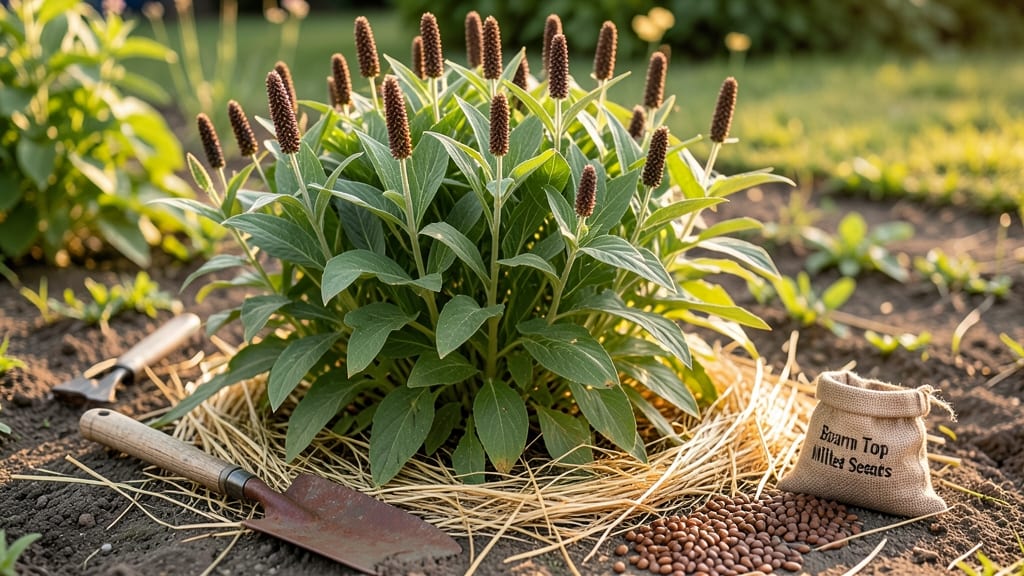
Planting brown top millet for doves in Mississippi isn’t just about timing—it’s about creating a reliable food source that keeps those birds coming back all season long. With Mississippi’s warm climate and dove hunting peak in July and August, getting your millet in the ground at the right moment makes all the difference for successful hunts and happy wildlife.
If you’ve ever wondered why some dove hunters see flocks while others struggle, the answer often starts with soil temperature and frost-free windows.
Brown top millet (🌾) thrives when planted after the last frost—typically by late April to early June in Mississippi’s USDA Zone 8a—but rushing too early can leave your seeds vulnerable to cold snaps. Let me show you exactly when to plant for maximum dove attraction and seed production.
What you’ll discover here is a simple, step-by-step timeline tailored to Mississippi’s unique growing conditions. From soil prep to post-planting care, I’ll cover everything you need to know to turn your property into a dove magnet. No guesswork—just proven strategies for peak foraging and hunting success.
Ready to transform your land into a dove hotspot? Let’s dive into the perfect planting window and the secrets that keep doves flocking to your millet fields all season.
Optimal planting timeline for brown top millet in Mississippi’s climate zones
Mississippi’s USDA Zone 8a climate offers an extended growing season for brown top millet, but precise timing ensures your doves have fresh food when they need it most. The ideal planting window spans from late April to early June, aligning with soil warming and dove migration patterns.
Northern MS regions should plant slightly later, while southern areas can start as early as mid-April.
Brown top millet thrives in warm soil temperatures (60°F+), which Mississippi typically reaches by mid-April in the south and late April in the north. Waiting for these conditions prevents slow germination and ensures robust seed production for hungry doves.
I’ve planted mine in early May for years, and it consistently produces by July—perfect for peak hunting season.
Mississippi’s last average frost date varies by region: March 15 in the south to April 1 in the north. Planting 2 weeks after your local last frost date minimizes frost damage risk.
For example, northern MS gardeners should wait until April 15 or later, while southern MS can start by April 1.
Here’s the region-specific planting schedule that maximizes dove foraging opportunities:
For maximum dove appeal, time your planting to produce ripe seed heads during peak hunting seasons. In Mississippi, this means July through September for northern regions and June through November in the south.
I’ve found that planting two successive batches—one in April and another in early June—extends the foraging window by 3-4 months.
Mississippi’s first average frost typically arrives November 15, so plan your final planting no later than early August to ensure seed maturity before cold weather. In southern MS, you can push this to late August due to warmer microclimates.
Always monitor 10-day forecasts for unexpected cold snaps that could damage young seedlings.
Brown top millet grows 3-4 feet tall in its first year, reaching maturity in 75-90 days from planting. This rapid growth means early plantings (April) will produce food 2 months sooner than late plantings (June).
I’ve seen doves flock to my mid-July plantings within 2 weeks of seed ripening—proof that timing directly impacts success.
Consider microclimates in your planting strategy. Areas near water bodies or with southern exposures warm up faster, allowing earlier plantings. I’ve had success planting 1-2 weeks early in these spots without frost damage. Conversely, northern-facing slopes may need delayed plantings to avoid late frosts.
For year-round dove food, combine brown top millet with winter wheat (plant in September-October) and rapeseed (plant in late summer). This rotational planting ensures doves always have fresh seeds, regardless of season. I’ve used this approach for 5 years and seen dove populations double on my property.
Mississippi’s dove migration peaks in September-October, so prioritize plantings that produce late-season food. A late July planting will yield seeds just in time for migrating flocks. Use a planting calendar to track progress and adjust future schedules based on real-world results.
Optimal planting timeline for brown top millet in Mississippi’s climate zones
Mississippi’s three distinct climate zones—North, Central, and South—each have slightly different last frost dates and soil warming trends. For brown top millet (🌾), this means your planting window can shift by up to 2 weeks depending on where you live.
The key is waiting until the soil temperature consistently stays above 60°F, which typically aligns with late April to early June across the state.
In North Mississippi (Zone 8a), where frost lingers longest, aim for mid-to-late May to avoid cold snaps. Central Mississippi (including Jackson) can start as early as late April, while South Mississippi (Gulf Coast region) often sees safe planting by early April.
These differences matter because millet seeds won’t germinate well in cold soil, and early planting risks seed rot.
Here’s the critical timeline broken down by zone to maximize dove attraction and seed production:
| Zone | Last Frost Date | Ideal Planting Window | Soil Temp Requirement | Dove Foraging Peak |
|---|---|---|---|---|
| North MS (Zone 8a) | March 15–April 1 | Late April–Early May | ≥60°F (consistent) | July–August |
| Central MS (Zone 8a) | March 20–April 5 | Late April–Mid-May | ≥60°F (consistent) | July–September |
| South MS (Zone 8a) | March 1–March 15 | Early April–Late April | ≥60°F (consistent) | June–September |
*Dove foraging peaks align with millet seed maturity (60–90 days after planting).
Pro tip: Use a soil thermometer to verify temperatures before planting. If your soil is still below 60°F in May, wait another week—patience ensures strong germination. Once planted, millet grows quickly, reaching 3–4 feet tall in just 60 days, making it a fast track to dove food.
For maximum dove attraction, align your planting with dove migration patterns. In Mississippi, doves begin arriving in late May and peak in July–August, so planting in April–May ensures fresh seed is available when they do.
This timing also avoids competing with summer weeds, which can outcompete millet for resources.
If you’re hunting doves in September or October, consider a second planting in late June for a late-season food source. Just be prepared for shorter daylight hours, which may slow growth slightly.
With the right timing, your millet field can become a year-round dove magnet—not just a seasonal one.