
Plants
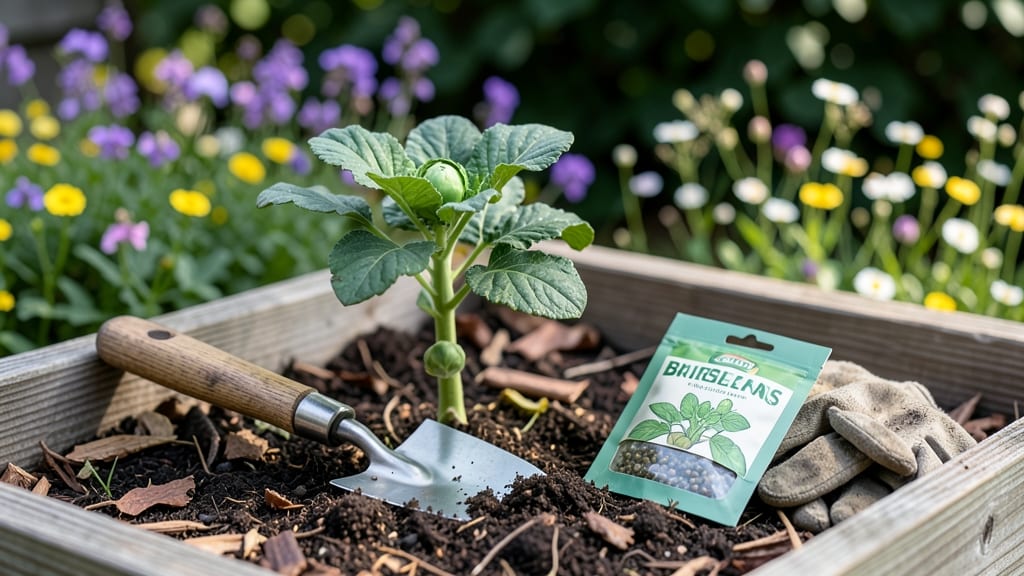
If you're dreaming of a bountiful harvest of crisp, flavorful 🥦 Brussel sprouts this fall, when to plant Brussel sprouts in Illinois is the first question to answer—especially in the state’s Zone 5-6 climate.
Planting too early risks frost damage, while waiting too late can leave you with bitter, underdeveloped sprouts. The secret to success lies in mastering the perfect spring and summer planting windows that align with your region's unique frost dates and soil conditions.
For Illinois gardeners, the ideal time to start your Brussel sprouts is early spring (March-April) or mid-summer (July-August), giving them enough time to mature before the first frost hits around mid-October. But here's the catch: direct sowing and transplanting require different strategies to ensure your plants thrive.
Whether you're a seasoned gardener or just starting out, understanding these nuances will help you avoid common pitfalls and maximize your yield.
What makes Illinois gardening unique is the balance between warm summers and chilly winters. Your Brussel sprouts need cool weather to develop their signature sweetness, but they also require a long enough growing season to reach maturity.
I'll show you exactly how to time your plantings—whether you're starting seeds indoors or sowing directly—so you can enjoy a steady harvest from October through December, even if you face an early frost.
Ready to transform your garden into a Brussel sprout powerhouse? Let's dive into the precise planting schedule, soil prep tips, and frost-proofing techniques that will keep your crop thriving all season long. Your taste buds—and your dinner table—will thank you!
Best planting windows for Brussel sprouts in Illinois Zone 5
Brussel sprouts (Brassica oleracea) are cool-season crops that thrive in Illinois' Zone 5 climate, but timing is everything. Plant too early, and frost will damage young plants. Wait too long, and summer heat will stunt growth.
The key is understanding two distinct planting windows—spring and summer—that align with Illinois' last frost date (April 15) and first frost date (October 15).
For the most reliable harvest, focus on early spring (March-April) or mid-summer (July-August) plantings. Each window offers unique advantages: spring plants mature before summer heat, while summer plants grow through fall's crisp air. Let's break down the exact planting dates, soil temperature requirements, and harvest windows for each approach.
📌 PRO TIP: Always check your local USDA Zone 5b/6a frost dates—northern Illinois (like Chicago) may need adjustments compared to southern regions (like St. Louis). Use the National Weather Service or Old Farmer's Almanac for precise local data.
| Planting Window | Best Planting Dates (Zone 5) | Soil Temp Requirement | Days to Harvest | Harvest Window |
|---|---|---|---|---|
| Early Spring | March 15 - April 15 | 40-50°F (4-7°C) | 90-100 days | October - November |
| Mid-Summer | July 1 - August 15 | 50-60°F (10-15°C) | 80-90 days | October - December |
| Late Summer (Succession) | August 15 - September 1 | 50-55°F (10-13°C) | 70-80 days | October - November |
For spring planting, start seeds indoors 6-8 weeks before your last frost date (around February 15). Transplant seedlings outdoors 2-3 weeks after April 15 when soil temperatures reach 40°F (4°C).
This timing ensures plants mature before summer heat arrives. I've had my best success with varieties like 'Long Island Improved' or 'Ruby Ball', which handle Illinois' humidity and temperature swings well.
If you prefer summer planting, direct-sow seeds July 1-August 15 for a fall harvest. The key is getting seeds in the ground when soil temps are 50-60°F (10-15°C)—use a soil thermometer to check.
Summer-planted sprouts benefit from cooler fall temperatures, which sweeten their flavor. Varieties like 'Jade Cross' or 'Corvette' are excellent choices for this window.
Don't overlook succession planting in late summer (August 15-September 1). Sow a final batch of seeds to harvest before winter sets in. These late plants grow quickly in cool fall soil and often produce sweeter, more flavorful sprouts than their summer counterparts.
Just be prepared to protect them with row covers as temperatures drop.
One common mistake Illinois gardeners make is planting too late in summer (after August 15). While it's tempting to extend the season, plants sown after this date often bolt or struggle to mature before frost.
Instead, focus on the three windows above for reliable harvests. For extra insurance, consider staggered plantings every 2 weeks within each window to spread out your harvest.
Remember, soil temperature is more critical than air temperature. Use a soil thermometer to verify conditions—cool soil can delay germination even if air temps seem ideal. If your soil runs cooler than 40°F (4°C), wait a few days or use black plastic mulch to warm it up faster.
🌱 For container growing in Illinois, plant in 5-gallon pots and move containers to south-facing windows or under grow lights during winter. This extends your growing season significantly, especially in Zone 5b areas like Chicago.
Best planting windows for Brussel sprouts in Illinois Zone 5
Brussel sprouts (Brassica oleracea) love Illinois' cool fall weather, but timing is everything. In Zone 5, you have two prime planting windows: early spring and mid-summer. Each offers different harvest benefits, so let's break down the exact dates and methods for success.
For spring planting, aim for March 15 to April 15—just as soil temperatures hit 40°F. This gives sprouts time to mature before summer heat sets in.
Alternatively, summer planting (July 1 to August 15) ensures a fall harvest when flavors peak. Both methods work, but summer planting often yields sweeter sprouts.
| Planting Window | Method | Soil Temp | Harvest Time | Notes |
|---|---|---|---|---|
| March 15 - April 15 | Direct sow or transplant | 40°F+ | June - August | Avoid summer heat stress |
| July 1 - August 15 | Direct sow only | 50°F+ | October - December | Best flavor in cool weather |
| August 20 - September 10 | Direct sow (late) | 50°F+ | December - January | Risky—needs frost protection |
If you're starting indoors, begin seeds 6-8 weeks before your last frost date (around February 15). Transplant seedlings outdoors 2-3 weeks after your last frost (April 15 in most of Illinois). For direct sowing, wait until soil is at least 50°F—usually mid-May for summer crops.
Pro tip: Use black plastic mulch in spring to warm soil faster, or straw mulch in fall to insulate roots. Both tricks help you extend planting windows by 1-2 weeks at either end of the season. Just be sure to remove mulch before harvesting to avoid soil contamination.
For fall harvests, prioritize July-August plantings. These sprouts develop sweeter flavors in cooler temps and can often survive light frosts (down to 20°F) if protected. Just avoid planting after September 10, or your crop may bolt before maturity.
Remember: Brussel sprouts need 90-100 days to mature. If you plant too late, you'll miss the sweetest harvest window before winter sets in. Use a planting calendar to track your local frost dates and adjust timelines accordingly. 🌱