
Plants
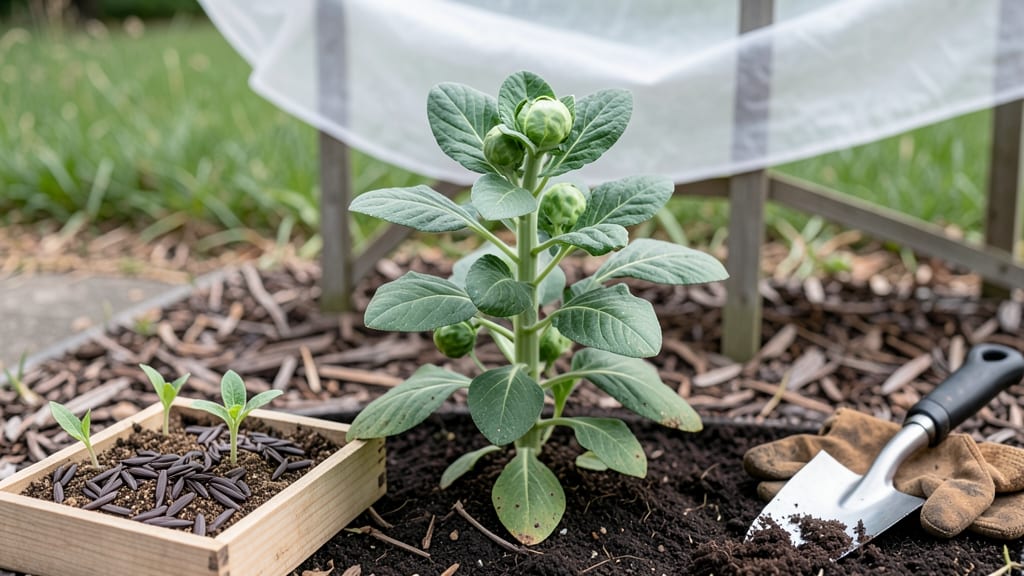
If you’ve ever watched your 🥦 Brussels sprouts bolt into bitter, flowery stalks instead of plump, tender buds, you know when to plant Brussels sprouts in Wisconsin is everything in the state’s fickle climate.
Planting too early risks frost damage, while waiting too long shrinks your harvest—so getting those dates right isn’t just helpful, it’s the difference between a pantry full of homegrown goodness and a sad, wilted disappointment.
Wisconsin’s USDA Zones 4b-6a mean your planting window is narrower than you think, but with the right strategy, you can stretch it safely.
Whether you’re starting seeds indoors in March or sowing directly in April, I’ll break down the exact frost-date calendar that keeps your sprouts happy—and your kitchen stocked—from October through December.
You don’t need a green thumb to nail this; just a few key adjustments, like choosing the right varieties and watching soil temps. Let’s dive into the foolproof method for Wisconsin gardeners who refuse to let weather ruin their harvest.
Ready to turn your garden into a Brussels sprout powerhouse? By the end, you’ll know exactly when to plant for zero bolt risk—and how to tweak your schedule if Mother Nature throws a curveball.
Wisconsin Brussels sprout planting windows by frost Zone
Wisconsin’s cool climate and short growing season make Brussels sprouts a perfect fit, but timing is critical. Plant too early, and you’ll trigger bolting (premature flowering); too late, and your harvest shrinks. The key is aligning your planting with last frost dates and maturity timelines for your specific USDA zone.
Most of Wisconsin falls within USDA Zones 3-5, where Brussels sprouts thrive. The ideal planting window spans from mid-April to mid-July for spring crops and late July to early August for fall harvests.
Let’s break down the exact dates by zone to ensure you avoid common pitfalls like frost damage or bolting.
📅 Last Frost Dates by Wisconsin Region:
- Northern WI (Zone 3-4): Last frost around May 10–15
- Central WI (Zone 4-5): Last frost around May 1–10
- Southern WI (Zone 5): Last frost around April 20–May 1
These dates shift slightly yearly, so always check your local Almanac or Wisconsin State Climatology Office for updates.
| Zone | Direct Sow Window | Transplant Window | Harvest Window | Key Notes |
|---|---|---|---|---|
| Zone 3 (Northern WI) | Late April–May 15 | May 1–June 1 (start indoors) | October–November | Use row covers for early frost protection. |
| Zone 4 (Central WI) | Mid-April–June 1 | April 15–May 15 (start indoors) | September–December | Avoid planting after June 15 to prevent bolting. |
| Zone 5 (Southern WI) | Early April–July 1 | March 15–April 30 (start indoors) | October–January (with frost protection) | Extend season with cold frames for winter harvests. |
For spring planting, aim to sow seeds 4–6 weeks before your last frost date—this gives seedlings time to establish before summer heat arrives. In Zone 5, that’s early April; in Zone 3, wait until late April.
If you’re transplanting starts, begin indoors 8–10 weeks before the last frost to ensure sturdy plants ready for the garden.
Fall planting is trickier but rewards you with a winter harvest. Sow seeds 8–10 weeks before your first frost (typically late July–early August in Wisconsin). This ensures sprouts mature before hard frosts but still benefit from cold weather, which sweetens their flavor.
For example, in Madison (Zone 5), plant by August 1 for a harvest in October.
Pro tip: Calculate your frost-free days. Wisconsin averages 165 frost-free days, but this varies. Subtract your maturity days (typically 90 days for most varieties) from your first frost date to find your latest planting window.
For instance, if your first frost is October 15, your last planting date is July 15 (90 days prior).
Bolting is the biggest risk in Wisconsin’s climate. To prevent it, avoid planting after mid-June in most zones. Instead, opt for a fall crop or choose bolting-resistant varieties like ‘Long Island Improved’ or ‘Tasty Purple’. These varieties tolerate heat better and delay flowering.
🌱 Key Takeaway: Plant Brussels sprouts in two waves—once in spring (April–June) and once in late summer (July–August)—to spread out your harvest and reduce bolting risks.
Wisconsin Brussels sprout planting windows by frost Zone
Wisconsin’s USDA Zones 3-5 create unique challenges for growing Brussels sprouts. The key is planting at the right time to avoid bolting (premature flowering) while ensuring enough frost-free days for maturity. Most Wisconsin gardeners aim for a 90-day harvest window before the first frost, typically around mid-October.
For spring planting, start seeds indoors 8-10 weeks before your last frost date (usually mid-April in most regions). Transplant seedlings outdoors 2-3 weeks after the last frost, around mid-May. This gives your plants enough time to mature before Wisconsin’s early fall frosts.
Fall planting is often more reliable in Wisconsin. Sow seeds 8-10 weeks before the first frost (around late July to early August) for a late fall harvest. This timing works because Brussels sprouts sweeten in cold weather, making them perfect for Wisconsin’s crisp autumn days.
| Zone & Region | Last Frost Date | Spring Planting Window | Fall Planting Window | Harvest Time |
|---|---|---|---|---|
| Zone 3 (North) | May 10 | Indoors: March 15 Outdoors: May 25 |
July 20 - Aug 5 | Oct 15 - Nov 15 |
| Zone 4 (Central) | May 1 | Indoors: March 1 Outdoors: May 15 |
July 10 - July 25 | Oct 1 - Nov 10 |
| Zone 5 (South) | April 15 | Indoors: Feb 15 Outdoors: April 30 |
June 20 - July 10 | Sep 20 - Oct 20 |
*Adjust dates 1-2 weeks earlier for early varieties or later for late frosts.
Direct sowing is also an option in Wisconsin, but it requires precise timing. For spring direct sowing, plant seeds 2-3 weeks after the last frost (around mid-May). For fall direct sowing, aim for late July to give plants enough time to mature before winter.
Just remember: Brussels sprouts need cool weather to develop properly, so avoid planting too early in spring.
In Wisconsin’s shorter growing seasons, focus on fast-maturing varieties (like ‘Long Island Improved’ or ‘Tasty Purple’) to maximize your harvest. These varieties typically mature in 85-95 days, fitting perfectly within Wisconsin’s 165-day frost-free window.
Always check your local frost dates and adjust planting times accordingly—Wisconsin’s weather can be unpredictable!
Pro tip: Use row covers or cold frames to extend your growing season in Wisconsin. These tools can help protect young plants from late spring frosts or early fall frosts, giving you more flexibility with planting dates. Just