
Plants
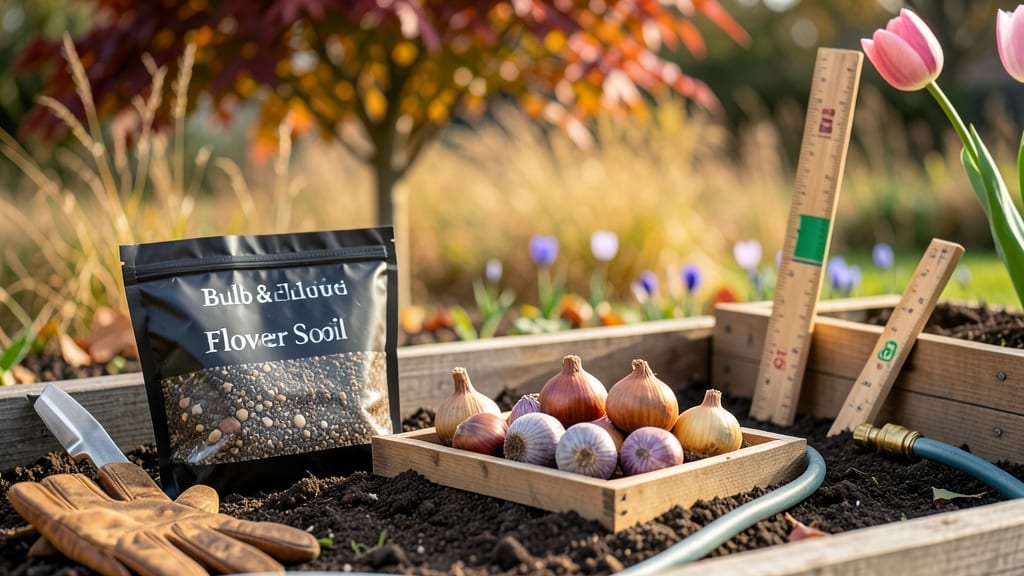
Knowing when to plant bulbs in Arkansas can mean the difference between a stunning spring garden and a sad, frost-bitten disappointment. With Arkansas' unique 7a-8a climate, timing isn't just about following a calendar—it's about reading your soil and understanding how those unpredictable winters play ball with your 🌱 dreams.
Fall planting between September and November gives most bulbs the perfect head start, but spring options exist for the right varieties. I'll break down the exact windows that work in Arkansas, plus the critical mistakes to avoid—like planting too late when the ground starts to freeze.
Whether you're dreaming of tulips or native rain lilies, this guide keeps your bulbs safe and thriving.
You'll discover why some gardeners swear by early September starts while others wait until October, and how Arkansas' first frost dates (around November 15) become your planting deadline. We'll also cover the bulbs that buck tradition, like those that handle spring planting better than their fall-loving cousins.
By the end, you'll have a clear timeline tailored to Arkansas' climate—so you can stop guessing and start planting with confidence. Let's get those bulbs in the ground the right way!
Best fall planting timeline for Arkansas bulbs (and why it works)
Arkansas’ USDA hardiness zones 6-8 create a unique window for planting bulbs, where timing can mean the difference between vibrant spring blooms and wasted effort. The key is planting 6-8 weeks before the first frost—typically between mid-September and mid-November—to give roots time to establish before winter.
In Arkansas, this usually lands between September 15 and November 15, depending on your specific zone.
Fall planting works because bulbs need cool soil temperatures (50-60°F) to trigger root growth, while above-ground growth waits until spring. Arkansas’ mild winters in zones 7-8 mean bulbs like tulips and daffodils can survive, but planting too late risks frost damage before roots take hold.
Conversely, planting too early (before August) can lead to premature sprouting and weak stems.
Here’s the science-backed timeline for Arkansas gardeners, adapted to local climate patterns:
| Month | Ideal Planting Window | Soil Temp Goal | Bulb Types | Pro Tip |
|---|---|---|---|---|
| Mid-September | Early window for hardy bulbs (daffodils, crocuses) | 60-65°F | Daffodils, Hyacinths | Use mulch (3-4 inches) to insulate roots. |
| October | Peak window for most bulbs | 50-60°F | Tulips, Alliums, Fritillaries | Plant deeper in sandy soil (6" depth). |
| November | Late window for fast-rooting bulbs | 45-50°F | Snowdrops, Grape Hyacinths | Avoid planting if frost is forecasted within 2 weeks. |
| December | Emergency planting only (zone 8) | 40-45°F | Crocuses, Winter Aconite | Use winter mulch immediately after planting. |
For zone 7a gardeners (north Arkansas), aim to finish planting by October 31 to avoid winter kill. In zone 8a (south Arkansas), you can push to early December, but only for cold-hardy varieties like crocuses or snowdrops.
The soil temperature is your best guide—use a soil thermometer to confirm it’s below 60°F before planting.
Pro tip: Pre-chill bulbs for 4-6 weeks in the fridge (40°F) if planting early in September. This mimics natural winter conditions and jumpstarts root growth. Store bulbs in a cool, dry place (like a garage) until planting day to prevent sprouting.
Arkansas’ clay-heavy soils in many areas can suffocate bulb roots, so amend with compost or sand to improve drainage. Plant bulbs 3x deeper than their height—for example, a 2-inch tulip bulb should go 6 inches deep. This depth protects them from temperature fluctuations and rodent damage.
After planting, water deeply to settle the soil and encourage root contact. Then, mulch with straw or leaves (3-4 inches) to insulate roots through winter. In Arkansas’s wet springs, this mulch also prevents soil erosion around emerging shoots. Avoid synthetic mulches, which can trap too much moisture.
Remember: Spring-blooming bulbs (like tulips) need this fall prep, while summer-blooming bulbs (like dahlias) should wait until spring planting. Arkansas’ humid climate also means you’ll need to monitor for slugs and voles—use diatomaceous earth or chicken wire cages if these pests are a problem in your area.
By following this timeline, you’ll give your bulbs the best shot at thriving in Arkansas’ climate—delivering bold spring color with minimal fuss. The secret? Plant early, mulch well, and trust the process—your future blooms will thank you! 🌷
Spring planting bulbs in Arkansas: high-risk or high-reward?
Spring planting bulbs in Arkansas feels like a gamble—especially when fall is the tried-and-true method. But for tender bulbs like caladiums or cannas, spring is their only chance to thrive. The key?
Timing and bulb selection. Most Arkansas gardeners avoid spring planting for hardy bulbs (tulips, daffodils), but the right varieties can reward you with summer blooms when planted in February or early March.
Your success hinges on two factors: last frost dates (typically March 15) and soil warmth. Plant too early, and frost zaps your bulbs; too late, and they struggle to establish roots before summer heat.
Arkansas’ USDA zones 7a–8a give you a slightly longer window than colder regions, but don’t push it—wait until soil temps hit 60°F.
Here’s the catch: spring-planted bulbs often produce fewer blooms than their fall counterparts. They’re playing catch-up, and their energy goes into root growth rather than showy flowers. But for tropical or heat-loving bulbs, spring is the only option—and the payoff can be stunning summer color.
Spring Planting Bulbs in Arkansas: Pros & Cons
- Summer blooms when spring-planted
- Works for heat-loving bulbs (e.g., cannas, caladiums)
- No risk of fall frost damage
- Fewer blooms than fall-planted
- Requires warmer soil (60°F+)
- High watering needs during establishment
Pro Tip: Mulch heavily after planting to retain moisture and protect roots from spring temperature swings.
If you’re tempted to try spring planting, focus on tender bulbs that won’t survive Arkansas winters. Plant them 4–6 weeks before your last frost date (aim for mid-February to early March) in well-draining soil with a light layer of compost.
Water deeply after planting, then keep the soil consistently moist until roots establish—usually 6–8 weeks.
For hardy bulbs like tulips or daffodils, stick to fall. But if you’re craving summer color, spring-planted gladiolas or dahlias can deliver dramatic results. Just manage expectations: these bulbs are second-year performers, so plan to replant annually for consistent blooms.
Remember, Arkansas’ humidity and heat can stress spring-planted bulbs. Choose drought-tolerant varieties and monitor for pests like slugs, which thrive in spring’s damp conditions. With the right approach, you can turn spring planting into a high-reward strategy—just don’t expect miracles from traditional bulbs.