
Plants
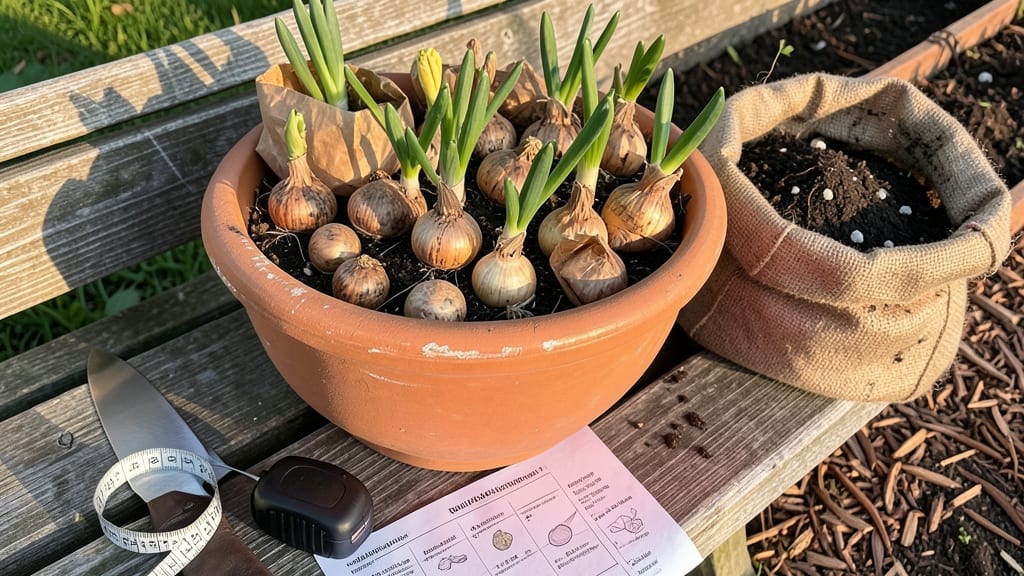
Planting Spring Bulbs (e.g., Tulip, Daffodil, Hyacinth, Crocus) 🌷 in Kansas isn’t just about timing—it’s about beating the clock before frost locks them out for good.
With Kansas’ 5b-6b zones, you’ve got a narrow window to get bulbs in the ground for vibrant spring blooms, and missing it means waiting another year for those cheerful pops of color.
Most gardeners swear by fall planting, but when exactly should you start? The answer depends on your location—whether you’re in Wichita’s warmer pockets or Kansas City’s cooler stretches.
I’ll break down the 4-6 week rule before the first frost hits, so you can plant with confidence and watch those bulbs thrive come April.
Beyond the calendar, Kansas’ unpredictable weather throws curveballs. Too early, and bulbs might sprout before winter sets in; too late, and they won’t root deeply enough. I’ll share the zone-specific tricks to extend your window, from mulching hacks to choosing the hardiest varieties for your area.
Ready to transform your garden into a spring paradise? Let’s dive into the exact months, soil prep secrets, and bulb types that will make your Kansas yard the envy of the neighborhood—without a single frost-related mishap.
Kansas planting zones & frost dates: when to plant for zero risk
Kansas spans USDA Zones 5-7, where frost dates vary dramatically between northern and southern regions. In Zone 5b (e.g., Hays), the average first frost hits by October 15, while Zone 7a (e.g., Wichita) may delay until November 1.
This 4-6 week window before freezing is critical for bulb roots to establish.
For zero frost risk, aim to plant bulbs 6-8 weeks before the ground freezes. In Zone 6b (Kansas City), that’s mid-September to early October. In Zone 7 (southwest Kansas), you might push planting until early November—but don’t wait too long!
Here’s the golden rule: Soil temps should be below 60°F (15°C) but above freezing when planting. Use a soil thermometer to check—this ensures bulbs won’t rot before winter sets in.
| Zone | City Example | First Frost | Planting Window | Soil Temp Goal |
|---|---|---|---|---|
| 5b | Hays | Oct 15 | Sep 15–Oct 1 | 50–60°F |
| 6a | Salina | Oct 25 | Sep 20–Oct 10 | 50–60°F |
| 6b | Kansas City | Nov 1 | Sep 25–Oct 15 | 50–60°F |
| 7a | Wichita | Nov 10 | Oct 1–Nov 1 | 55–65°F |
Missed the fall window? Spring planting is possible for hardy bulbs like crocuses or snowdrops, but most varieties (tulips, daffodils) need 6-8 weeks of chill time to bloom. Plant these in March for late-spring flowers.
Pro tip: Use local frost date maps from the Kansas State University Extension or Almanac’s Frost Calculator to fine-tune your schedule. These tools account for microclimates (e.g., urban heat islands in Kansas City vs. rural areas).
For container gardens, plant bulbs 2-4 weeks earlier than in-ground—pots cool faster in fall. Bury containers in straw or leaves to insulate roots if frost threatens early.
Remember: Early planting = bigger blooms. Bulbs planted in September often produce 20% more flowers than those planted in October. Start early to beat the rush!
🌱
Best fall planting schedule for popular Kansas bulbs (tulips, daffodils, hyacinths)
Kansas gardeners know that fall planting is the golden ticket for spring bulbs like tulips, daffodils, and hyacinths. But with USDA zones 5b-7a, your timing must align with soil temperatures and frost dates.
Most bulbs need 6-8 weeks to root before winter sets in, so the clock starts ticking in September for most of the state.
For Zone 5b (e.g., Hays, Salina), aim for mid-September to early October—earlier than Zone 6 or 7, where you’ve got until mid-November. The key is watching soil temperatures: bulbs thrive when soil is 50-60°F and cooling.
Use a soil thermometer if you’re unsure, or follow local frost alerts.
Here’s how to match your bulb type to Kansas’ planting windows for zero frost risk:
Notice how daffodils and hyacinths have later windows? That’s because they’re hardier and can handle cooler soils. Tulips, on the other hand, need that earlier start to avoid winter rot. Always plant bulbs 6 inches deep (or 6x the bulb’s height) and 6 inches apart for airflow.
Pro tip: If you’re in Zone 7a (Kansas City) and miss the fall window, you can still plant tulips and crocuses in early spring (March), but daffodils and hyacinths won’t bloom as reliably. For spring planting, wait until soil warms to 55°F and frost risk drops below 10%.
Don’t let Kansas’ unpredictable frosts catch you off guard. Mark your calendar for October 15th—the average first frost date—and count backward 6 weeks. That’s your last call for most bulbs. And if you’re in doubt, crocuses are your safest bet—they’ll pop up even after light frosts!