
Plants
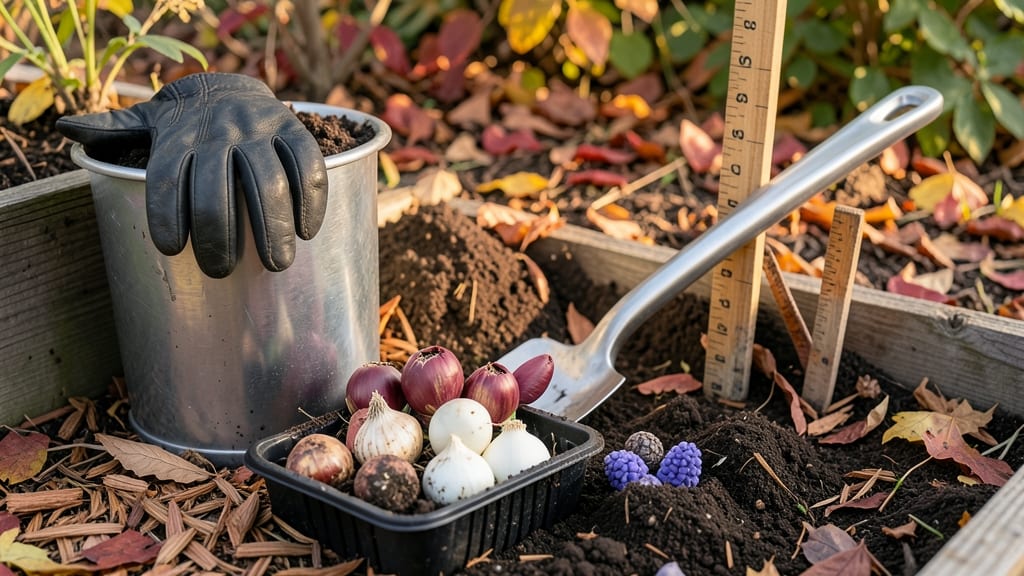
Planting bulbs at the wrong time in Oklahoma’s 6a-8a zones can mean the difference between a show-stopping spring garden and a sad, frozen disappointment. With frost dates shifting from November 5 in northern Oklahoma to November 25 in the south, timing is everything for 🌷 bulbs like tulips and daffodils.
Most gardeners in Oklahoma swear by fall planting—typically between October and November—when soil temps dip but before the ground freezes solid. This gives roots time to establish before winter’s chill sets in, setting the stage for vibrant blooms by next spring.
But here’s the catch: Southern Oklahoma’s milder winters mean you can push planting later, while northern areas need to get bulbs in the ground by early November. I’ll break down the exact deadlines for your specific zone so you never miss the window again.
Ready to transform your yard into a year-round display of color? Let’s dive into the zone-specific planting schedule that’ll make your 🌷 bulbs thrive—no matter where you are in the state.
Oklahoma planting zones: when to plant bulbs by hardiness area
Oklahoma’s diverse USDA hardiness zones (6b-8a) create unique planting windows for bulbs. In Zone 6b (northern OK), like Ponca City, aim to plant fall bulbs by November 1 to avoid winter heaving.
Meanwhile, Zone 8a (southern OK), such as Tulsa, offers a longer window until December 15 before the ground freezes. Spring plantings should happen 4-6 weeks before your last frost date, which ranges from February 15 in Zone 8a to March 20 in Zone 6b.
For spring-blooming bulbs like tulips and daffodils, fall planting is ideal—roots establish before winter, giving you earlier blooms next spring. Summer-blooming bulbs, such as dahlia tubers, should wait until after the last frost in spring (late March to early April).
Always check your local frost dates—Oklahoma’s unpredictable weather can shift deadlines by weeks!
| Zone | Fall Planting Deadline | Spring Planting Window | Key Bulbs to Plant |
|---|---|---|---|
| 6b (e.g., Ponca City) | October 15–November 1 | February 20–March 15 | Daffodils, Tulips, Crocus |
| 7a (e.g., Oklahoma City) | October 30–November 15 | March 1–March 15 | Alliums, Hyacinths, Rain Lilies |
| 7b (e.g., Lawton) | November 1–November 25 | March 10–March 30 | Dahlias, Gladiolus, Lilies |
| 8a (e.g., Tulsa) | November 15–December 15 | March 15–April 15 | Canna Lilies, Begonias, Caladiums |
If you miss the fall planting window, don’t panic! Many bulbs, like daffodils and alliums, tolerate early spring planting (February-March). However, they may bloom later in the season because roots need time to establish.
For tulips, which are less cold-hardy, spring planting is risky—they may not naturalize or bloom as robustly. Layering bulbs (planting multiple varieties in the same spot) extends your bloom season from early spring to late summer.
Southern Oklahoma’s warmer microclimates (like Zone 8a) allow for year-round bulb care. In these areas, summer-blooming bulbs like dahlias can be planted as late as April, while fall plantings can stretch into December if the ground hasn’t frozen.
Always amend clay-heavy soils with compost to improve drainage—Oklahoma’s heavy clay can suffocate bulbs if not prepped properly.
Pro tip: Use a moon planting calendar to align bulb planting with rooting phases (plant during the waxing moon for stronger roots). Pair spring-blooming bulbs with annuals or perennials that thrive in early spring, like heuchera or hellebores, to create long-lasting color.
In Zone 6b, consider mulching bulbs with 4-6 inches of straw after planting to insulate them from wild temperature swings.
For container gardening, plant bulbs in well-draining pots and place them in sheltered spots (like under eaves) to protect from late spring freezes.
In Zone 7a-8a, you can even plant bulbs in fall and overwinter them in containers on a covered porch or garage floor before moving them outdoors in spring. This trick works especially well for tender bulbs like cannas that need winter protection.
Remember: Oklahoma’s erratic weather means flexibility is key. If a hard freeze hits early, cover bulbs with mulch or burlap to prevent frost damage. Conversely, if unseasonably warm spells occur in late fall, delay planting until soil temps drop below 60°F to avoid premature sprouting.
Always test soil moisture before watering—bulbs rot in waterlogged soil, a common issue in Oklahoma’s clay-based gardens.
By tailoring your planting schedule to your zone and adjusting for Oklahoma’s quirks, you’ll enjoy show
Best bulbs for Oklahoma’s climate: frost-resistant varieties that thrive
Oklahoma’s mix of hot summers, variable winters, and occasional late freezes demands bulbs that are tough, adaptable, and frost-resistant. Not all bulbs thrive here—some struggle with the heat or freeze before blooming. But these top-performing varieties will reward you with stunning blooms year after year.
Start with daffodils and alliums, two of the hardiest choices for Oklahoma gardens. Daffodils (like 'Tête-à-Tête' or 'Ice Follies') tolerate heat and cold, while alliums (such as 'Gladiator' or 'Purple Sensation') add dramatic spherical blooms that deer often avoid.
Both handle Oklahoma’s clay-heavy soil better than delicate tulips.
🌱 Did You Know?
Oklahoma’s USDA Zones 6b-8a mean some bulbs bloom earlier in southern Oklahoma (like Zone 8a) than in northern areas (like Zone 6b). Plant rain lilies (Zephyranthes) and crocuses in fall—they’ll pop up after winter rains, even in Zone 7a.
🌷 Top Bulbs for Oklahoma Gardens
-
🌼 Daffodils (Narcissus)
Thrives in full sun; deer-resistant; blooms March-April.
-
🌷 Alliums (Ornamental Onions)
Drought-tolerant; June-July blooms; pest-resistant.
-
🌿 Rain Lilies (Zephyranthes)
Blooms after rain showers; heat-loving; perennial.
-
💛 Crocuses
Early spring blooms (February-March); naturalizes easily.
-
🌻 Daylilies (Hemerocallis)
Summer-long blooms; drought-resistant; Zone 5-9.
For extended bloom seasons, try layering techniques. Plant crocuses in fall for early spring color, then add tulips (like 'Darwin Hybrid') for mid-spring, and top with alliums for summer drama. This creates a continuous floral display from February through July.
If you love tulips, choose late-blooming varieties like 'Parrot' or 'Fosteriana' to avoid late spring freezes. Plant them in well-draining soil and mulch heavily in winter to protect roots. For summer blooms, dahlias and canna lilies thrive in Oklahoma’s heat but need staking and regular watering.
Pro tip: Avoid hyacinths in southern Oklahoma—they often bloom too early and get fried by summer heat. Instead, opt for heat-tolerant bulbs like rain lilies or gladiolus for late-season color. 🌿