
Plants
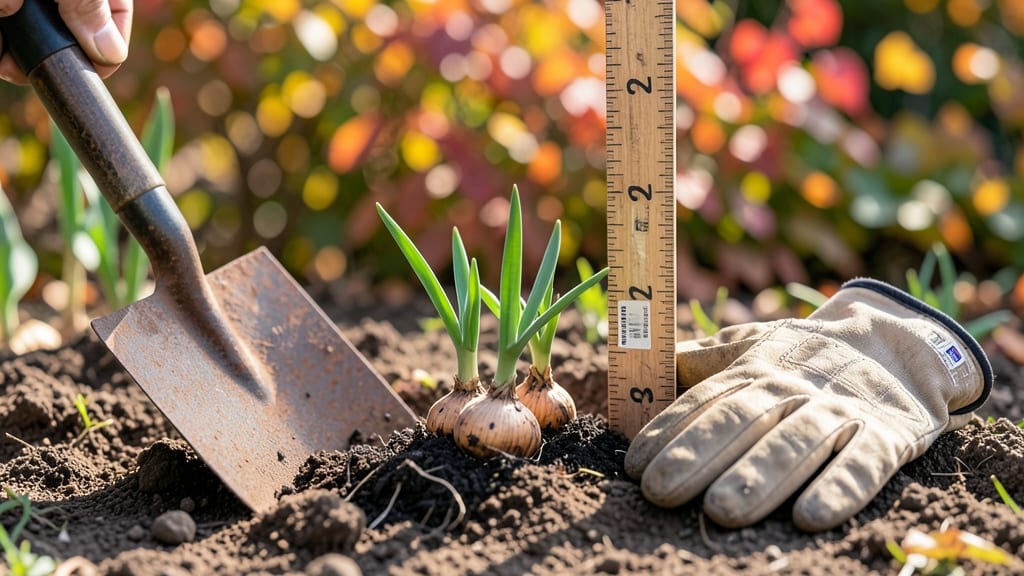
If you’ve ever planted bulbs in Zone 4 only to watch them freeze before spring, you’re not alone—but there’s a simple trick to guarantee survival.
The key lies in understanding when to plant bulbs in Zone 4, where timing can mean the difference between a vibrant spring display and a sad, snow-covered grave. Fall planting is your best bet, but even then, getting it wrong can leave your 🌱 daffodils and tulips struggling.
Zone 4’s harsh winters demand precision: plant too early, and bulbs may sprout before frost; too late, and they won’t root deeply enough to survive. The ideal window is 6-8 weeks before the ground freezes, typically between September and November, but not all bulbs thrive equally.
Some, like daffodils, handle cold better than tulips, which need extra protection. Let’s break down the exact steps to set your bulbs up for success—no guesswork, just blooms.
You’ll also discover why spring planting is a risky gamble (unless you’re dealing with specific varieties) and how to prep your soil for maximum survival. Mulching, soil amendments, and even microclimates play a role in keeping your bulbs safe through freeze-thaw cycles.
Skip these details, and you might end up with half the garden you planted. Ready to turn your Zone 4 yard into a springtime paradise? Let’s get started.
The best part? Once you nail the timing, your bulbs will reward you with years of effortless blooms. No more second-guessing—just confident planting and stunning results.
Whether you’re a first-time gardener or a seasoned pro, these insights will help you avoid common pitfalls and make the most of your Zone 4 growing season.

Fall planting schedule for Zone 4 bulbs: the golden window before freeze
In Zone 4, where winters can be brutal and frost arrives early, fall planting is your best bet for vibrant spring blooms. The key is to plant bulbs 6-8 weeks before the ground freezes, typically between mid-September and mid-November.
This timing lets roots establish before winter dormancy begins. For most of Zone 4, that means late September to early October is prime—just as temperatures start to dip and soil cools.
Why fall? Bulbs like tulips, daffodils, and crocuses need a period of cold to trigger blooming. Planting too early (like August) risks rot, while waiting until December leaves bulbs vulnerable to freeze-thaw cycles.
The 6-8 week window balances root growth with frost protection. For example, in Chicago (Zone 4b), aim for late September, while in Burlington, VT (Zone 4a), early October works better.
Soil temperature is your secret weapon. Bulbs need soil to be below 60°F (15°C) but not yet frozen. Use a soil thermometer to check—if it’s dropping below 50°F (10°C), it’s time to plant.
In Zone 4, this usually aligns with late September, but watch your local first frost date (typically mid-September in Zone 4). Count backward 6-8 weeks to nail your planting window.
| Bulb Type | Ideal Planting Month | Planting Depth (inches) | Notes |
|---|---|---|---|
| Tulips | Late September - Early October | 6-8 | Needs winter chill; plant early in Zone 4a |
| Daffodils | October - Early November | 6-8 | Deer-resistant; tolerates late planting |
| Crocuses | September - October | 3-4 | Early bloomers; plant shallow |
| Alliums | October - November | 8-10 | Tall stems; needs deep planting |
| Hyacinths | October - Early November | 6-8 | Fragrant; plant in clusters |
Don’t overlook soil preparation—Zone 4’s heavy clay or sandy soils can stunt bulb growth. Amend your soil with compost or aged manure to improve drainage, and mix in a balanced fertilizer (5-10-10) at planting time.
For poor-draining areas, raise beds or plant bulbs on a slight mound. Mulch with 2-3 inches of straw after planting to insulate bulbs and retain moisture during winter.
Pro tip: Plant bulbs in groups of 10-15 for a dramatic display. Space them 3-6 inches apart, depending on variety—larger bulbs like tulips need more room, while crocuses can be snug. Label your beds if you’re trialing multiple types, as spring blooms can look identical until they open!
Watch for late-season squirrels, who love digging up bulbs for snacks. Scatter grapefruit halves or use wire mesh cages over newly planted beds until the ground freezes.
In Zone 4a, where winters are harsher, add an extra layer of mulch (4-6 inches) to protect bulbs from extreme cold snaps.
If you miss fall planting, don’t panic—early spring planting (March-April) can still work for some bulbs, but expect smaller blooms. The 6-8 week rule applies there too: plant by late April to give roots time to establish before summer heat sets in.
But fall is always the gold standard for Zone 4.
Remember: The earlier you plant in fall, the more time bulbs have to root before winter. Aim for late September to early October, and your garden will reward you with bold, early spring blooms that brighten up gray Zone 4 winters. 🌱
Spring planting bulbs in Zone 4: last-minute options for late bloomers
Spring planting isn’t the first choice for most bulbs in Zone 4, but it’s not a lost cause. When fall planting slips your mind or you’re adding late bloomers, spring offers a second chance—though with critical timing constraints.
The key is understanding which bulbs tolerate cooler soil and how to prep your garden bed to compensate for missed fall prep.
Most gardeners assume spring-planted bulbs won’t thrive, but daffodils, crocuses, and alliums often succeed when planted in March or early April. These varieties handle cooler soil better than tulips or hyacinths, which prefer the winter chill of fall planting.
The trade-off? They may bloom slightly later or produce fewer flowers the first year.
Soil temperature is your biggest ally in spring planting. Aim to plant when soil reaches 50°F (10°C)—use a soil thermometer to check. In Zone 4, this typically falls between mid-March and early April, just as winter’s grip loosens.
Planting too early risks soil heaving from freeze-thaw cycles, while waiting too long may stress bulbs before they establish roots.
Spring Planting Pros & Cons
⚠️- Second chance for missed fall planting
- Works for cold-hardy bulbs like daffodils
- Less competition from weeds in early spring
- Immediate visual impact if planted early
- Limited bulb selection—avoid tulips/hyacinths
- Slower establishment = fewer blooms first year
- Higher risk of soil heaving if planted too early
- #1 mistake: planting after soil warms past 50°F
Prepping your soil is non-negotiable for spring-planted bulbs. Work in compost or aged manure to improve drainage and fertility, then loosen the soil to 12 inches deep—this helps roots establish faster in the shorter growing season.
A light mulch (2-3 inches) of straw or shredded leaves after planting protects bulbs from temperature swings while allowing moisture to penetrate.
Watering is where many Zone 4 gardeners fail. Spring-planted bulbs need consistent moisture but hate soggy soil. Aim for 1 inch of water per week, delivered in the morning to reduce evaporation.
Avoid overhead sprinklers, which can dislodge bulbs or spread disease. Instead, use a soaker hose or drip irrigation to target the root zone directly.
If you’re planting in spring, prioritize daffodils (they’re deer-resistant too!) and crocuses, which naturalize beautifully. For a bold statement, try alliums—their globe-shaped blooms add height and drama. Just skip tulips and hyacinths unless you’re willing to accept sparse blooms or no flowers at all.
The #1 rule: plant by April 15 at the latest, or push your luck with next year’s fall schedule.