
Plants
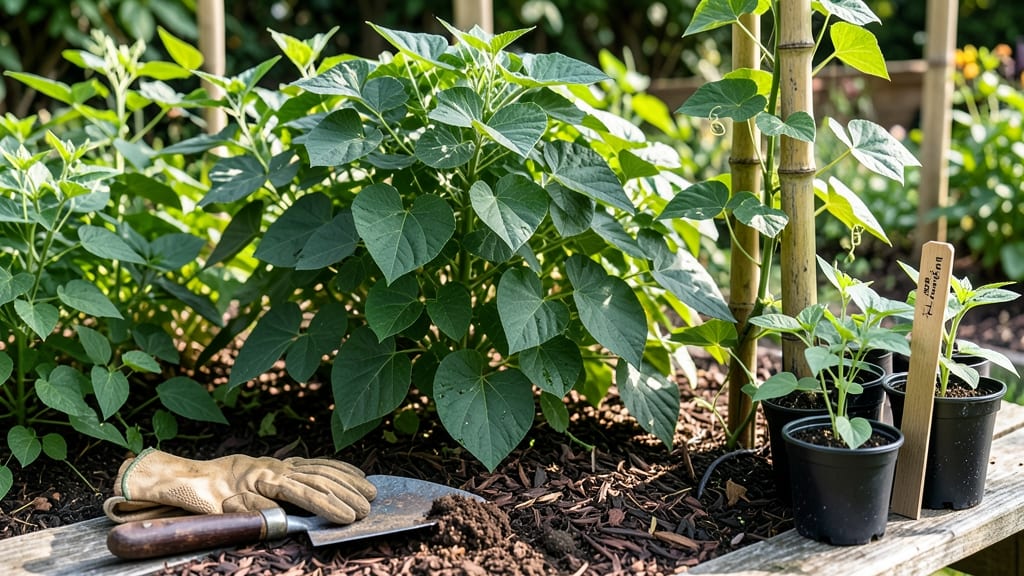
If you're wondering when to plant butter beans in NC, timing is everything—get it right, and you'll enjoy a garden full of these tender, flavorful pods from July through October.
Butter beans 🌱 love North Carolina's warm climate, but planting too soon risks frost damage, while waiting too long can shorten your harvest season.
The ideal window runs from mid-April to mid-June, right after your last frost date (usually around March 15 in most of the state). For USDA zones 7a-8b, this means waiting until soil temperatures hit at least 60°F—a critical factor for germination.
Skipping this step often leads to slow starts or failed sprouts, so don't rush it.
Here's the game-changer: direct sowing outdoors works best, but you can also start seeds indoors 4-6 weeks before your last frost for an early jump. Whether you're in the Coastal Plain, Piedmont, or Mountains, understanding your microclimate will help you fine-tune planting times for the best yields.
Ready to grow a thriving butter bean patch? I'll walk you through everything—from soil prep to regional adjustments—so you can enjoy fresh, homegrown beans all summer long.
Best planting times for butter beans in North Carolina by region
North Carolina’s diverse climate means your planting schedule should vary depending on whether you're in the Coastal Plain, Piedmont, or Mountain regions. Each area has unique frost dates and soil warming patterns that directly impact when you should plant butter beans for the best results.
For Coastal NC (e.g., Wilmington, Morehead City), the last frost typically occurs around March 15-20, giving you an earlier window to start planting. In contrast, the Piedmont (Raleigh, Charlotte) usually sees its last frost by March 25-30, while the Mountains (Asheville, Boone) can linger until April 10-15.
Here’s the critical detail: butter beans need warm soil (60°F+) and consistent temperatures above 70°F to germinate properly. Coastal areas often reach these conditions by mid-April, while mountain regions may need to wait until late May.
🌱
| Region | Last Frost Date | Ideal Planting Window | Soil Temp for Planting | Harvest Window |
|---|---|---|---|---|
| Coastal Plain | March 15-20 | April 15 - May 15 | 60-65°F | July - October |
| Piedmont | March 25-30 | April 30 - June 1 | 65-70°F | July - October |
| Mountains | April 10-15 | May 15 - June 15 | 70-75°F | August - October |
*Adjust dates 1-2 weeks earlier if using row covers for frost protection.
If you’re in a transition zone (like the Sandhills or Foothills), check your local USDA Zone 7a-8b frost maps for precision. For example, Fayetteville (Zone 8a) can plant as early as April 1, while Boone (Zone 6b) should wait until May 15.
Pro tip: Use a soil thermometer to confirm temperatures before planting. Cold soil can delay germination by 2-3 weeks, so don’t guess—measure!
For climbing varieties like ‘Scarlet Runner’, plant seeds 1 inch deep and 4-6 inches apart, while bush varieties like ‘Contender’ can be spaced closer (3-4 inches apart).
🌿
For direct sowing (the preferred method for butter beans), aim to plant seeds when nighttime temperatures stay above 55°F. This usually aligns with the last frost date + 2 weeks for most of NC.
If you’re unsure, err on the side of waiting—butter beans hate cold, and soggy, slow starts lead to weak plants.
One common mistake? Planting too densely. Butter beans need space to breathe, especially climbing types. In the Coastal Plain, where humidity is higher, space rows 18-24 inches apart to prevent fungal diseases like powdery mildew. In drier Piedmont areas, you can tighten spacing to 12-18 inches.
🪴
Soil temperature and butter bean germination: what you need to know
Butter beans 🌱 are warm-season lovers, and their germination hinges on soil temperatures between 70-85°F. If you plant too early when the ground is still cool, your seeds may rot in the soil or take weeks to sprout—if they sprout at all.
This is why checking soil temperature before planting is a game-changer for NC gardeners.
Most gardeners assume "spring" means it's time to plant, but without testing, you might be fooled by air temperature. A sunny April day can feel warm, but the soil might still be chilly.
Use a soil thermometer (just $10 at garden centers) to measure 2 inches deep—this is where seeds will germinate.
If your soil is below 60°F, wait at least 1-2 weeks or use black plastic mulch to warm it faster. In Coastal NC, soil warms quicker than in the Mountains, so adjust accordingly.
Pro tip: Plant in raised beds if your yard soil stays cool too long—they heat up faster!
⚠️ Warning: Cold Soil = Failed Seeds
Butter beans will not germinate below 55°F. If you plant too early and hit a cold snap, your seeds may:
- Rot in damp soil
- Sprout slowly (taking 3+ weeks)
- Attract pests like soil fungi
Solution: Wait until soil hits 60°F+ or use a seedling heat mat for indoor starts.
For direct sowing outdoors, aim for soil temps of 70°F+—this ensures germination in 5-10 days. If you're starting seeds indoors 4-6 weeks early, use a heat mat to mimic summer conditions. Without one, germination can stretch to 2-3 weeks, delaying your harvest.
One trick I swear by? Plant a test row of fast-germinating seeds (like radishes) a week before your butter beans. If they sprout quickly, your soil is ready! If not, wait another week. This simple test saves time and frustration.
Remember: Butter beans thrive in warm, consistent temperatures. Once planted, they’ll grow fastest when nights stay above 60°F—so keep an eye on your local frost-free forecast to avoid late-season surprises.