
Plants
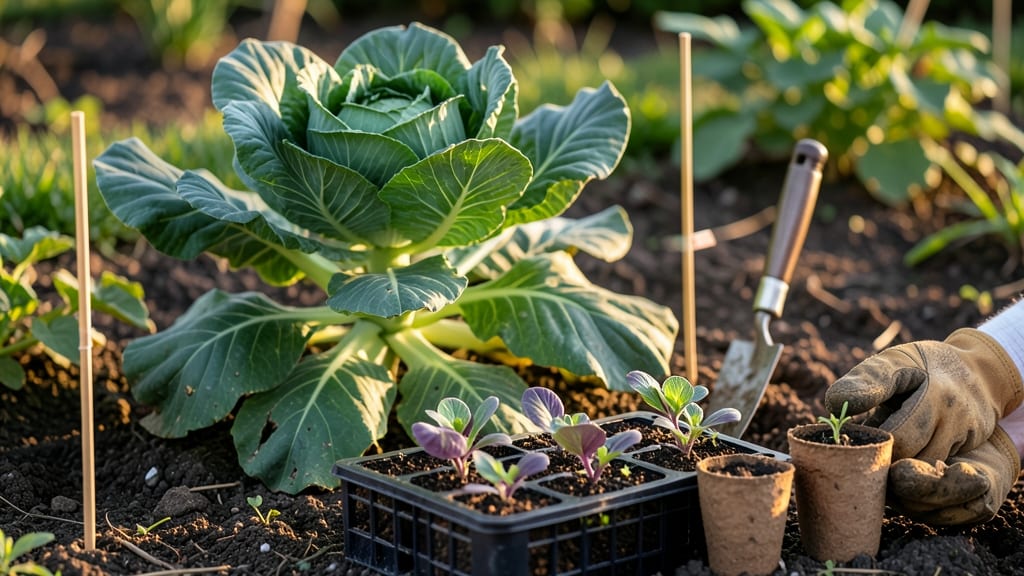
Planting cabbage at the wrong time in California can turn your crisp, sweet heads into bitter, bolted disappointment—fast.
Between coastal Zone 10 and inland Zone 9, the timing for 🥬 cabbage varies wildly. One wrong move, and your plants will race to flower before you can harvest. But here’s the good news: with the right schedule, you can grow cabbage year-round—even in Southern California’s heat.
I’ll break down the exact coastal vs. inland planting windows to avoid bolting, plus pro tips for extending your harvest season. No more wasted seeds or bitter surprises—just perfect, bolt-free cabbage.
Ready to master your California cabbage calendar? Let’s dive into the timing that actually works.
California cabbage planting calendar: coastal vs inland timing to avoid bolting
California’s diverse microclimates mean your cabbage planting window varies dramatically between coastal and inland zones. While coastal gardeners enjoy year-round growing, inland areas face heat stress that triggers bolting if planted too early. Understanding these temperature thresholds is key to avoiding bitter, flower-stalked cabbage.
For coastal regions (like San Francisco or Santa Barbara), fall planting in September–October gives you spring harvests before summer heat sets in. Meanwhile, inland valleys (Sacramento, Fresno) should focus on winter plantings from November–January to escape summer’s 100°F+ temperatures that send cabbage into premature flowering.
Here’s the critical difference between zones: coastal areas have no frost risk and mild winters, while inland zones face frost dates that limit late-season plantings. Let’s break down the exact planting windows to keep your cabbage sweet, crisp, and bolt-free.
🌱
Notice how desert regions have the shortest window—only fall plantings work because summer heat (even in USDA Zone 9) pushes soil temps above 80°F, triggering bolting. Meanwhile, coastal gardeners can plant twice a year thanks to mild winters and cool summers.
For inland zones, November–January is your sweet spot because soil stays cool enough (below 65°F) to prevent bolting. If you’re in Southern California’s desert, stick to October plantings and harvest by February before the spring heat arrives.
Pro tip: Use a soil thermometer to confirm temps before planting—cabbage roots need 45–65°F soil to thrive. If your soil runs hotter than 70°F, your plants will bolt within weeks, no matter how much you water.
💧
Now that you’ve got the timing down, let’s talk about extending your season with frost protection and heat hacks—because even the best planting window can go wrong if you don’t adjust for California’s quirks.
How to extend your cabbage season: success tips for fall/winter and spring plantings
California’s mild coastal winters and hot inland summers make cabbage growing a balancing act. But with the right strategies, you can enjoy fresh 🥬 cabbage from fall through spring—even in Southern California’s heat. Here’s how to extend your harvest season without bolting disasters.
Start with sequential planting. Instead of one big batch, sow seeds every 3–4 weeks from September through January. This ensures a steady supply of young plants that won’t overheat or bolt prematurely.
For example, plant your first batch in late August (coastal) or October (inland), then repeat every month until winter.
Frost protection is key for coastal gardeners. Use layered frost cloth (30% shade) when nighttime temps drop below 40°F. Anchor the cloth with bricks or stakes to prevent wind damage. In inland areas, focus on shade cloth during summer heat—opt for 30–50% shade when temps exceed 85°F.
🔹 5 Pro Tips to Extend Your Cabbage Season
- Layered frost cloth for coastal winters: Use 30% shade cloth + row covers for 30–40°F nights.
- Shade cloth schedule for inland summers: Deploy 50% shade when temps hit 85°F+.
- Soil temperature test before transplanting: Wait until soil reaches 45°F+ (use a soil thermometer).
- Succession planting every 3–4 weeks from September–January for continuous harvests.
- Heat-tolerant varieties: Try 'Golden Acre' or 'Red Express' for 75–85°F growing zones.
Don’t skip soil temperature checks. Cabbage roots struggle in cold soil, leading to stunted growth or bolting. Use a soil thermometer to confirm temps are 45°F+ before transplanting seedlings. For inland gardeners, this might mean waiting until late October or November—patience pays off!
For spring plantings, focus on late winter (February–March). Choose bolt-resistant varieties like 'Early Jersey Wakefield' or 'Winterbor', which tolerate brief heat spikes. Pair this with drip irrigation to keep roots cool and consistent.
Pro tip: Mulch heavily with straw or wood chips to regulate soil temps. In summer, mulch keeps roots cool; in winter, it insulates against frost. Aim for a 3–4 inch layer around plants for best results.