
Companion Plants
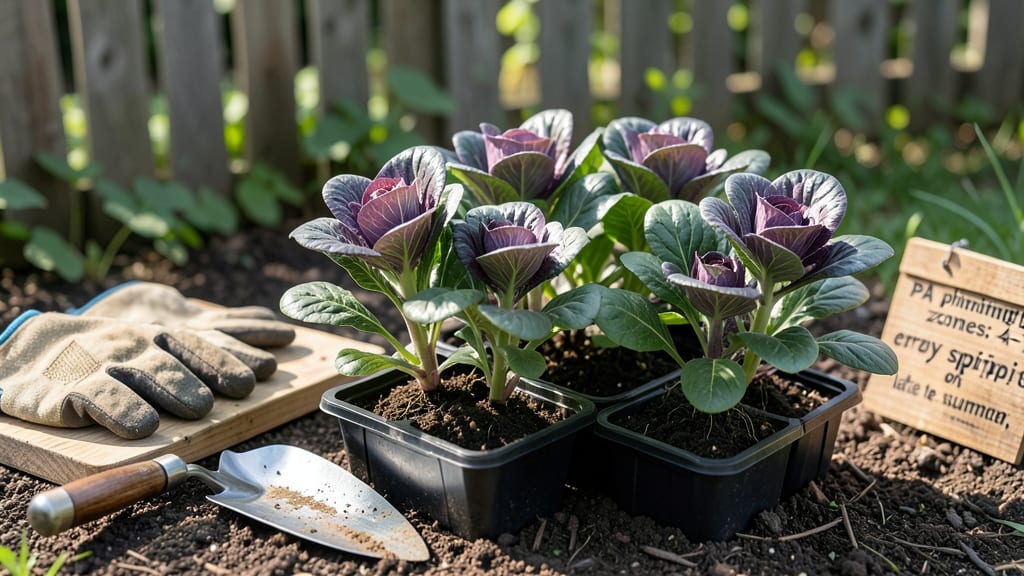
Knowing when to plant cabbage in PA can mean the difference between a bountiful harvest and a sad, wilted disappointment—especially when frost sneaks in earlier than expected.
Pennsylvania’s varied climate zones (from the cooler Poconos to the warmer Philadelphia area) make timing everything, and getting it wrong could leave your 🌱 dreams in the dust.
Most gardeners here swear by planting in early spring, but did you know that late summer or early fall plantings often yield just as well? The key lies in understanding your specific USDA zone (typically 5-7 across PA) and adjusting for soil temperatures that stay above 40°F for consistent growth.
I’ll break down the exact windows you need to follow, so you can avoid common pitfalls like bolting or frost damage.
What if you’re in a region with unpredictable weather, like the Pittsburgh area? I’ll show you how to extend your growing season with simple tricks—like using row covers—that even beginners can master.
Whether you’re growing Golden Acre for quick harvests or Savoy for texture, timing is the game-changer that separates good yields from great ones.
Ready to stop guessing and start planting with confidence? Let’s dive into the exact deadlines, soil prep tips, and variety-specific advice that’ll have your cabbage thriving from spring through fall—no matter where in Pennsylvania you’re gardening.
Pennsylvania cabbage planting deadlines by variety type
Pennsylvania’s USDA Zones 5-7 create a unique challenge for cabbage growers—late spring frosts and early fall freezes demand precise timing.
Whether you're growing early varieties like Golden Acre or late-season Savoy, knowing your last frost date (typically April 15-May 1) and first frost date (typically October 15-November 1) is critical. Miss these windows, and your cabbage heads may bolt or rot before harvest.
Most Pennsylvania gardeners successfully grow cabbage through two planting windows: early spring (for summer harvests) and late summer (for fall harvests). However, northern PA (Zone 5) has a shorter growing season than southern PA (Zone 7), meaning you’ll need to adjust deadlines by 1-2 weeks depending on your location.
For example, cabbage planted in Erie (Zone 6a) can tolerate later spring planting than cabbage in Scranton (Zone 5b).
Here’s the golden rule for Pennsylvania cabbage planting: Soil temperature must stay above 45°F for seeds to germinate, and air temperature should remain above 50°F for healthy growth. Using a soil thermometer is the easiest way to confirm readiness—wait until soil hits 50°F before planting seeds or transplants.
For spring planting, aim to have cabbage heads ready for harvest before July 4th to avoid summer bolting (when heat triggers premature flowering). In Zone 5, this means starting seeds indoors by March 1 and transplanting after May 15.
In Zone 7, you can push these dates 2 weeks later—indoor starts by March 15 and outdoor transplanting by May 30.
Fall planting is trickier but equally rewarding. To harvest before first frost, plant late-summer transplants (not seeds) by August 1 in Zone 5 or August 15 in Zone 7.
Fast-maturing varieties like Red Express (ready in 55 days) are ideal for fall, while slower varieties like Wisconsin All-Purpose (ready in 85 days) should only be planted in early spring.
🌱Pro Tip: If you’re unsure about your last frost date, check the Penn State Extension’s frost calendar for your county. Many Pennsylvania gardeners also use row covers to extend spring planting by 2-3 weeks—just remove them when daytime temps exceed 75°F to prevent overheating.