
Plants
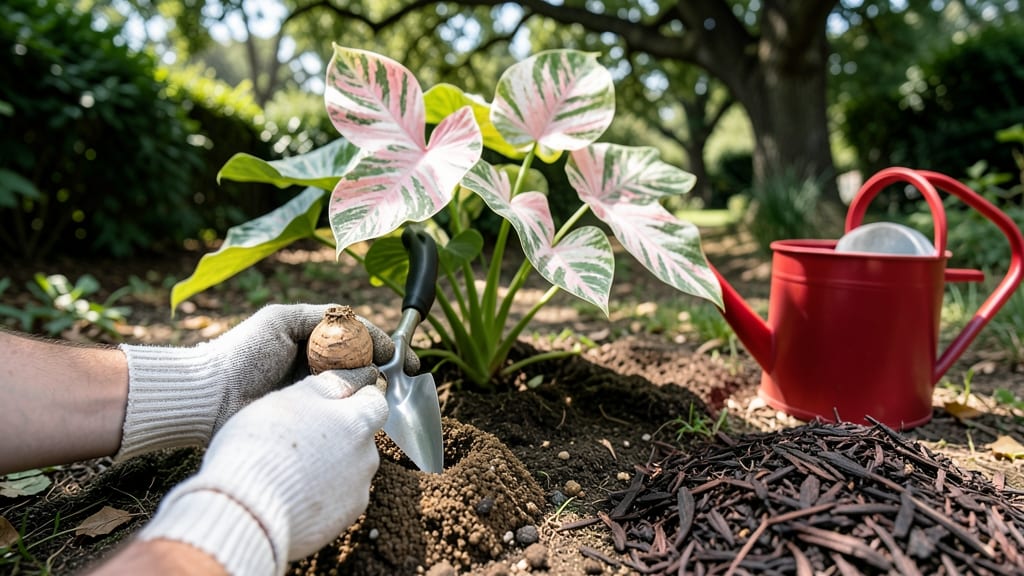
Timing your caladium bulb planting in Florida can make or break your summer garden’s dazzling display. These tropical beauties 🌿 thrive in heat but need the right window—plant too soon, and frost will fry them; too late, and you’ll miss their show-stopping foliage.
Most Florida gardeners swear by March to April as the perfect time, right after the last frost when soil warms to 65°F+. But here’s the catch: North Florida’s cooler pockets (like Gainesville) may need to wait until late April, while South Florida’s early start in February works just fine.
Why does timing matter so much? Caladiums are finicky about heat stress and soggy soil—get it wrong, and you’ll end up with limp leaves or worse. I’ll show you exactly how to nail the window, plus soil prep secrets to keep your plants lush all summer.
Ready to transform your yard into a vibrant oasis? Let’s dive into the must-know tips for planting caladiums that’ll turn heads—and last all season long.
Optimal Florida planting dates for caladium bulbs by climate zone
Florida’s diverse climate means your caladium bulb planting window depends on whether you live in North, Central, or South Florida. These tropical beauties thrive in warm soil (70°F+) and can’t tolerate frost, so timing is everything.
Let’s break down the perfect planting months for each region to ensure your caladiums burst into vibrant foliage all summer long.
In North Florida (USDA Zones 8a-9a), like Jacksonville or Gainesville, the last frost typically occurs between January 15 and February 15. This means you should wait until mid-to-late March to plant caladium bulbs. Planting too early risks cold soil, which can cause rot.
Meanwhile, Central Florida (Zone 9a), including Orlando, can plant as early as late February, while South Florida (Zone 10a-11), like Miami or Fort Lauderdale, can start planting in January—but only if soil temperatures are consistently above 65°F.
Here’s the golden rule: Plant caladium bulbs 2-4 weeks after your region’s last frost date when soil temperatures hit 70°F or warmer. This ensures roots establish quickly without the risk of frost damage or waterlogged soil.
For example, in Tallahassee (Zone 8b), aim for early April, while West Palm Beach (Zone 10b) gardeners can plant as early as late January.
If you’re eager to start earlier, consider container gardening, which warms up faster than in-ground soil. Planting caladiums in pots filled with warm compost can give you a 2-3 week head start in cooler regions.
Just ensure your containers have drainage holes to prevent root rot—a common issue when bulbs sit in soggy soil.
For late plantings, you can still get results by planting in May, but expect slightly smaller foliage and shorter bloom seasons. The trade-off? You’ll avoid the peak summer heat that can stress young plants.
If you’re in South Florida, late plantings in May can still thrive with afternoon shade and consistent watering.
Pro tip: Use a soil thermometer to check temperatures before planting. Caladium bulbs need consistent warmth to thrive, and soil temps below 60°F can stunt growth or cause rot. If your soil is still chilly, hold off until conditions improve—your caladiums will thank you with bold, vibrant leaves all summer!
Once planted, focus on partial shade (especially in Central and North Florida) to protect foliage from intense afternoon sun. Pair caladiums with shade-loving companions like impatiens, ferns, or hostas for a lush, tropical garden bed that thrives in Florida’s heat.
Timing your caladium planting right ensures you’ll enjoy their stunning foliage from summer through early fall. Whether you’re in freeze-prone North Florida or tropical South Florida, following these guidelines will give you the best possible display of these show-stopping plants.
Optimal Florida planting dates for caladium bulbs by climate zone
Florida’s climate varies dramatically from North to South, creating distinct planting windows for caladium bulbs. In North Florida (USDA Zones 8a-9a), aim for mid-March to early April after the last frost date—typically around February 15.
Meanwhile, Central Florida (Zones 9a-9b) can plant as early as late February, while South Florida (Zones 10a-11) enjoys a longer window from January to April, with minimal frost risk.
Soil temperature is critical: caladiums thrive when soil reaches at least 65°F. Use a soil thermometer to confirm—planting too early in cool soil causes rot. In North Florida, wait until soil warms consistently above 70°F, often by late March.
South Florida’s warmer climate means you can plant as early as January, but avoid peak summer heat (June-August) to prevent stress.
Pro Tip: Stagger your planting. For continuous summer color, plant 1/3 of your bulbs in March, another 1/3 in April, and the final batch in early May. This ensures non-stop foliage from June through October.
🌱 Florida Caladium Planting Timeline by Zone
| Zone | Last Frost Date | Ideal Planting Window | Soil Temp Threshold | Notes |
|---|---|---|---|---|
| North FL (8a-9a) | Feb 15 - Mar 1 | Mid-March to early April | ≥70°F | Wait for consistent warmth; mulch to retain heat. |
| Central FL (9a-9b) | Jan 15 - Feb 1 | Late Feb to early April | ≥65°F | Partial shade protects foliage from intense sun. |
| South FL (10a-11) | None (tropical) | January to April | ≥60°F | Avoid June-August heat; use containers for mobility. |
Missed the ideal window? No problem. Container gardening lets you plant caladiums in May or even June in North Florida, though they may need extra shade and frequent watering to compensate.
For South Florida, late plantings in May still yield summer foliage, but expect smaller, less vibrant leaves.
For longer displays, pair caladiums with heat-loving companions like coleus or impatiens. These plants thrive in the same partial shade and moist soil conditions, creating a lush, tropical border that blooms from June to frost.
Remember: Caladiums are not frost-hardy. If early fall temperatures drop below 40°F, protect your plants with mulch or containers you can move indoors. In North Florida, dig up bulbs after first frost (usually November) and store them in dry peat moss until next spring.