
Plants
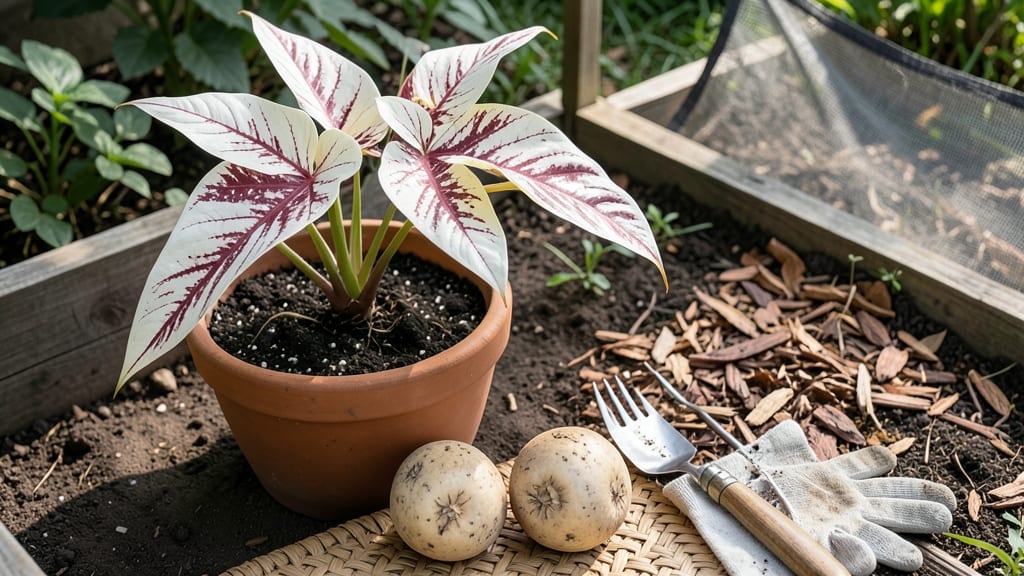
Planting caladium bulbs in Houston at the wrong time means wilting leaves and missed summer color—unless you follow the exact timing that works for Zone 9a. Unlike cooler climates, Houston’s heat demands patience and precision, and I’ve got the pro tips to help you nail it.
Most gardeners rush to plant too early, only to watch their 🌿 caladiums struggle in the lingering cold snaps of February. But timing isn’t just about the calendar—it’s about soil temperature, humidity, and even Houston’s infamous microclimates.
Whether you’re in the inland heat or coastal breeze, the perfect window starts when nighttime temps stay above 55°F (13°C).
In this guide, I’ll break down the best months for planting (hint: it’s not March in all cases), the heat-resistant varieties that thrive here, and how to avoid common mistakes that kill caladiums before they even bloom. No more guessing—just stunning foliage all season long.
Ready to transform your garden into a lush, shade-loving paradise? Let’s get those bulbs in the ground the right way—no second chances in Houston’s summer heat.
Best planting timeline for caladium bulbs in Houston’s climate zones
Houston’s USDA Zone 9a climate means caladiums can thrive year-round—but timing is everything. Unlike cooler regions, Houston gardeners must plant caladium bulbs after the last frost (typically mid-March to early April) when soil temperatures hit 65°F (18°C) consistently.
This ensures your bulbs sprout without risking frost damage or rot from soggy, cool soil.
For coastal Houston areas (like Galveston), where humidity lingers later, wait until early April to avoid fungal diseases. Inland zones (e.g., Katy or Conroe) can plant slightly earlier in late March when nights stay above 55°F (13°C). Always check Texas A&M’s frost data for your exact neighborhood.
Caladiums are heat-loving plants, so the goal is to get them established before Houston’s brutal summer arrives. Planting in March-April gives roots time to anchor before temperatures soar above 90°F (32°C). Delaying until May risks stressing your plants during the hottest months.
Here’s your Houston-specific planting timeline with soil temperature thresholds and care adjustments:
Pro tip: Use a soil thermometer to confirm readiness. Houston’s unpredictable spring weather can swing from 50°F (10°C) to 85°F (29°C) in weeks. Planting too early risks frost damage, while waiting too late stresses your caladiums before they establish roots.
For container gardening in Houston, plant caladium bulbs in well-draining pots by mid-April. Containers heat up faster, so monitor moisture closely—Houston’s summer sun can dry out pots in 3-4 days. Elevate pots on café trays to catch runoff and prevent root rot.
Remember: Caladiums are tropical plants that love humidity. Houston’s natural moisture works in your favor, but avoid planting in low-lying areas where water pools. Aim for slightly elevated beds or raised planters to ensure proper drainage.
Once planted, your caladiums will reward you with stunning foliage from May through October. With the right timing, you’ll enjoy vibrant leaves all summer long—even during Houston’s infamous heatwaves.
Best planting timeline for caladium bulbs in Houston’s climate zones
Houston’s Zone 9a/9b climate means caladium bulbs can’t handle early spring chill—but planting too late risks summer wilting. The ideal window is when soil temps hit 65°F (18°C) and nighttime lows stay above 55°F (13°C).
For Houston, this typically lands in mid-March to early April, but coastal areas may wait until late April due to lingering coastal breezes.
Most gardeners in Houston make the mistake of planting in February, only to watch their caladiums struggle through cold snaps. The key is soil temperature, not just air temperature. Use a soil thermometer to confirm readiness—65°F+ is non-negotiable for bulb survival and vibrant foliage growth.
Here’s the exact timeline I follow for Houston gardens, broken down by microclimate:
| Stage | Action | Houston Inland | Houston Coastal |
|---|---|---|---|
| Prep Soil | Test pH (6.0-7.0), amend with compost | Late February | Early March |
| Plant Bulbs | 1-2" deep, 6" apart | Mid-March | Late April |
| First Growth | Water deeply, mulch | April | May |
| Peak Bloom | Fertilize with 20-20-20 | June-July | July-August |
| Winter Care | Dig and store bulbs | November | October-November |
Pro tip: If you’re in a warmer microclimate (like near the Ship Channel), you can plant as early as February 15. But if you’re in the cooler inland areas, wait until after April 1 to avoid frost damage.
Always check the Texas A&M AgriLife Extension for your specific Houston zip code’s frost dates.
One common misconception is that caladiums can handle Houston’s summer heat after planting. While they do thrive in heat, they need time to establish roots before the 90°F+ temperatures hit. Planting in mid-March gives them a 6-8 week head start before peak summer heat arrives.
For container gardening, you can push planting to late April since pots warm up faster. Just ensure your containers have drainage holes—Houston’s humidity is enough to cause bulb rot if water pools.
Remember: Caladiums are not frost-tolerant. Even a 32°F (0°C) dip can kill them, so always monitor the National Weather Service for late-spring cold snaps. If frost is forecasted after planting, cover your caladiums with frost cloth or move containers indoors temporarily.