
Plants
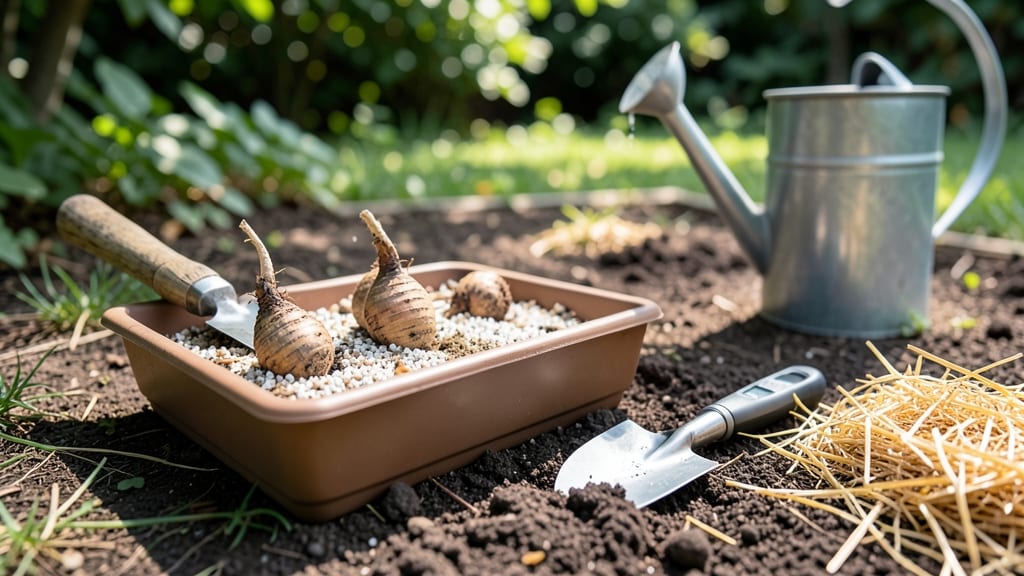
If you've ever dreamed of adding dramatic, tropical-style blooms to your Zone 5 garden but worried about when to plant calla lilies in zone 5, you're not alone.
The secret to growing stunning calla lilies 🌸 lies in planting them at the perfect moment—after the last frost when the soil warms up just right.
In Zone 5, where winters linger and frost can sneak in until mid-May, getting the timing wrong means risking stunted growth or even lost blooms.
But don’t stress—I’ll walk you through the exact window for planting rhizomes, plus pro tips to ensure your calla lilies thrive from late spring through early fall.
Whether you're a beginner or a seasoned gardener, knowing when to plant calla lilies in Zone 5 is the key to months of bold, show-stopping foliage. Let’s dive into the best practices so you can enjoy these elegant perennials without the guesswork.
From soil temperature checks to mulching strategies, I’ll cover everything you need to set your calla lilies up for success—because the right timing makes all the difference in your garden’s summer spectacle.

Zone 5 calla lily planting calendar: exact dates for frost-free success
In Zone 5, calla lilies thrive when planted during the frost-free window, which typically spans from late May to early July. This timing ensures your rhizomes or tubers establish roots before summer heat peaks, giving you bold blooms from July to September.
Missing this window risks frost damage or stunted growth, so let’s break down the exact dates and conditions for success.
First, confirm your last spring frost date—most Zone 5 regions experience it around mid-May. Wait 2-3 weeks after this date before planting, as soil needs to warm to at least 60°F for optimal root development.
For example, in Chicago, this means planting in early June, while Boston might push planting to late June due to cooler soils.
Here’s how to align your planting with Zone 5’s frost dates and soil conditions for maximum success:
For northern Zone 5 (e.g., Minneapolis), aim for June 1-15 to avoid late frosts. In southern Zone 5 (e.g., St. Louis), you can plant as early as late May if your soil warms faster.
Use a soil thermometer to verify—calla lilies won’t thrive in cold soil, even if the air is warm.
If you’re planting tubers (which are more active than rhizomes), push your timeline to early June to give them time to root before summer’s intensity. Tubers also benefit from partial shade in hotter microclimates, like south-facing gardens.
For rhizomes, which are easier to store and replant, stick to the late May-early June window.
Pro tip: Mulch immediately after planting with 2-3 inches of straw or shredded leaves to insulate roots and retain moisture. This is especially critical in Zone 5’s unpredictable weather swings. Avoid mulching too early—wait until soil is warm to prevent rot.
Finally, monitor your local extended forecast for heatwaves or late frosts. If a cold snap is predicted after planting, cover your calla lilies with frost cloth for a few nights. With the right timing, your calla lilies will reward you with lush foliage and dramatic blooms all summer long.
🌸
Fall vs. spring planting: which works better in Zone 5’s shorter growing season?
Zone 5’s short growing season makes the choice between fall and spring planting critical for calla lilies. Both approaches have pros and cons, and your decision hinges on your local frost dates, soil conditions, and how soon you want to see those dramatic blooms.
Let’s break down which strategy works best for your garden.
Spring planting is the most popular option for Zone 5 gardeners because it aligns with the natural growth cycle. By planting after the last frost date (typically mid-May), you give your calla lilies a full season to establish roots and bloom by summer.
This method is ideal if you want vibrant flowers in their first year, but it requires patience and careful monitoring of soil temperatures.
Fall planting, on the other hand, offers a head start for early blooms the following year. If you plant rhizomes in late August to early September, they’ll have time to root before winter dormancy.
This strategy is riskier in Zone 5 due to early frosts, but it can yield stunning summer flowers with minimal effort. The key is to plant early enough for roots to form before the ground freezes.
Fall Planting vs. Spring Planting
| Factor | Fall Planting | Spring Planting |
|---|---|---|
| Planting Window | Late August–early September | After last frost (mid-May) |
| Bloom Time | Next summer (early blooms) | Current summer (first-year blooms) |
| Risk Level | Higher (early frost risk) | Lower (warmer soil) |
| Effort Required | Moderate (mulching needed) | Higher (soil prep, monitoring) |
For fall planting, focus on planting 6-8 weeks before the first frost. Use a thick layer of mulch (3-4 inches) to insulate rhizomes and protect them from freezing. In Zone 5, this means aiming for early September at the latest.
If you’re in a warmer microclimate, you might push it to mid-September, but be prepared to cover plants with frost cloth if temperatures dip.
If you prefer spring planting, wait until the soil temperature reaches 60°F and all danger of frost has passed. This usually falls in late May to early June in Zone 5.
To speed up root establishment, soak the rhizomes in lukewarm water for 24 hours before planting. This jumpstarts growth and helps them adapt to cooler spring soils.
Pro tip: If you’re unsure which method to choose, try both! Dedicate one section of your garden to fall-planted rhizomes and another to spring-planted ones. This way, you’ll have blooms in both summer and next year’s summer, extending your calla lily season.
Just be sure to mark your planting areas to avoid confusion during maintenance.