
Plants
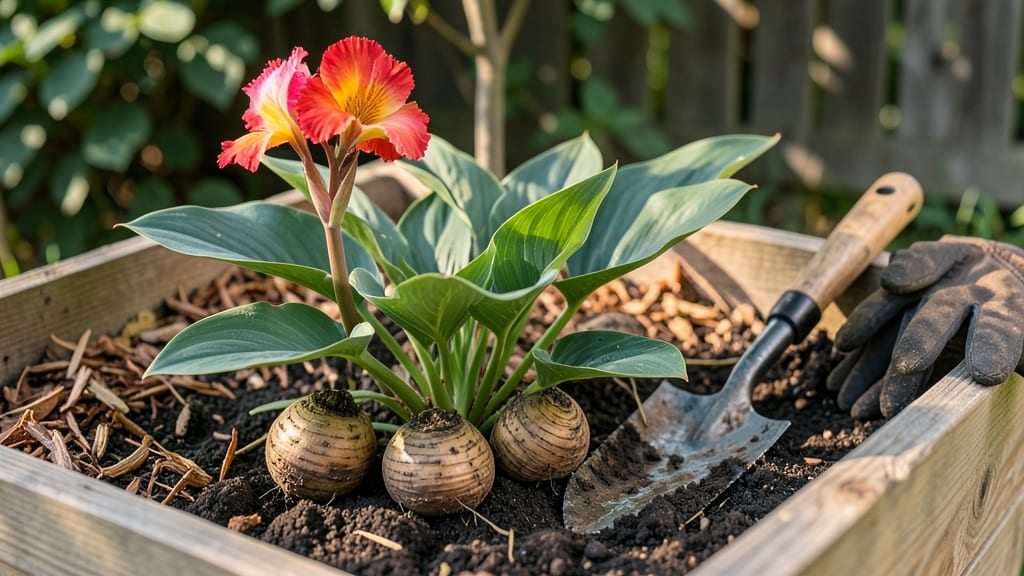
If you're dreaming of bold summer blooms in your Wisconsin garden, knowing when to plant these canna bulbs in Wisconsin is the key to success. The wrong move could mean frost-nipped plants or missed seasonal color—so when exactly should you get those rhizomes in the ground?
Wisconsin's 4b-5b climate zones mean you’ve got a narrow window—typically late spring to early summer—to plant canna bulbs after the last frost. But here’s the catch: rushing too early risks damage, while waiting too long cuts your bloom time short.
Let’s break down the zone-specific deadlines that’ll give you the most vibrant displays from June through October.
I’ve tested these strategies in Wisconsin gardens, and the difference between a 5-minute planting session and a 3-month wait for blooms comes down to soil temperature, frost dates, and a few local tricks. Ready to transform your garden with tropical drama? Here’s how to nail the timing—no guesswork required.
From mulching to container hacks, we’ll cover everything you need to know to keep your 🌺 Canna Lily thriving through Wisconsin’s short but sweet growing season. Let’s get those rhizomes in the ground at the perfect moment!
Wisconsin’s best planting windows for canna bulbs by hardiness Zone
Wisconsin’s USDA hardiness zones 4b-6b create unique challenges for growing canna lilies. These tropical plants thrive only when planted after the last frost, but Wisconsin’s late spring frosts (often mid-May) demand precise timing.
The key is waiting until soil temperatures consistently reach 60°F+—a critical threshold for canna rhizomes to sprout.
In Zone 4b (northern WI), aim for late May to early June after your last frost date. Gardeners in Zone 5a-5b (central WI) have a slightly longer window—mid-May to early June.
Meanwhile, Zone 6b gardeners (southern WI) can plant as early as mid-April to May, provided no more frosts are forecasted.
Here’s the golden rule: Never plant cannas before Memorial Day in northern WI or before Mother’s Day in southern WI. These dates correlate closely with frost-free probabilities and soil warming trends across the state.
| USDA Zone | Last Frost Date | Ideal Planting Window | Soil Temp Requirement | Key Tip |
|---|---|---|---|---|
| Zone 4b | Mid-May | Late May to early June | 60°F+ (consistent) | Use black plastic mulch to warm soil faster |
| Zone 5a | Early May | Mid-May to early June | 60°F+ (consistent) | Start rhizomes indoors in April for head start |
| Zone 5b | Late April | Early May to late May | 60°F+ (consistent) | Plant near south-facing walls for extra warmth |
| Zone 6b | Mid-April | Mid-April to May | 55°F+ (minimum) | Can plant as early as April if soil is workable |
For container gardening, Wisconsin gardeners gain flexibility. Containers warm up faster than soil, allowing Zone 4b gardeners to plant 2-3 weeks earlier than in-ground plantings. Just ensure containers have drainage holes and use heat-retaining fabric to protect roots from evening chills.
Pro tip: Use a soil thermometer to verify soil temps. Canna rhizomes won’t sprout below 55°F, even if frost risk is low. Patience here prevents rot and ensures vigorous growth.
In southern Wisconsin (Zone 6b), you can push the envelope by planting rhizomes in pots indoors in March and transplanting after last frost. This extends your bloom season by 3-4 weeks compared to direct outdoor planting.
Remember: Canna lilies need 120-150 days to mature. Planting too late means missed summer blooms—so mark your calendar for late May to early June as the safest bet for most Wisconsin gardeners.
For extra insurance, cover young plants with frost cloth until stems are 6 inches tall. This simple step can save your cannas from unexpected late frosts, even in June.
How to extend canna blooms in Wisconsin’s short growing season
Wisconsin’s cool summers and early frosts can cut canna blooms short, but with the right strategies, you can stretch those vibrant 🌺 flowers until fall. The key?
Start with warm soil, protect tender growth, and use containers for flexibility. I’ve grown cannas in Zone 5b for years—here’s how I maximize their season.
First, prep your soil in early spring by adding compost or aged manure to boost warmth. Cannas thrive in soil temps above 60°F, so consider using black plastic mulch to raise ground temperatures faster. This trick can give you 2-3 extra weeks of growing time before planting.
🌱 Proven Strategies to Extend Canna Blooms
- 🌡️ Warm soil first: Wait until soil reaches 60°F+ (use a soil thermometer)
- ☀️ Full sun placement: Choose south-facing spots with no shade after noon
- 🪴 Container flexibility: Use 15+ gallon pots for easy frost protection
- 🌿 Mulch heavily: Apply 4-6 inches of straw mulch to insulate roots
- 🌸 Deadhead regularly: Remove spent blooms to encourage new flowers
For container gardening, I recommend 15-gallon pots with drainage holes—this lets you move plants to garages or porches when night temps drop below 50°F. Add slow-release fertilizer at planting time to fuel continuous blooming. In my Madison garden, this method has kept cannas flowering until mid-October.
When early frost threatens (usually by mid-October in Wisconsin), cut back foliage to 6 inches above the ground and cover with straw or row fabric. This protects the rhizomes so they can regrow next spring.
For potted cannas, move them indoors to a bright, cool spot (like a sunroom) and reduce watering.
One game-changer I learned from local UW Extension experts: plant cannas near heat-retaining structures like brick walls or patios. The extra warmth can delay frost damage by 1-2 weeks. Pair this with regular pruning of yellowing leaves to redirect energy to new growth.
Don’t forget to harvest rhizomes before hard frost hits! Dig them up, trim the foliage, and store in dry peat moss at 40-50°F until spring. With these techniques, you’ll enjoy bold canna blooms well into Wisconsin’s golden autumn. 🍂