
Plants
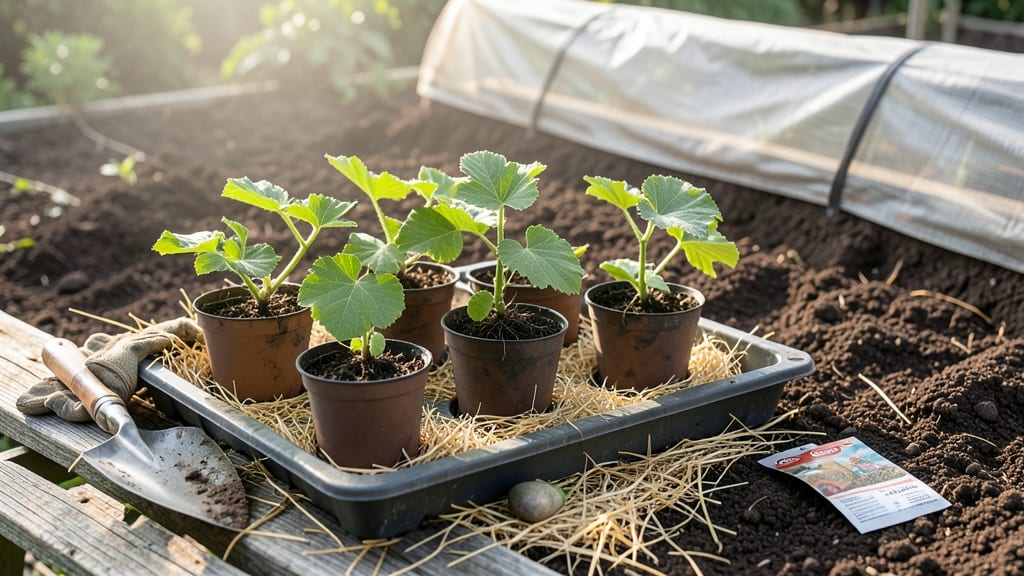
Timing your cantaloupe planting in Zone 6 can make or break your harvest—get it wrong, and you might end up with bitter melons or no fruit at all.
The key is waiting until after the last frost, when soil temperatures hit a steady 70°F, which typically means mid-April to early May in most of Zone 6.
Why does this matter? Cantaloupes are heat-loving plants—🍉 they won’t thrive in cool soil, and planting too early risks stunted growth or frost damage. But don’t wait too late either; you want vines to establish before summer’s peak heat arrives.
In this guide, I’ll walk you through the exact window for planting, whether to start with transplants or direct sow seeds, and how to protect your crop if late frosts sneak in.
You’ll also learn how to recognize when your melons are ready to harvest—because nothing beats that first sweet bite of homegrown cantaloupe!
Ready to grow a bumper crop? Let’s dive into the best strategies for Zone 6 gardeners to maximize your cantaloupe yield this summer.

Zone 6 last frost dates and ideal planting windows for cantaloupe
Cantaloupes are heat-loving annuals that refuse to thrive in cool soil or chilly nights. In Zone 6, your planting window is short—just 2-3 weeks—so timing is critical. The average last frost date for Zone 6 falls around mid-April, but don't rush to plant!
Cantaloupes need warm soil (70°F+) and consistent temperatures above 60°F to germinate and grow properly.
If you plant too early, your seedlings will linger in the soil, become leggy, and struggle to produce fruit. Worse yet, a late frost can kill young vines before they even get a chance to establish. The sweet spot?
Wait until late April to early May, when soil temperatures reliably stay warm and nighttime temps are consistently above 55°F. This gives your cantaloupes a 100+ day growing season before the first frost hits in mid-October.
For reference, most cantaloupe varieties take 75-90 days to mature from seed. If you're using transplants (which are less common for cantaloupes), start them indoors 3-4 weeks before your last frost date.
But if you're direct sowing (the preferred method), wait until the soil is at least 70°F—a soil thermometer is your best friend here!
Here’s a quick Zone 6 planting timeline to keep in mind:
- Late April: Soil warms to 70°F+ (ideal for direct sowing)
- Early May: Last safe window for planting
- June-July: Vines establish and flower
- July-August: Fruit development (harvest begins)
| Stage | Action | Key Details |
|---|---|---|
| Soil Prep | Test soil pH | Aim for 6.0-6.8; amend with lime or sulfur if needed. |
| Planting Window | Direct sow seeds | Late April–early May when soil hits 70°F+. |
| Germination | Keep soil moist | Seeds need consistent moisture but avoid waterlogging. |
| Vine Establishment | Thin seedlings | Leave 2-3 strongest vines per hill, 3-4 ft apart. |
| Fruiting Stage | Monitor pollination | Hand-pollinate if bees are scarce; tap flowers gently. |
| Harvest Ready | Check ripeness | Cream-colored rind, sweet aroma, and slippery stem. |
Pro tip: Use a soil thermometer to confirm warmth before planting. Cantaloupes won’t germinate in cold soil, no matter how much you water them. If your soil is still chilly in May, consider black plastic mulch to speed up warming—this can shave off 1-2 weeks of waiting time!
Another key factor is day length. Cantaloupes need long, sunny days to set fruit. In Zone 6, days are already lengthening by late April, but if you plant too early, your vines might bolt (flower prematurely) or produce small, bitter fruit.
Balance is key—don’t rush, but don’t wait until June either!
If you’re in the northern half of Zone 6 (e.g., Zone 6a), your frost risk lingers slightly longer. Err on the side of caution and wait until early May to plant.
In the southern half of Zone 6 (e.g., Zone 6b), you might squeeze in a late April planting if your microclimate is warmer.
Remember, cantaloupes are annuals, so each year is a fresh start. Track your local frost dates and soil temps for a few years to refine your planting schedule. Over time, you’ll nail the perfect window for juicy, vine-ripened cantaloupes every season!
Zone 6 last frost dates and ideal planting windows for cantaloupe
In Zone 6, cantaloupe (🍉) thrives when soil temperatures consistently reach 70°F or warmer. This typically happens 2-3 weeks after your average last frost date, which in most Zone 6 regions falls around mid-April to early May.
Planting too soon risks frost damage, while waiting too long may shorten your harvest window.
Cantaloupes are warm-season crops that cannot tolerate frost. Even a light frost can kill young seedlings, so always check your local last frost date (usually April 15-May 1 in Zone 6) before planting.
For the best results, aim to plant seeds directly in the ground after this date, as transplants struggle to establish in cool soil.
| Stage | Action | Notes |
|---|---|---|
| Soil Warm-Up | Wait for soil to reach 70°F | Use a soil thermometer; black plastic mulch speeds this up |
| Last Frost | Plant 2-3 weeks after | Average Zone 6 date: April 15-May 1 |
| Direct Sowing | Plant seeds 1 inch deep | Space 2-3 feet apart; vines spread widely |
| Harvest Window | Ready in 75-90 days | Peak harvest: July-August |
If you're eager to start earlier, consider using row covers or cold frames to protect seedlings until soil warms. However, cantaloupes hate cold soil, so avoid rushing—cool roots lead to poor germination and stunted growth.
For a second harvest, you can try a late-June planting, but expect smaller fruits before frost.
Pro tip: Black plastic mulch raises soil temperatures by 10-15°F, letting you plant 1-2 weeks earlier without frost risk. Just remove it once vines start spreading to prevent overheating. Pair this with drip irrigation to keep roots consistently moist during dry spells.
Remember, cantaloupes need long, warm days to mature. In Zone 6, your 165 frost-free days mean you’ll likely get 1-2 harvests per year if timed correctly. Start seeds indoors 4-6 weeks before your last frost for transplants, but direct sowing is easier and often more successful.
For the best flavor, prioritize soil warmth over early planting. A cantaloupe grown in 75°F+ soil will taste sweeter and ripen faster than one struggling in cooler conditions. Patience here pays off with juicier, more aromatic melons!