
Plants
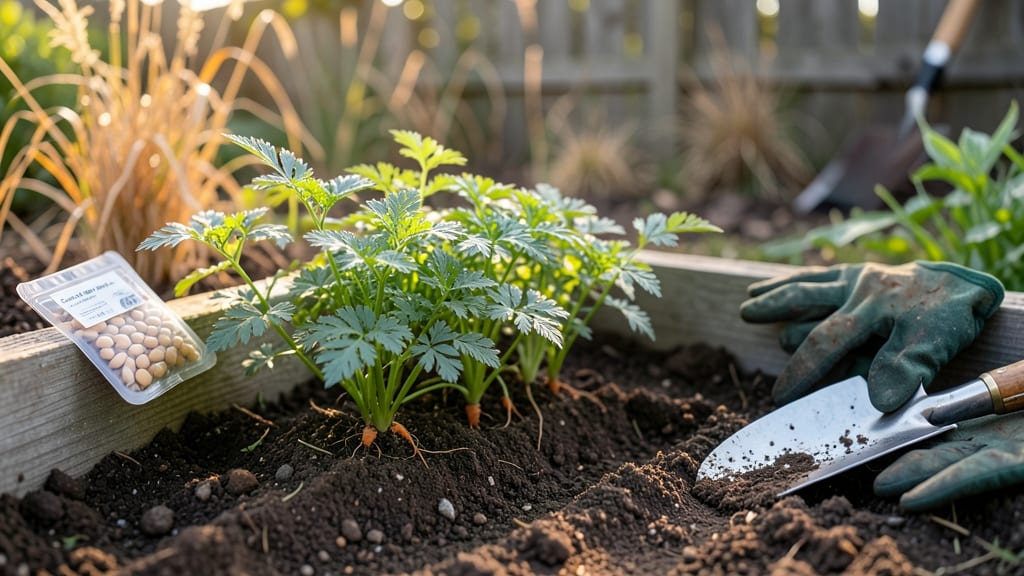
Timing your 🥕 carrot planting in Connecticut can mean the difference between a sweet, crisp harvest and a bitter disappointment—especially when unpredictable spring frosts or scorching summer heat throw off your plans.
If you’ve ever watched your carefully planted seeds bolt into flower or turn woody under the wrong conditions, you know how critical the right window is.
Connecticut’s Zone 6a climate gives you two prime chances to grow perfect roots: early spring and late summer, but getting the timing just right requires knowing your last frost date and soil temperature.
I’ll walk you through the exact frost-free timeline for Connecticut, including how to adjust for microclimates like coastal areas versus inland zones. You’ll also discover three key planting windows—plus pro tips for succession planting to keep your kitchen stocked from July through October.
Whether you’re a backyard gardener or a container enthusiast, these strategies will help you avoid common pitfalls and grow carrots that are sweet, straight, and ready to harvest—no guesswork required.
Connecticut carrot planting calendar: frost dates and soil temperature guide
Timing your carrot planting in Connecticut depends on two critical factors: frost dates and soil temperatures. Since CT falls in USDA Zones 5b-6a, we have a short growing season—about 165 frost-free days—so planning is key to avoid bolted or woody roots.
The last spring frost typically hits around April 15, while the first fall frost arrives by October 15.
Carrot seeds need soil temperatures between 55°F and 85°F to germinate properly.
If you plant too early, cold soil will delay sprouting, while late planting in hot soil can cause seeds to dry out before germinating. Coastal areas like New Haven may have slightly earlier frost dates, while inland regions like Hartford can experience later frosts.
Always check your local microclimate for accuracy.
Here’s your Connecticut carrot planting calendar, broken down into three ideal windows to maximize your harvest:
For early spring planting, start seeds indoors in late February or use cold frames to protect young seedlings.
Once soil warms to 55°F, transplant outdoors or direct-sow. Late spring is the most reliable window—plant after the last frost date (usually May 1 for most of CT) for a summer harvest.
Fall planting is a game-changer for CT gardeners. Sow seeds in late July or early August to harvest before the first frost. Choose shorter-day varieties like Paris Market, which mature faster in cooler weather. Mulch heavily to extend the season and protect roots from early cold snaps.
If you’re growing carrots in containers, start seeds indoors in late March and transplant to pots by mid-April. Containers warm up faster than garden beds, giving you a 2-3 week head start. Just ensure pots are at least 12 inches deep—shallow containers will stunt root growth.
Pro tip: Use a soil thermometer to monitor temperatures. If soil is below 55°F, wait or use black plastic mulch to warm it up faster. For rocky CT soil, mix in compost or sand to prevent forked roots—a common issue in dense soil.
Don’t forget to thin seedlings to 2-3 inches apart once they’re 2 inches tall. Crowded carrots compete for nutrients and grow small and misshapen. This is also a great time to fertilize lightly with a balanced 5-10-10 to encourage root development.
🌱
Connecticut carrot planting calendar: frost dates and soil temperature guide
Connecticut’s Zone 6a/5b climate creates a 165-day frost-free window—perfect for two carrot planting cycles. The key is aligning your seeds with soil temperatures between 55-85°F, which prevents slow germination or woody roots.
For most of the state, this means starting 4-6 weeks before your last frost date (typically April 15 in Hartford, but April 22 near coastal areas like New Haven).
I’ve planted carrots for years in CT, and the biggest mistake I see? Waiting until the soil warms too much. When daytime temps hit 80°F+, your seeds may bolt before forming roots.
That’s why I recommend early spring (March-April) and late summer (July-August) as your safest windows—with adjustments for microclimates.
| Planting Window | Soil Temp | Last Frost Date | Notes |
|---|---|---|---|
| Early Spring | 55-65°F | April 15 (inland) | Use cold frames for coastal areas |
| Late Spring | 65-75°F | May 1 (statewide) | Succession plant every 2 weeks |
| Fall | 60-70°F | September 15 | Avoid planting after Sept 30 |
For coastal Connecticut (like Groton or Mystic), extend your early spring window by 1-2 weeks thanks to milder temperatures near the Long Island Sound. Inland areas like Hartford or Waterbury may experience 2-3°F colder soil temps, so wait until April 22 for planting.
Always test your soil with a thermometer—carrot seeds need consistent warmth to germinate.
Pro tip: If your soil feels cold or damp in early spring, cover seeds with black plastic mulch for 2-3 days to warm it. I’ve seen germination rates jump from 30% to 90% with this trick.
For fall plantings, aim to harvest before October 15 (first frost date), but ‘Danvers’ varieties can tolerate light frosts for sweeter roots.
Remember, rocky CT soil can stunt carrot growth. Loosen the top 12 inches of soil and mix in compost before planting—this prevents forking and ensures straight roots. And if you’re using containers, choose deep pots (12"+) for full-sized carrots.
Timing your plantings this way guarantees a continuous harvest from July through October—no more gaps in your root crop supply! 🥕