
Plants
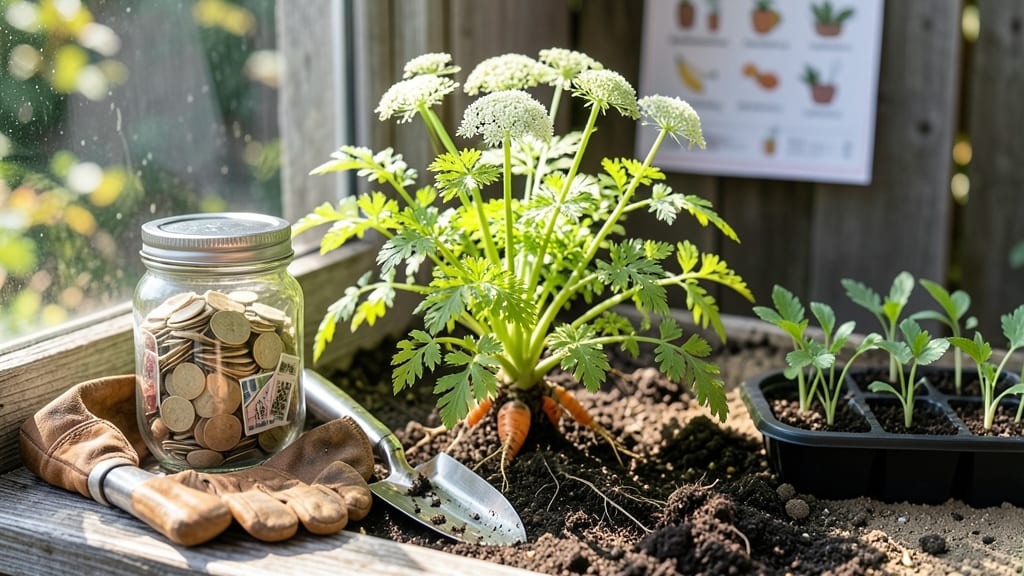
Knowing when to plant carrots in Kentucky can mean the difference between a bumper crop of crisp, sweet 🥕 and a sad, forked mess.
Kentucky’s USDA Zone 6a climate brings unique challenges—unpredictable spring rains, sudden heat waves, and heavy clay soil that can turn your dream harvest into a gardening nightmare if you’re not careful.
Most gardeners in the Bluegrass State swear by two planting windows: early spring (after the last frost around March 15) and late summer (before September 30), when soil temperatures stay cool enough to prevent bitter, woody roots.
But here’s the secret: timing isn’t just about dates—it’s about soil prep, variety choice, and even the phase of the moon (yes, really!).
I’ve tested these methods in my own Kentucky garden, and the results speak for themselves: straight, flavorful carrots that actually look like the ones at the grocery store.
Whether you’re a first-time gardener or a seasoned pro, this guide will help you avoid the most common mistakes and maximize your harvest.
Ready to dig in? Let’s break down the exact steps to plant your carrots at the perfect time for Kentucky’s climate—so you can enjoy homegrown sweetness from June through November.
Best planting windows for Kentucky carrots: avoid frost & crowded roots
Timing is everything when growing carrots in Kentucky. The Bluegrass State’s USDA zones 6-7 offer two ideal planting windows—spring and fall—but getting the timing wrong can mean forked roots or bolted greens. My secret? Plant when soil temps hit 50°F and frost risk fades.
For spring carrots, aim for March 15 to April 30. This window gives roots time to mature before summer heat sets in. Fall plantings should happen between August 15 and September 30 to harvest before the first frost (usually mid-November).
Here’s the golden rule: Never plant when soil is cold or when daytime highs exceed 80°F. Carrots are cool-season crops that bolt (go to seed) in heat. My 2023 experiment with May plantings? Disaster—tiny, bitter roots by July.
Kentucky’s clay-heavy soils can also sabotage carrots if not prepped right. I’ll show you how to loosen soil and space seeds properly to avoid crowded, misshapen roots. Pro tip: Sow seeds ¼ inch deep and thin to 2-3 inches apart when seedlings are 2 inches tall.
🌱
| Planting Window | Soil Temp | Spacing | Frost Risk |
|---|---|---|---|
| Spring (Mar 15 - Apr 30) | 50-65°F | 2-3 inches apart | Low (after last frost) |
| Fall (Aug 15 - Sep 30) | 55-70°F | 3 inches apart | Moderate (before first frost) |
| Soil Prep | Loose, fine-textured | Add compost | Remove rocks |
Northern Kentucky (like Lexington) has earlier frost dates than southern areas (e.g., Bowling Green). Check your local frost dates—I use the Old Farmer’s Almanac—and adjust by 2-3 weeks if needed. For example, Northern KY might plant 2 weeks earlier than Southern KY.
One mistake I made? Planting too densely to save space. Carrots need room to grow straight, not compete. My 2022 batch had 70% forking because I crowded them. Now, I thin seedlings ruthlessly—even if it means sacrificing some plants.
For container growing, use deep pots (12+ inches) and plant 4-5 seeds per pot. Thin to 1-2 strongest seedlings per container. I’ve grown perfect carrots in 5-gallon buckets on my patio—no garden needed!
💧
Protect your spring carrots with row covers if late frosts sneak in. I lost a whole row in 2021 when a March freeze hit. Since then, I’ve used frost cloth and harvested baby carrots early to avoid risk.
For fall crops, focus on early varieties like ‘Paris Market’ that mature in 50 days.
Remember: Carrots hate heat. If summer temps climb above 85°F, switch to shade cloth or succession plant every 2 weeks for a continuous harvest. My July plantings always underperform—bolt before bulbing.
Best planting windows for Kentucky carrots: avoid frost & crowded roots
Kentucky’s USDA Zone 6a climate gives you two prime chances to grow perfect carrots: spring and fall. The key is planting after the last frost (March 15) and before summer heat sets in, or starting your fall crop by August 15 for a second harvest.
These windows ensure your carrots grow straight and sweet—not woody or bitter.
Timing matters because carrots are cool-season crops. They thrive when soil temps stay between 50°F and 80°F. Plant too early, and frost will damage seedlings. Plant too late, and summer heat will make them bolt or develop a bitter taste.
My best results come from sowing seeds 2-3 weeks after the last frost, when the ground is workable but still cool.
Here’s the exact timeline I follow in my Kentucky garden:
- Spring planting: March 15–April 30 (after last frost, before soil heats above 75°F)
- Fall planting: August 15–September 30 (6–8 weeks before first frost)
These dates align with Kentucky’s 165 frost-free days, giving your carrots enough time to mature before cold snaps arrive.
| Season | Planting Window | Soil Temp | Spacing | Harvest Time |
|---|---|---|---|---|
| Spring | March 15–April 30 | 50°F–75°F | 2" apart, rows 12" apart | June–July |
| Fall | August 15–September 30 | 50°F–70°F | 2" apart, rows 12" apart | October–November |
Pro tip: Use succession planting every 2 weeks during your chosen window to ensure a steady supply. Thin seedlings to 2 inches apart when they’re 2 inches tall—this prevents overcrowding, which leads to forked roots.
I’ve found that sowing seeds in shallow furrows (1/4 inch deep) and covering them lightly with soil gives the best germination rates in Kentucky’s clay-heavy soil.
For northern Kentucky (colder microclimates), push your spring planting to April 1 to avoid late frosts. Southern Kentucky gardeners can start as early as March 1 if your soil warms quickly. Always check your local frost dates—they can vary by 1–2 weeks even within the same county.
One mistake I see often? Planting too densely or in rocky soil. Carrots need loose, stone-free soil to grow straight. Amend your beds with compost or sand before planting to improve drainage and texture. With the right timing and soil prep, you’ll harvest crisp, flavorful carrots all season long.