
Plants
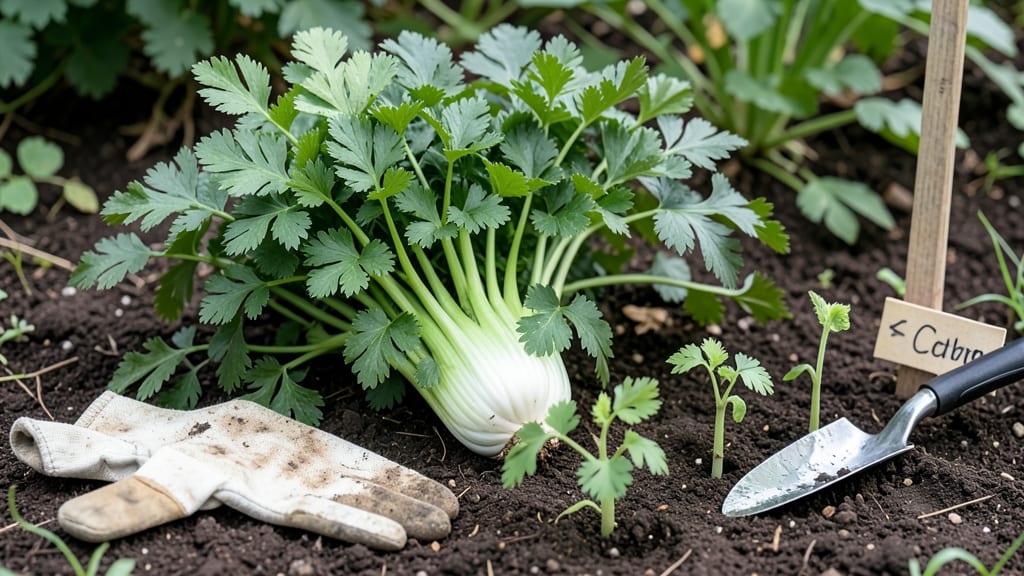
If you've ever tried when to plant celery in Louisiana and ended up with bitter, bolted stalks instead of crisp harvests, timing is the key to success.
The humid subtropical climate here means traditional planting windows won't work—you need a different approach to avoid heat stress and ensure your celery thrives.
Most gardeners assume spring is the only time to plant, but Louisiana's 8a-9b zones actually offer two prime windows: late winter through early spring, and again in late summer. This guide reveals the exact months to plant for maximum yield, plus which heat-tolerant varieties perform best in our sweltering summers.
We'll cover how to prepare your soil, when to start seeds indoors, and clever tricks to extend your growing season without triggering bolting. Whether you're a first-time gardener or a seasoned pro, these insights will help you grow crisp, flavorful celery that actually makes it to harvest time.
Ready to transform your garden from frustrating failures to bountiful harvests? Let's dive into the perfect planting schedule and variety selection that works for Louisiana's unique climate challenges.
Best months to plant celery in Louisiana: avoiding heat-induced bolting
Louisiana’s humid subtropical climate makes growing celery a challenge—high temperatures and long days trigger bolting (premature flowering), turning crisp stalks bitter and woody. But with the right timing, you can enjoy sweet, tender celery all season long. The key is planting during cooler months when soil stays below 75°F.
For most of Louisiana (USDA zones 8a-9b), the ideal planting window is February through early April for spring harvests. This gives plants time to mature before summer heat sets in. A second planting in late August can yield fall crops before frost arrives in November.
Coastal areas like New Orleans have slightly longer growing seasons, while inland regions near Shreveport may need to start seeds indoors earlier to beat the heat. Always check your last frost date (typically mid-March) to time transplants perfectly.
Here’s how Louisiana’s microclimates affect planting:
| Region | Best Planting Months | Soil Temp Threshold | Harvest Window |
|---|---|---|---|
| South Louisiana (8b-9a) | Feb 15 - Apr 15 | Below 75°F | May - June |
| North Louisiana (8a) | Feb 1 - Mar 31 | Below 70°F | May - June |
| Late Summer Planting (All Regions) | Aug 15 - Sep 1 | Below 80°F | Oct - Nov |
To avoid bolting, monitor soil temperatures—celery thrives when soil stays between 60°F and 75°F. Use a soil thermometer to check before planting. If temperatures rise above 80°F, your celery will bolt within 3-4 weeks, ruining your harvest.
For spring plantings, start seeds indoors 10-12 weeks before your last frost date. Transplant seedlings outdoors when they’re 4-6 inches tall and night temperatures stay above 50°F. Harden off seedlings for 7-10 days before moving them outside to prevent shock.
If you’re planting in late summer for fall harvests, focus on shade protection and consistent watering to delay bolting. Choose a north-facing garden bed or use 30-50% shade cloth during peak afternoon heat (12 PM - 4 PM).
One common mistake Louisiana gardeners make is planting celery too late in spring. By May, soil temperatures often exceed 80°F, causing celery to bolt before it reaches harvest size.
If you miss the ideal window, opt for heat-tolerant varieties like 'Tall Utah' or 'Golden Self-Blanching', which handle warmth better than standard types.
Always mulch heavily (2-3 inches of straw or wood chips) to keep soil cool and retain moisture. This is especially critical in Louisiana’s hot, dry summers, where mulch can reduce soil temperatures by 10-15°F and cut evaporation by up to 50%.
For a year-round supply, succession plant every 2-3 weeks during the ideal months. This ensures a steady harvest and reduces the risk of bolting from sudden heat spikes. With the right timing, you’ll enjoy crisp, sweet celery from spring through fall—no bitter surprises!
Best months to plant celery in Louisiana: avoiding heat-induced bolting
Louisiana’s humid subtropical climate throws a wrench into traditional celery planting schedules. Unlike cooler regions, we can’t rely solely on spring—heat and humidity push plants to bolt prematurely, turning your crisp stalks into bitter, flowery disappointment.
The key is planting during two strategic windows when temperatures stay mild enough for steady growth.
For most of Louisiana (USDA zones 8a-9b), your primary planting window runs from mid-February through early April. This aligns with soil warming after winter but before summer’s brutal heat.
Coastal areas like New Orleans can start 1-2 weeks earlier, while inland regions near Shreveport should wait until late March to avoid early heat stress.
🌱 Louisiana Celery Planting Timeline
| Planting Stage | Action | Ideal Soil Temp (°F) | Notes |
|---|---|---|---|
| Indoor Start | 10-12 weeks before last frost | 65-75°F | Use grow lights for 14 hours/day |
| Outdoor Transplant | After March 15 (coastal) or April 1 (inland) | 50-60°F | Hardening off required |
| Late Summer Window | August 15-September 15 | 70-75°F (max) | Use shade cloth for seedlings |
| Harvest Window | May-June & October-November | N/A | 120-150 days to maturity |
Don’t overlook Louisiana’s second planting window in late summer (August-September). This lets you harvest crisp celery in fall’s cooler months when bolting risks drop. The trick? Start seeds indoors in July or buy transplants from nurseries that specialize in heat-tolerant varieties.
Coastal areas can push this window slightly later due to their moderating ocean breezes.
Soil temperature is your #1 indicator for success. Celery roots best when soil stays between 50-65°F. Use a soil thermometer to monitor—if temps creep above 75°F, your plants will bolt within weeks. Inland gardeners should test soil temps daily during transition months to catch heat spikes early.
Microclimates matter! Coastal Louisiana (like Lafayette or Houma) enjoys 2-3°F cooler nights than inland areas, giving you 10-14 extra days of planting flexibility. If you’re in zone 9b near Lake Charles, you can even attempt a fall transplant in October for a winter harvest, though growth will slow dramatically.
Pro tip: Mulch heavily with 2-3 inches of straw after planting to regulate soil temps. This simple step can buy you 2-3 weeks of cooler conditions during critical growth phases. Pair it with drip irrigation to keep roots consistently moist—celery hates drying out, and stressed plants bolt faster.
Remember: Bolting isn’t just about heat—it’s also triggered by long daylight hours (Louisiana’s 14+ hour summer days accelerate flowering). That’s why shade cloth (30-50%) becomes your best friend during late spring/early summer plantings. Even a 10% reduction in sunlight can delay bolting by 3-4 weeks.