
Plants
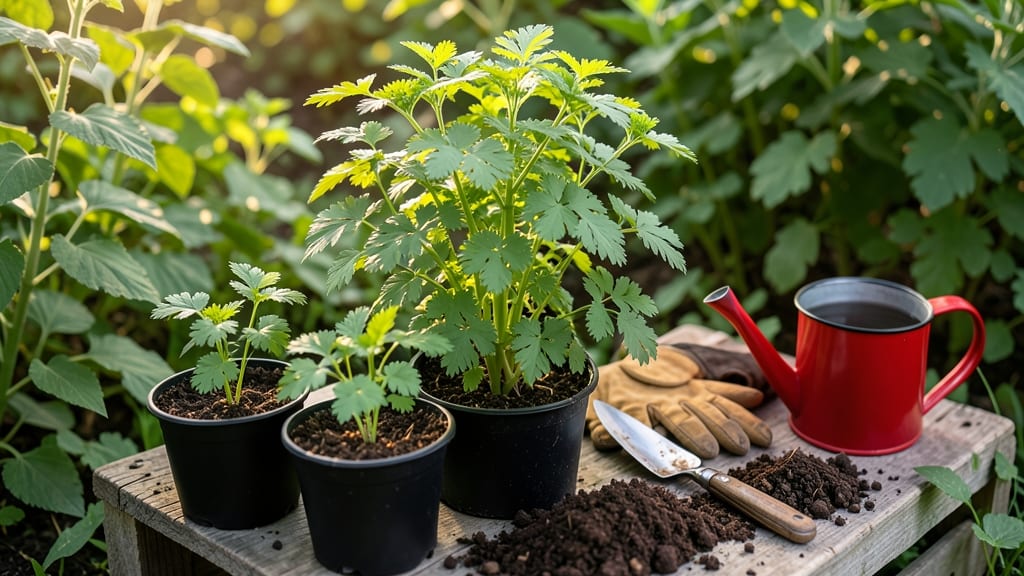
Planting cilantro in Georgia at the wrong time can turn your fresh herb dreams into a bolting disaster—especially when summer heat arrives. If you’ve ever watched your cilantro flower too soon or wilt under Georgia’s 7b-8b climate, you’re not alone. The key to lush, flavorful 🌿 cilantro lies in timing your plantings around the state’s frost dates and heat waves.
Georgia’s mild winters and long summers create two perfect windows for cilantro: late winter through early spring and late summer into fall. These timing tricks help cilantro avoid bolting before harvest, giving you April-May and October-November harvests that last.
But skip the summer months, and you’ll end up with bitter, flowering plants instead of fresh herbs.
In this guide, I’ll break down the exact planting schedule for Georgia’s zones, including how to adjust for microclimates and extend your growing season. You’ll learn when to sow seeds, how to protect your plants from heat stress, and the simple soil prep that keeps cilantro thriving.
Let’s get your garden growing the right way.
Ready to enjoy homegrown cilantro all season long? The secret starts with planting at the perfect moment—no more guesswork, just flavorful harvests. Let’s dive in.
Best planting windows for cilantro in Georgia’s climate zones
Georgia’s USDA hardiness zones 7b-8b create unique challenges for growing cilantro. The key to success lies in planting during cooler months when temperatures stay below 80°F. Outside these windows, your cilantro will bolt—turning bitter and flowering before you can harvest.
Let’s break down the optimal planting times and how to adapt for your specific zone.
For most of Georgia, the best planting windows are late winter to early spring (February–March) and late summer to early fall (August–September). These periods align with cooler temperatures and longer daylight, which cilantro thrives in.
In Zone 7b, you can even squeeze in a winter crop under row covers if you’re ambitious.
Here’s the comparison table for planting cilantro in Georgia’s climate zones, including ideal months, temperature thresholds, and harvest windows:
| Planting Window | USDA Zone | Ideal Months | Temperature Range (°F) | Harvest Window | Notes |
|---|---|---|---|---|---|
| Spring Planting | 7b-8b | February–March | 50–75°F | April–May | Plant after last frost (avg. March 15), use shade cloth if temps rise above 75°F. |
| Fall Planting | 7b-8b | August–September | 60–78°F | October–November | Start seeds 8–10 weeks before first frost (avg. November 15), avoid planting after September 15. |
| Winter Planting (Zone 7b) | 7b | December–January | 40–60°F | February–March | Use row covers or cold frames to protect from freezing temps; harvest before spring heat arrives. |
If you’re in Zone 8b, focus on fall planting—spring can get too hot too quickly. For Zone 7b, you have more flexibility, including a winter crop with protection.
The key is to avoid planting cilantro when daytime temps exceed 80°F, as this triggers bolting within 2–3 weeks.
For succession planting, sow new seeds every 2–3 weeks during your chosen window. This ensures a continuous harvest and reduces the risk of bolting. For example, in spring, plant a batch in early February, then again in mid-March and late March to stagger maturity.
One pro tip: Use heat-tolerant cilantro varieties like ‘Santo’ or ‘Calypso’ if you’re pushing the limits of your planting window. These varieties can handle slightly warmer temps (up to 85°F) before bolting, giving you a 10–14 day extension in your harvest window.
Finally, always test your soil before planting. Cilantro prefers well-draining soil with a pH of 6.2–6.8. Amend heavy clay soils with compost or sand to improve drainage and prevent root rot, which can stress plants and make them more prone to bolting.
By following these zone-specific guidelines, you’ll avoid the common pitfall of summer cilantro and enjoy fresh, flavorful leaves all season long. 🌿
Best planting windows for cilantro in Georgia’s climate zones
Georgia’s USDA zones 7b-8b create two ideal windows for cilantro: late winter through early spring and late summer into fall. These periods avoid the extreme heat that triggers bolting, ensuring you get flavorful leaves instead of bitter flowers.
The key is planting when daytime temperatures stay below 75°F—cilantro’s bolting threshold.
For spring plantings, start seeds indoors in late January or direct-sow outdoors in February after the last frost (typically mid-March). This gives you harvests by April-May before summer heat sets in. In fall, aim for August-September sowings to harvest before the first frost (mid-November).
Here’s how these windows break down by Georgia’s microclimates:
| Season | Planting Window | Key Conditions | Harvest Time |
|---|---|---|---|
| Spring | Late January (indoors) or February-March (outdoors) | Soil temp: 50-60°F; Daytime highs: <75°F | April-May |
| Fall | August-September | Soil temp: 60-70°F; Daytime highs: <80°F | October-November |
| Summer (Avoid) | June-July | Daytime highs: >85°F; Bolting risk: 90% | Bitter, inedible leaves |
| Winter (Microclimate) | December (sheltered areas only) | Soil temp: 40-50°F; Frost-free spots | Limited growth; harvest slowly |
In North Georgia (7a), wait until March 1st for outdoor sowing to avoid late frosts, while South Georgia (8b) can start in early February. For container growing, extend spring plantings until mid-April by using shade cloth to protect seedlings from sudden heat spikes.
Pro tip: Use a soil thermometer to confirm soil temps are ideal—cilantro roots struggle in soil below 50°F or above 75°F. This simple tool prevents wasted seeds and ensures strong starts.
Remember, cilantro’s 45-day harvest window means timing is everything. Plant too early in spring, and you’ll face frost; too late, and summer heat will ruin your crop. Stick to these windows, and you’ll enjoy fresh cilantro straight from your Georgia garden all season long. 🌱