
Trees
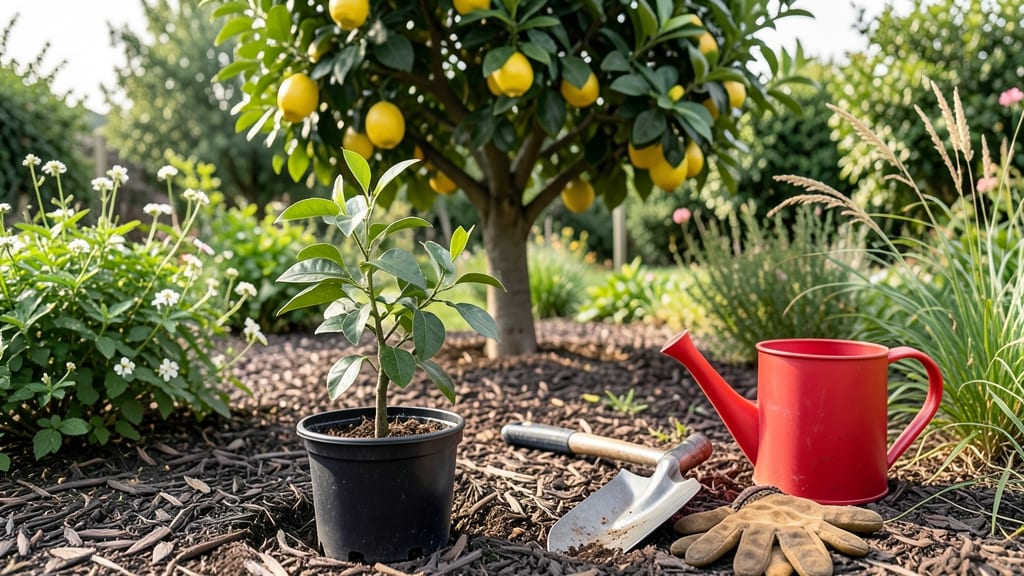
Planting a Citrus Tree 🍊 in Arizona might seem tricky with its extreme heat, but getting the timing right turns it into a rewarding challenge. The key? Planting during the coolest months—November through February—when temperatures are mild and the risk of transplant shock is lowest.
Why does this matter? Arizona’s Zone 9b climate means no frost, but summer heat can stress young citrus trees. By planting in winter, you give roots time to establish before the scorching 100°F+ days arrive, setting your tree up for long-term success.
In this guide, I’ll break down the exact months to plant, the best heat-resistant varieties for Arizona, and pro tips to keep your Citrus Tree 🍊 thriving—whether you’re planting in the ground or containers. Let’s get those roots growing the right way!
You’ll also discover how to prep your soil, water smartly, and avoid common mistakes that kill citrus trees in Arizona’s dry heat. Ready to grow your own homegrown oranges and lemons? Let’s dive in.
Best months to plant citrus trees in Arizona’s climate zones
Arizona’s diverse microclimates mean your citrus tree’s success hinges on planting at the right time. The Low Desert (Phoenix, Tucson) and High Desert (Flagstaff, Prescott) have vastly different temperature thresholds, so I’ll break down the ideal windows for each—plus how to avoid transplant shock in extreme heat or cold snaps.
In Zone 9b, where most of Arizona falls, citrus thrives year-round, but the coolest months (November–February) offer the safest window. This aligns with the tree’s natural dormancy period, reducing stress.
For coastal areas like Yuma, you can even plant as late as early March, thanks to milder winters.
Here’s the golden rule: Never plant in summer (June–August), when temperatures exceed 100°F. Even heat-resistant varieties like Carrizo citrange struggle with transplant shock during peak heat. The 45–65°F range in winter is perfect for root establishment.
Arizona’s High Desert (Zones 7b–8a) adds complexity. While Satsuma mandarins tolerate 20°F dips, young trees planted in December–January give roots time to anchor before spring warmth triggers growth. Meyer lemons, however, need 30°F+ protection—so delay planting until late January if frost is forecasted.
Container planting extends your window slightly. Potted citrus can go in March if you harden off seedlings gradually. Just ensure pots have drainage holes and use lightweight soil mixes to prevent root rot in the desert’s intense sun.
Pro tip: Soil temperature matters more than air temperature. Use a soil thermometer—ideal planting soil stays above 60°F. In Tucson’s Low Desert, this typically means waiting until mid-November.
🌱 Arizona Citrus Planting Guide by Climate Zone
| Zone | Best Planting Window | Key Considerations | Heat-Resistant Varieties |
|---|---|---|---|
| Low Desert (9a–9b) | November–February | Soil temps >60°F; avoid summer heat | Meyer lemon, Carrizo citrange |
| High Desert (7b–8a) | December–January | Protect from <20°F; use windbreaks | Satsuma mandarin, ‘Improved Meyer’ |
| Coastal (Yuma) | October–March | Milder winters; extend to early spring | Kumquat, ‘Lisbon’ lemon |
| Containers | March–April | Gradual hardening; 5+ gallon pots | Dwarf varieties only |
⚠️ Note: Always check microclimate specifics—urban areas may have 5–10°F warmer soils than rural zones.
If you’re in Phoenix or Tucson, aim for late November to mid-February. This window balances cooler temps with increasing daylight, giving roots time to establish before the 110°F+ summers hit. For Flagstaff gardeners, delay until January to avoid sudden cold snaps.
Frost risk is minimal in Zone 9b, but unpredictable cold fronts can still drop temps to 28°F. Protect young trees with frost cloth or move containers to sheltered spots. Mature citrus (3+ years) handle brief dips better, but newly planted trees are vulnerable.
One mistake I see often? Planting in early spring (March–April) when soil is still cool but air heats up quickly. This causes root suffocation from poor oxygen exchange. Stick to the winter window, and your citrus will reward you with year-round harvests.
For container growers, the rules relax slightly. Since pots warm faster, you can plant as late as April—but acclimate seedlings first by moving them outdoors for 2–3 hours daily starting in March. This hardens off tender roots and prevents sunburn shock.
Best months to plant citrus trees in Arizona’s climate zones
Arizona’s Zone 9b climate offers year-round growing potential, but citrus trees thrive best when planted during the coolest months. For most of the state, November through February is the sweet spot—avoiding both the brutal summer heat and the rare cold snaps that can sneak in during winter.
However, Arizona’s microclimates (Low Desert vs. High Desert) create slight variations in ideal planting times.
In the Low Desert (Phoenix, Tucson, Yuma), where temperatures rarely dip below 40°F, you can plant as late as early March. But in the High Desert (Flagstaff, Prescott), where nights can drop to 20°F, stick to October through December to protect young roots.
The goal? Plant when soil temps are 60-75°F—perfect for root establishment.
🌱 Arizona Citrus Planting Guide by Climate Zone
| Zone | Best Planting Window | Soil Temp Goal | Key Consideration |
|---|---|---|---|
| Low Desert (Phoenix, Tucson) | November – Early March | 60–75°F | Avoid summer heat; minimal frost risk |
| High Desert (Flagstaff, Prescott) | October – December | 55–65°F | Protect from cold snaps; shorter growing season |
| Coastal (Yuma, Tucson foothills) | November – February | 65–70°F | Higher humidity; watch for fungal risks |
💡 Pro Tip: Test soil moisture before planting—dry soil in winter can stress young trees.
Timing isn’t just about months—it’s also about moon phases. Planting during the waxing moon (when the moon is growing) is said to encourage root growth. For Arizona, this often aligns with late November to early January, giving roots a head start before spring’s intense sun.
If you’re planting container-grown citrus trees, you have more flexibility. Containers warm up faster, so you can extend planting into late February or early March—just move them to shade during the hottest afternoons until they’re established.
For bare-root trees, plant them as soon as they arrive, then water deeply to settle the soil around roots.
Avoid planting in summer or early fall. The 100°F+ heat can cause transplant shock, and young trees may struggle to establish before the next heatwave hits.
Even Meyer lemons and Satsuma mandarins, which are heat-tolerant, need time to acclimate. Give them a 30-day buffer before summer’s peak to ensure survival.
Once planted, mulch around the base with 2–3 inches of organic mulch (like wood chips or straw) to retain moisture and regulate soil temperature. This is especially critical in Arizona’s dry climate, where evaporation rates are high.
Pair this with deep watering 2–3 times per week for the first month to encourage root spread.