
Trees
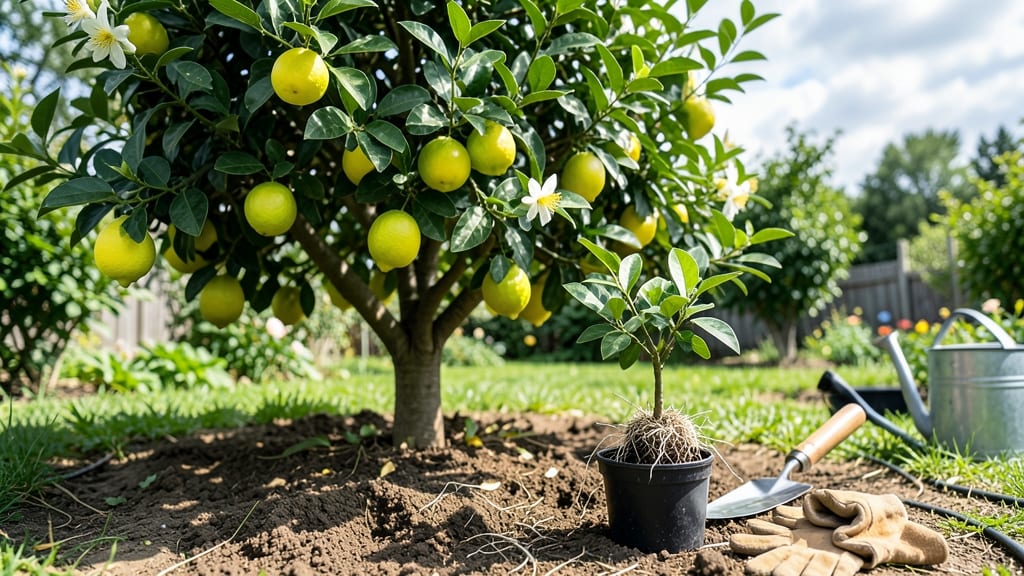
Planting citrus trees in Phoenix might seem tricky with its extreme heat, but timing is the secret weapon for thriving 🍊 groves. The best window—November through March—lets roots establish before summer’s scorching temperatures kick in.
Skip spring or fall, and you risk shock or stunted growth from sudden heat spikes.
Phoenix’s 9b climate means no frost worries, but young citrus trees still need gentle acclimation. Planting during cooler months gives them time to strengthen before the desert sun peaks. Whether you’re digging in-ground or choosing containers, this timing makes all the difference.
I’ll walk you through exactly when to plant, how to prep soil for Phoenix’s unique conditions, and pro tips for container vs. in-ground setups. Avoid common mistakes that derail even the hardiest varieties—and set your tree up for years of juicy harvests.
Ready to grow your own citrus? Let’s break down the perfect schedule so your tree thrives from day one.
Best months to plant citrus trees in Phoenix for optimal survival
Phoenix’s frost-free winters and intense summer heat make timing critical for citrus tree success. Unlike many plants, citrus thrives when soil temperatures stay consistently warm—but not too hot. The ideal planting window spans from late fall to early spring, when temperatures are mild and rainfall increases slightly.
Planting outside this window risks heat stress or transplant shock from extreme conditions.
Citrus trees are tropical natives that despise sudden temperature swings. Phoenix’s 110°F+ summers can scorch young roots, while cooler winter nights (below 40°F) can damage tender leaves. The sweet spot is when daytime highs hover between 60°F and 80°F, allowing roots to establish without stress.
This typically aligns with November through March, with December and January being peak months.
Why avoid summer planting? Newly planted citrus trees in June or July face root burn from scorching soil and evaporative stress from relentless sun. Even mature trees struggle, but young trees with shallow root systems suffer the most. Fall planting gives roots 3-4 months to establish before summer heat returns, while spring planting (March-April) risks early heatwaves that stunt growth.
Phoenix’s microclimates add another layer of complexity. Urban areas with concrete and pavement can trap heat, making soil 10-15°F warmer than rural zones. If you’re planting in a heat island, aim for early fall (October-November) to avoid late-season heat spikes.
Conversely, higher elevation areas (like North Phoenix) may experience cooler nights, extending the safe planting window into early April.
Soil temperature is your best indicator—use a soil thermometer to confirm 60°F+ readings before planting. Citrus roots need warmth to initiate growth, but above 90°F can inhibit root development. In Phoenix, this usually means waiting until after Thanksgiving for in-ground planting or late February for container-grown trees, which adapt slightly faster to temperature changes.
🌱 Phoenix Citrus Planting Timeline
| Season | Ideal Planting Window | Soil Temp Requirement | Risk Level |
|---|---|---|---|
| Fall | Late October – December | 60°F–75°F | Low (Best time) |
| Winter | January – February | 55°F–70°F | Low-Medium |
| Early Spring | March – Early April | 65°F–80°F | Medium (Heat risk increases) |
| Late Spring/Summer | May – September | Above 85°F | High (Avoid) |
💡 Pro Tip: Container-grown citrus can be planted 1-2 weeks earlier than bare-root trees, as their roots adapt faster to temperature changes.
If you miss the ideal window, don’t despair—container planting offers flexibility. Young citrus trees in 5-gallon pots can be moved to shaded areas during summer and gradually acclimated to full sun.
However, in-ground planting outside fall/winter is high-risk; even drip irrigation can’t compensate for heat stress on newly planted roots.
Watch for Phoenix’s monsoon season (July-September), which brings sudden downpours and flash floods.
Planting before monsoon season means less risk of waterlogging, while planting after risks soil erosion and root exposure. November planting strikes a balance—soil is warm, rainfall increases, and humidity levels are ideal for root establishment.
For container citrus, timing is less critical but still matters. You can plant year-round in pots, but avoid extreme heat (June-August) and freeze risks (rare in Phoenix, but possible in unusually cold snaps).
If you’re growing dwarf varieties like Meyer lemons, late winter (February) is ideal—roots establish before spring heat ramps up.
Remember: Citrus trees are
Best months to plant citrus trees in Phoenix for optimal survival
Phoenix’s 9b climate is perfect for citrus, but planting timing makes all the difference. The ideal window is November through March, when cooler temperatures and shorter days reduce transplant shock. This gives roots time to establish before summer’s brutal heat arrives.
Think of it like a marathon—not a sprint. Young citrus trees need 6-8 weeks to adapt to Phoenix’s soil and sun. Planting in late spring or summer (April-July) risks heat stress, while October is borderline—only attempt it if your tree is already potted and hardened off.
For in-ground planting, aim for November or December. The soil stays warm enough for root growth but cool enough to prevent water stress. Container planting offers more flexibility—you can plant as late as early March if you’ve been protecting the root ball from extreme temps.
| Month | Soil Temp (°F) | Risk Level | Best For |
|---|---|---|---|
| November | 65-75°F | Low | In-ground planting |
| December | 55-65°F | Low | Container planting |
| January | 50-60°F | Low | Bare-root trees |
| February | 60-70°F | Moderate | Transplanting |
| March | 70-80°F | Moderate | Container moves |
Phoenix’s urban vs. rural microclimates also play a role. In-ground trees in rural areas (like Laveen or Gila Bend) can handle slightly later planting due to cooler night temps. But urban heat islands (like downtown or Tempe) demand earlier planting—aim for October-November to avoid pavement radiant heat.
Pro tip: If you must plant in April, choose a shaded spot and mulch heavily to protect roots. But remember—citrus trees planted in summer rarely survive Phoenix’s first real heatwave. The window is tight, but worth it for years of homegrown fruit.
Next, we’ll dive into which citrus varieties handle Phoenix’s heat best—and when to plant each for maximum success. 🌱