
Plants
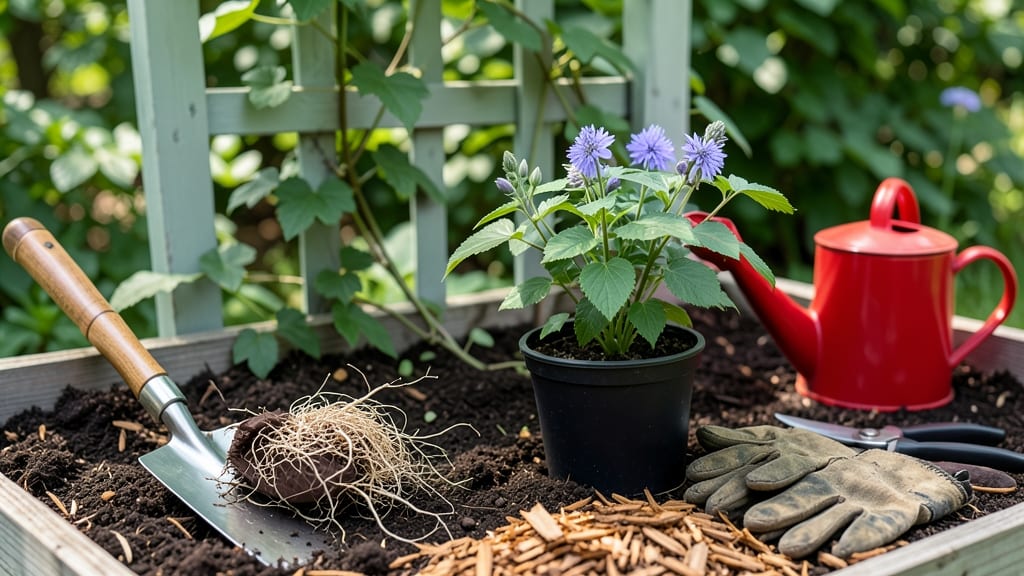
Timing your clematis planting in Michigan’s 5b-6b zones can make or break those dreamy 🌸 summer blooms—and getting it wrong means struggling vines or worse. The Great Lakes climate throws curveballs with unpredictable frost dates, so knowing whether to dig in April or wait for September is everything.
Here’s the deal: Plant too early, and late frosts will nip your young roots. Wait too long, and your clematis might not establish before winter’s chill sets in.
Michigan gardeners swear by two windows—early spring (April) or early fall (September-October)—but the right choice depends on your microclimate and soil temps.
I’ll break down the zone-specific deadlines, soil prep secrets, and even how container planting can buy you extra time. Whether you’re a first-timer or a seasoned grower, these tips will help your clematis thrive despite Michigan’s mood swings.
Ready to turn your yard into a 🌸 vertical garden oasis? Let’s get those vines in the ground at the perfect moment—no guesswork, just stunning results.
Michigan’s best planting months for clematis by hardiness zones
Michigan’s USDA hardiness zones 5b-6b create unique challenges for clematis planting, where late spring frosts and early fall chills can derail even the most careful gardener.
The right timing ensures your vines establish strong roots before winter’s harsh freeze—aim for early spring or early fall when soil temperatures hover between 50-60°F.
Most Michigan gardeners swear by fall planting (September-October) because it gives roots time to settle before winter dormancy. However, spring planting (April-May) works too if you’re prepared for potential frost surprises. Let’s break down the best windows for each zone and how to avoid common pitfalls.
| Zone & Region | Spring Planting Window | Fall Planting Window | Soil Temp Threshold | Key Risk |
|---|---|---|---|---|
| 5b (Northern MI) | April 20-May 10 | September 1-15 | 50-55°F | Late frosts (last frost often May 15) |
| 6a (Central MI) | April 10-May 5 | September 15-October 1 | 55-60°F | Early fall freezes (first frost ~Oct 10) |
| 6b (Southern MI) | April 1-May 1 | September 20-October 10 | 55-60°F | Humidity & fungal risk (fall rains common) |
Notice how Northern Michigan (Zone 5b) has the tightest spring window—delaying past May 10 risks root shock from late frosts. Meanwhile, Southern Michigan (Zone 6b) can push fall planting later, but avoid planting after October 10 when soil temps drop below 50°F.
For container-grown clematis, you have slightly more flexibility—plant anytime soil is workable, but avoid extreme heat or cold. Containers warm up faster in spring, so aim for late April to early May to prevent root stress from temperature swings.
Pro tip: Use a soil thermometer to confirm temps before planting. Clematis roots need consistent warmth to establish—cold soil (<45°F) can stunt growth for months. In Michigan’s Great Lakes regions, wait until lake-effect snow melts completely before planting.
If you’re in Zone 6b (Southern MI), don’t rush fall planting—wait until after Labor Day when daytime highs stay above 70°F. This gives vines time to root before winter dormancy begins. For Zone 5b gardeners, prioritize fall planting over spring to avoid frost damage.
One mistake I see often? Planting clematis too deep. The crown should sit 2-4 inches below soil—any deeper risks rot, while too shallow exposes roots to freeze-thaw cycles. Use mulch (3-4 inches) after planting to insulate roots in both spring and fall.
For early bloomers (Group 1-2 clematis), spring planting is critical—they need 6-8 weeks of warm soil before flowering. Late bloomers (Group 3) are more forgiving and thrive with fall planting. Always check your variety’s group before choosing a timeline!
Michigan’s best planting months for clematis by hardiness zones
Michigan’s 5b-6b hardiness zones create a tight window for planting clematis, where timing can make or break root establishment. In Zone 5b (northern Michigan), aim for early May or late September—after the last frost but before soil temps dip below 50°F.
Meanwhile, Zone 6b (southern Michigan) gardeners have a slightly longer window: April 15-May 15 or September 1-October 15.
Spring planting in Michigan is risky due to late frosts—especially in Zone 5b, where temps can drop below freezing into early May. Fall planting, however, often outperforms spring because cooler soil temps reduce stress on roots.
The key is planting 6-8 weeks before your first frost, giving vines time to establish before winter.
Here’s how to match your microclimate to the best planting window:
| Zone | Spring Planting Window | Fall Planting Window | Soil Temp Threshold | Frost Risk |
|---|---|---|---|---|
| 5b | May 1-15 | September 15-October 1 | 50°F+ | High (late frosts) |
| 6b | April 15-May 15 | September 1-October 15 | 55°F+ | Moderate |
For Zone 5b gardeners, fall planting is the safest bet—plant by October 1 to avoid winter stress. In Zone 6b, you can push it slightly later, but avoid planting after October 15, as roots need time to harden off before frost.
Pro tip: Use a soil thermometer to confirm temps are above 50°F before planting.
If you’re in a Great Lakes-influenced area (like near Lake Michigan), expect cooler temps and later frosts. Plant 2 weeks later than inland zones to account for these delays. Container-grown clematis can also give you a 2-week advantage—they establish faster than bare-root plants.
Remember: Clematis roots hate soggy soil, so avoid planting in low-lying areas where spring meltwater pools. Amend your soil with compost or peat moss to improve drainage, especially in clay-heavy Michigan soils. This small step can prevent root rot and give your vines a strong start.
Once you’ve nailed the timing, focus on planting depth—bury the crown 2-4 inches below soil to protect it from temperature swings. Pair this with a trellis or arbor for support, and you’re set for 🌸 showstopping blooms next summer.