
Plants
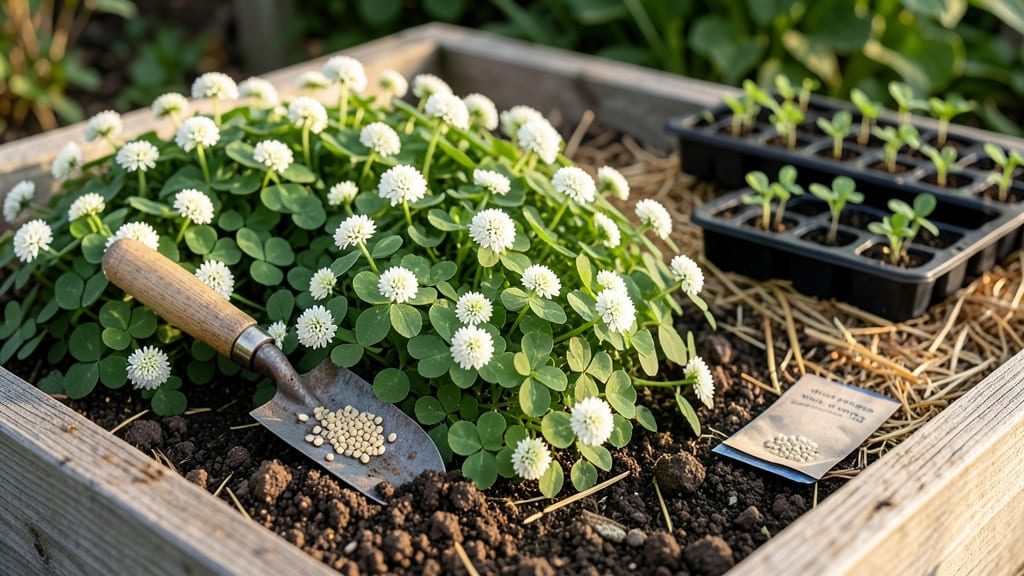
Timing your fall clover planting right could mean the difference between a vibrant, resilient lawn next spring or a patchy, struggling cover crop.
The key isn’t just throwing seeds in the ground—it’s understanding how your USDA zone, soil temps, and frost dates work together to give clover the best possible start.
For most gardeners in Zone 6a (like me!), the ideal window is late summer to early fall, about 4-6 weeks before the first frost. This gives those little 🌱 seeds enough time to germinate and establish roots before winter sets in.
But if you’re in a warmer zone, like 8 or 9, you’ve got a little more flexibility—just don’t wait too late, or you’ll risk weak growth.
Why does this matter? Because clover isn’t just pretty—it’s a powerhouse for soil health, crowding out weeds, and even attracting pollinators. But get the timing wrong, and you’ll end up with sparse patches or seeds that sprout too late to survive the cold.
I’ll break down exactly what to watch for, from soil moisture to air temps, so you can plant with confidence.
Ready to set your clover up for success? Let’s dive into the zone-specific dates, soil prep tricks, and common mistakes to avoid—so you can enjoy that lush, green carpet next spring without the guesswork.
Fall planting windows by USDA zone: exact dates for clover success
Timing your fall clover planting depends entirely on your USDA hardiness zone—and getting it wrong can leave your seeds struggling to establish before winter.
In cool climates (zones 3-6), you’ll want to plant 6-8 weeks before the first frost, while warmer zones (7-11) can extend the window until early November. The key is ensuring soil temperatures stay above 50°F (10°C) for at least 4-6 weeks post-planting to encourage root growth.
For example, in Zone 4, where I garden, I aim to sow clover seeds by mid-September—just as daytime temps start dipping but before the ground freezes. In Zone 9, however, you might still have time to plant well into November, thanks to milder winters.
Always check your local frost date averages (like the National Weather Service) to fine-tune your schedule.
Here’s the golden rule: Plant 4-6 weeks before your first expected frost, but no later than 60 days before winter dormancy. This gives clover enough time to germinate, develop roots, and store energy for spring—without being smothered by snow or frozen soil.
Soil temperature is just as critical as air temperature. Clover seeds need soil temps between 50°F and 75°F (10°C–24°C) to sprout. Use a soil thermometer to check—if it’s below 50°F, wait a few weeks. In northern zones (3-5), this might mean planting as early as late August, while southern zones (8-11) can delay until October.
Regional microclimates also play a role. In the Pacific Northwest, for instance, cooler, wetter falls mean planting earlier (by late August) to avoid waterlogged soil. Meanwhile, in the Deep South, where humidity lingers, September is ideal to avoid fungal risks from prolonged dampness.
Don’t overlook daylight hours, either. Clover thrives with 12-14 hours of daylight, which declines in fall. Planting too late (e.g., after mid-October in Zone 6) can stunt growth before winter sets in. Balance soil warmth, daylight, and frost risk to hit the sweet spot.
Now, let’s break down the exact planting windows by zone, so you can mark your calendar with confidence:
Pro tip: If you’re in a transition zone (e.g., Zone 6b/7a), err on the earlier side—say, late September—to account for unpredictable cold snaps. And if your fall is unusually wet (like in the Pacific Northwest), raise your seedbeds slightly to prevent rot before germination.
After planting, mulch lightly with straw (not thick layers) to insulate seeds from temperature swings. In drought-prone areas, like parts of California or Texas, water deeply every 5-7 days until clover reaches 2 inches tall, then taper off as winter approaches.
This mimics natural rainfall patterns and encourages deep root growth.
Finally, avoid the biggest mistake: planting clover too late and expecting springtime miracles. Seeds sown in November or December rarely establish before winter dormancy kicks in.
Instead, think of fall planting as a head start—your clover will reward you with earlier spring greening and better soil nitrogen fixation all season.
Ready to plant? Grab your soil thermometer, check your zone, and mark that calendar—your future lush, low-maintenance lawn starts now. 🌱
Fall planting windows by USDA zone: exact dates for clover success
Timing your clover planting in fall depends on your USDA zone—but the golden rule is always 4-6 weeks before first frost. This window lets seeds germinate and establish roots before winter dormancy.
In Zone 3-5, aim for late August to mid-September, while Zones 6-8 can wait until mid-September to early October. Southern zones (9-11) have flexibility until late October, but avoid planting too close to frost.
Soil temperature is your best guide. Clover seeds need 50-60°F soil to germinate—use a soil thermometer to confirm. In cooler zones, wait until daytime temps stay above 60°F for at least 3-4 weeks.
Warmer climates can plant earlier, but avoid soggy soil—excess moisture rots seeds before germination. A light rain after planting is ideal, but don’t rely on heavy downpours.
| USDA Zone | Planting Window | Soil Temp Goal | Key Adjustment |
|---|---|---|---|
| 3-4 | Late August – Mid-Sept | 50-55°F | Use row covers if frost threatens |
| 5-6 | Mid-Sept – Early Oct | 55-60°F | Test soil moisture weekly |
| 7-8 | Early Oct – Mid-Oct | 60-65°F | Mulch lightly to retain warmth |
| 9-11 | Late Oct – Early Nov | 65-70°F | Water deeply post-planting |
Regional quirks matter! In the Pacific Northwest, plant 2 weeks earlier than Zone 7 guidelines—cooler ocean air delays soil warming. The Deep South (Zones 9-11) can push planting to early November, but avoid hurricane season (June-Nov) for overseeding.
If you’re in a drought-prone area, prioritize rainy fall weeks or use drip irrigation to keep seeds moist until germination.
Don’t stress if your zone isn’t listed—check your local frost dates (use the National Weather Service or Old Farmer’s Almanac) and count backward 4-6 weeks. For example, if frost hits November 1, plant by September 15.
Pro tip: Mark your calendar with the first frost date from last year and adjust by 1 week for safety.
After planting, lightly rake soil to ensure seed-to-soil contact, then apply ¼-inch of compost or straw mulch to protect seeds. Water gently 2x daily until germination (usually 7-14 days). Once sprouts appear, reduce watering to deep soaks every 5-7 days. This routine builds drought resistance before winter.
Remember: Fall-planted clover won’t bloom until spring, but its roots will establish deep, outcompeting weeds and improving soil for next year’s growth. Patience pays off—your spring lawn will thank you! 🌱